WEEE basic understanding AMP Manuals

One of AMP’s core objectives is the compilation and design of a “waste” electronic and electrical equipment (WEEE) manual. The main purpose of this is the provision of vital information for the AMP maker collective comprising of STEAM students/graduates (Science, Technology, Engineering, Art and Mathematics) and Agbogbloshie e-waste workers.

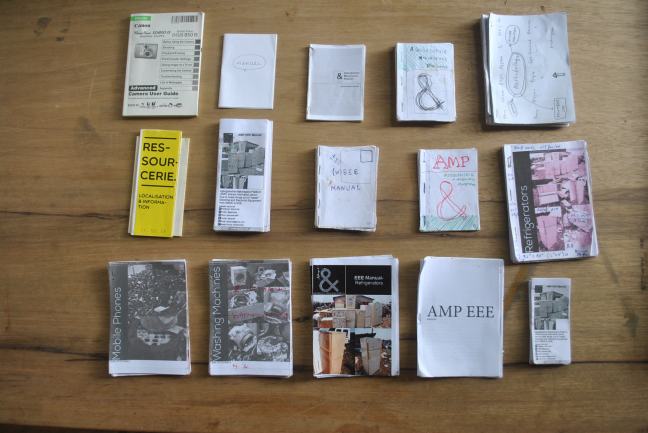
For several months, we worked on the print version of the manual–a series of individual manuals for each electrical and electrical equipment studied–which has undergone several design iterations (see image below). We collected data from a number of articles and our own fieldwork (to learn the value in Ghana Cedis of each item brought to and dismantled in Agbogbloshie). We designed a manual for each piece of equipment studied so it fits a single folded sheet of paper. This makes it simpler and more user friendly. In the coming days, these manuals as they are so far, will be hosted online so makers and people knowledgeable about electrical and electronic equipment could contribute to them.

The manual is organized so as to give information on material composition, parts and components, hazardous materials, urban mining opportunities, tools for dis-assembly, steps for dis-assembly, safety gear, and opportunities and ideas for remaking.
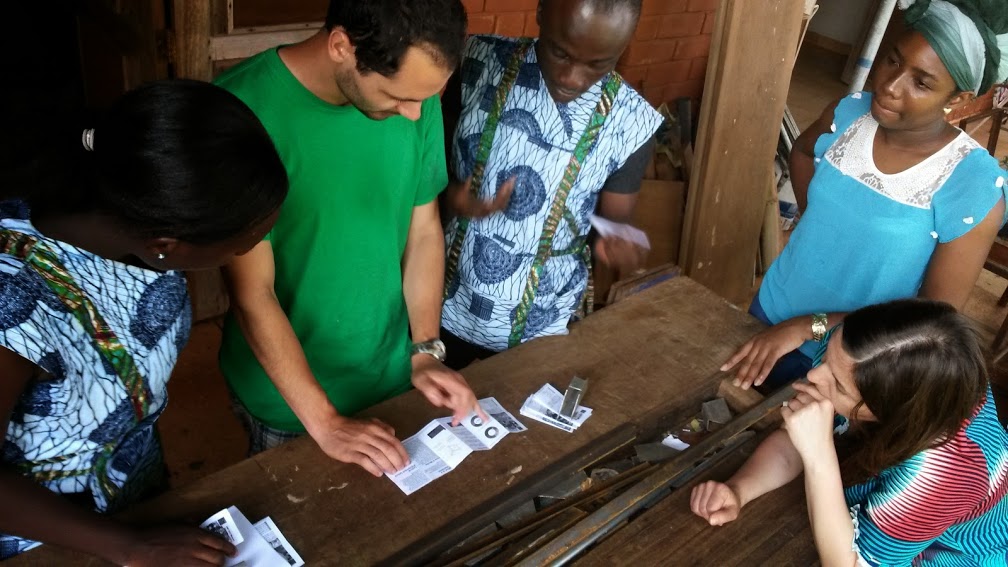
Svet Lightyear visitPicture of the AMP Team showing the manual to Svet from the Lightyear Foundation.

This task is a staggering one because it should cater to the needs of people pertaining to different social categories, each with different understanding and knowledge. On the one hand are the STEAM professionals, educated and used to reading guides and who may even love manuals and on the other hand, the e-waste workers, predominantly uneducated and having a general disinclination towards anything remotely related to guidebooks or for that matter, books. This means they would both relate differently to a typical guidebook. Although this may sound stereotypical, it is a truth with which the AMP team is confronted.
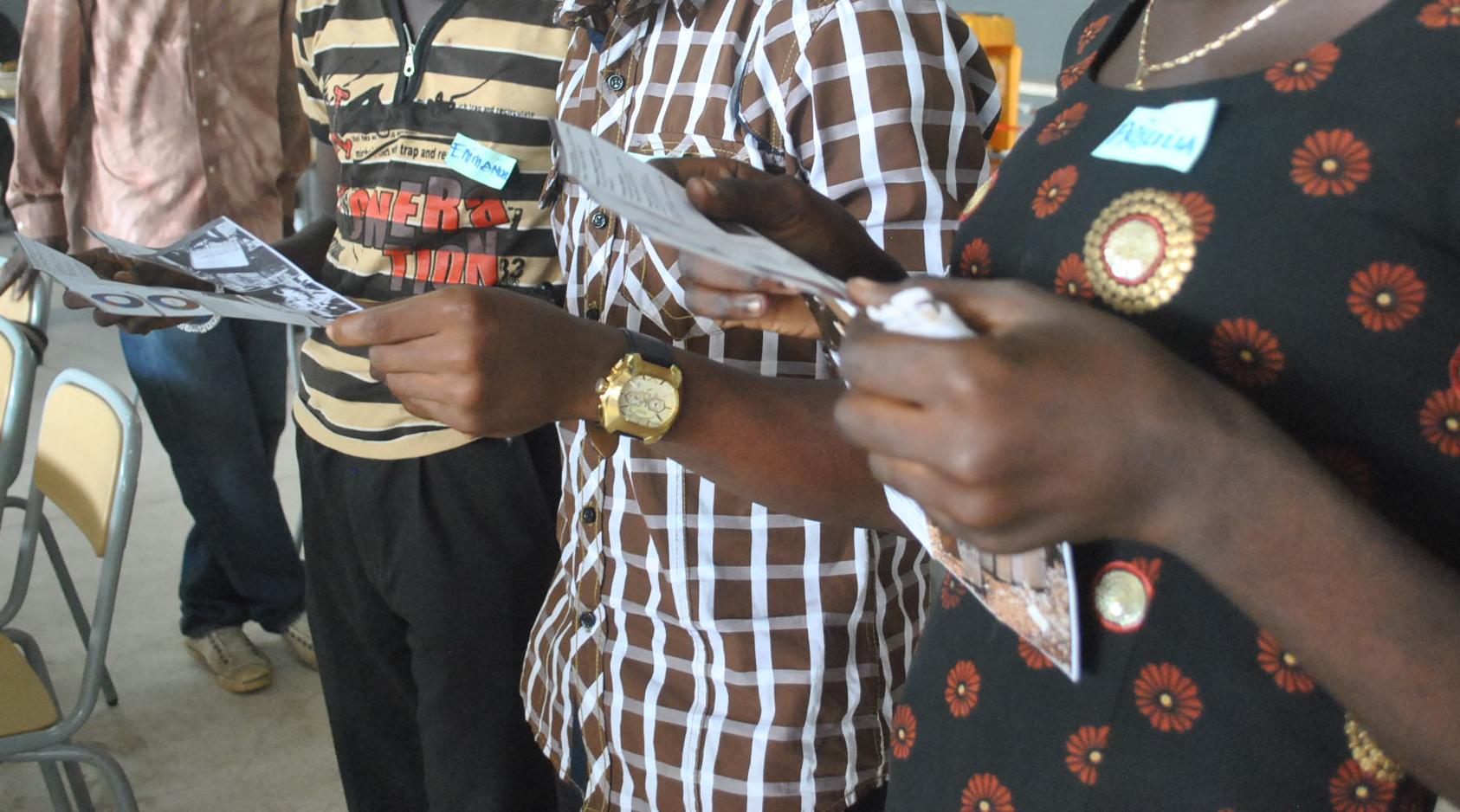
powershift Students at the recently ended PowerShift conference viewing the latest version of the manuals
Students at the recently ended PowerShift conference viewing the latest version of the manuals

To navigate these murky waters, the team decided to go beyond the traditional printed manual in a foreign language and to in addition to this make to video manuals which can be housed on servers and broadcast inside the spacecraft. These will be targeted specifically at the e-waste workers, and put together by some of them, in collaboration with their STEAM counterparts and will be done in Dagbani ( the Lingua franca as it were in Agbogbloshie). In addition to this, makers and/or hackers around the country and the world will have access in open source fashion to all the manuals online, as part of the AMP digital platform.
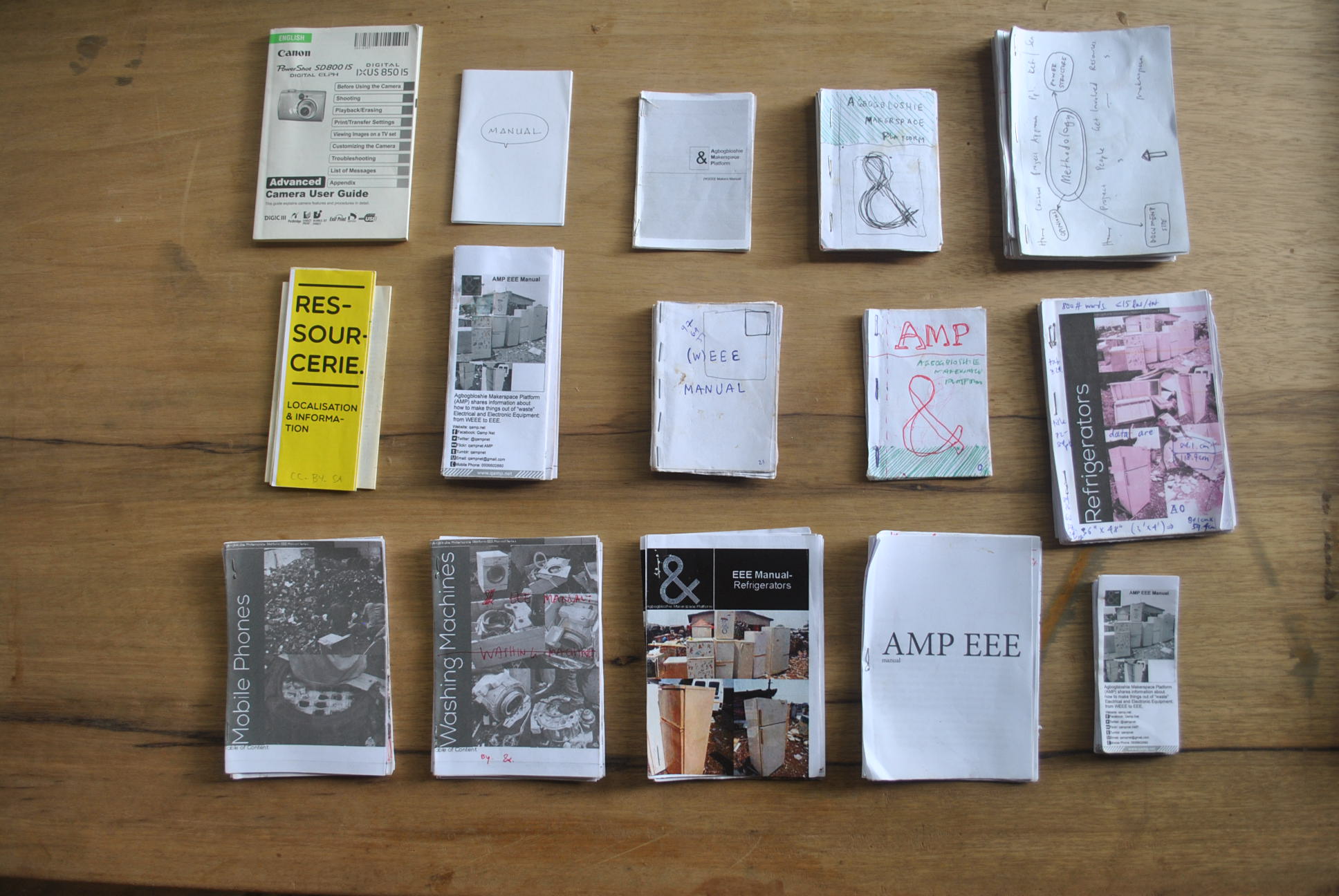
Image showing the various iterations of the AMP manual and some sources of inspiration

In the coming years, AMP hopes to see this manual evolve into a highly informative periodical, providing vital knowledge for a local and international network of young passionate makers and hackers. A thrilling thought indeed!!!
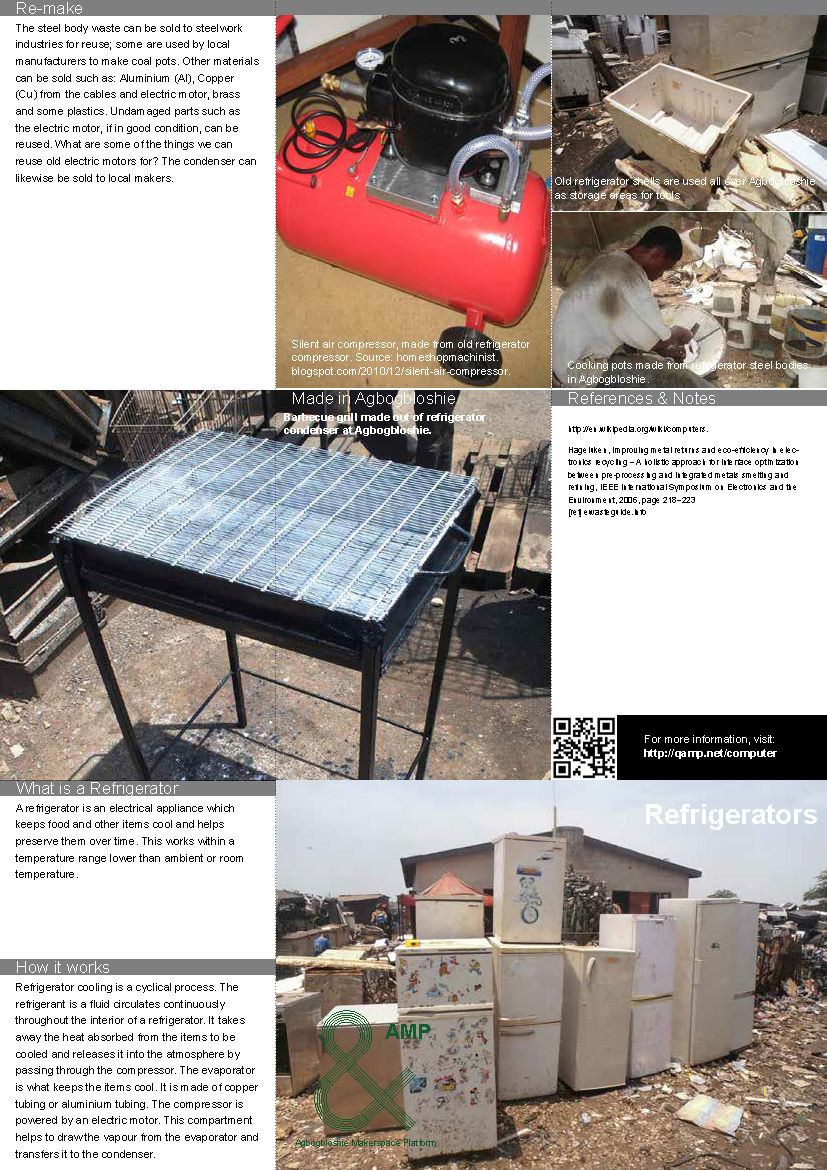
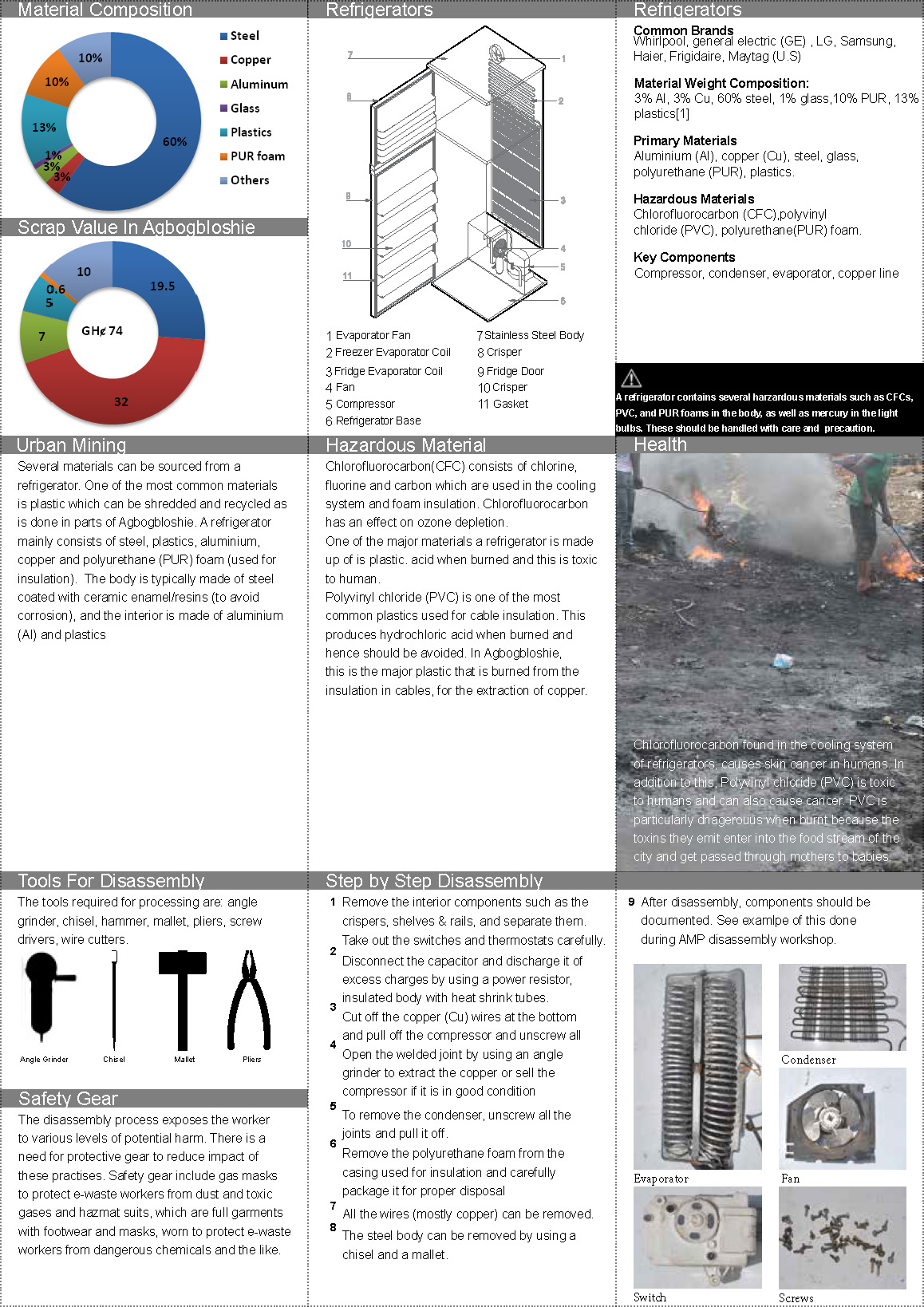
Manual-fridge sample_Page_2Manual-fridge sample_Page_1

#ampqamp14

#ampqamp14 ran June through August, 2014 at the Kokrobitey Institute, Hub Accra (now Impact Hub Accra) and the Agbogbloshie scrapyard, in collaboration with Togo’s Wɔɛlab. #ampqamp14 focused on M&D (Makers & Development, a practical hands-on approach to R&D) for the spacecraft, while #ampqamp15 focused on codesign of the AMP app.

#ampqamp @kokrobitey institute.team&-MOTION#ampqamp14 #woelabampqamp14 and woelab massive20140403_06293920140403_115111

Participants included:

Name Area of specialisation  Institution
Michael ACQUAH Physics University of Cape coast
Divine KWAME Communication design University of Cape coast
Maame Amma ANINKORA Physics University of Ghana
Rejoyce DOUMON Psychology University of Ghana
Louis BADOE Medicine University of Ghana
Nutifafa Yao DOUMON Teaching Assistant, Physics University of Ghana
Etornam AVOUGLA Graduate (Maths & Statistics) University of Ghana
Samuel AMOAKO-FRIMPONG Aerospace engineering Kwame Nkrumah University of Science & Technology
Daniel Henneh ADU Electrical engineering Kwame Nkrumah University of Science & Technology
Timothy AFFRAM Mechanical Engineering Kwame Nkrumah University of Science & Technology
Leonce Olorode ATANLEY Electrical Engineering Kwame Nkrumah University of Science & Technology
Martine PANDAM Maker WOELAB Togo
Kokou Dieudonnei AYEBUA Maker WOELAB Togo
Yannick MENSAH Maker WOELAB Togo
Rhodes O. AUDRE Maker WOELAB Togo
Kakatsi K.E. TEDO Maker WOELAB Togo
Lena KORSAH Designer Kokrobitey Institute
Natalie FORDWOR Programs Manager Kokrobitey Institute
Chamil MADHAWA Production Manager Kokrobitey Institute
Renee NEBLETT Art Education Kokrobitey Institute
Rafa FONT (Recyhub) Sustainable development Royal Holloway, University of London
Mawuena BANINI Architecture Central University College
Emmanuel Kusi OFORI-SARPONG Architecture Kwame Nkrumah University of Science & Technology
Kuukuwa MANFUL Architecture Kwame Nkrumah University of Science & Technology
Ivy ASUO Physics and Materials Science Kwame Nkrumah University of Science & Technology
Yasmine ABBAS Design & Architecture AMP co-founder
DK OSSEO-ASARE Design & Architecture AMP co-founder

Semi-octet truss first prototype

1 safety first
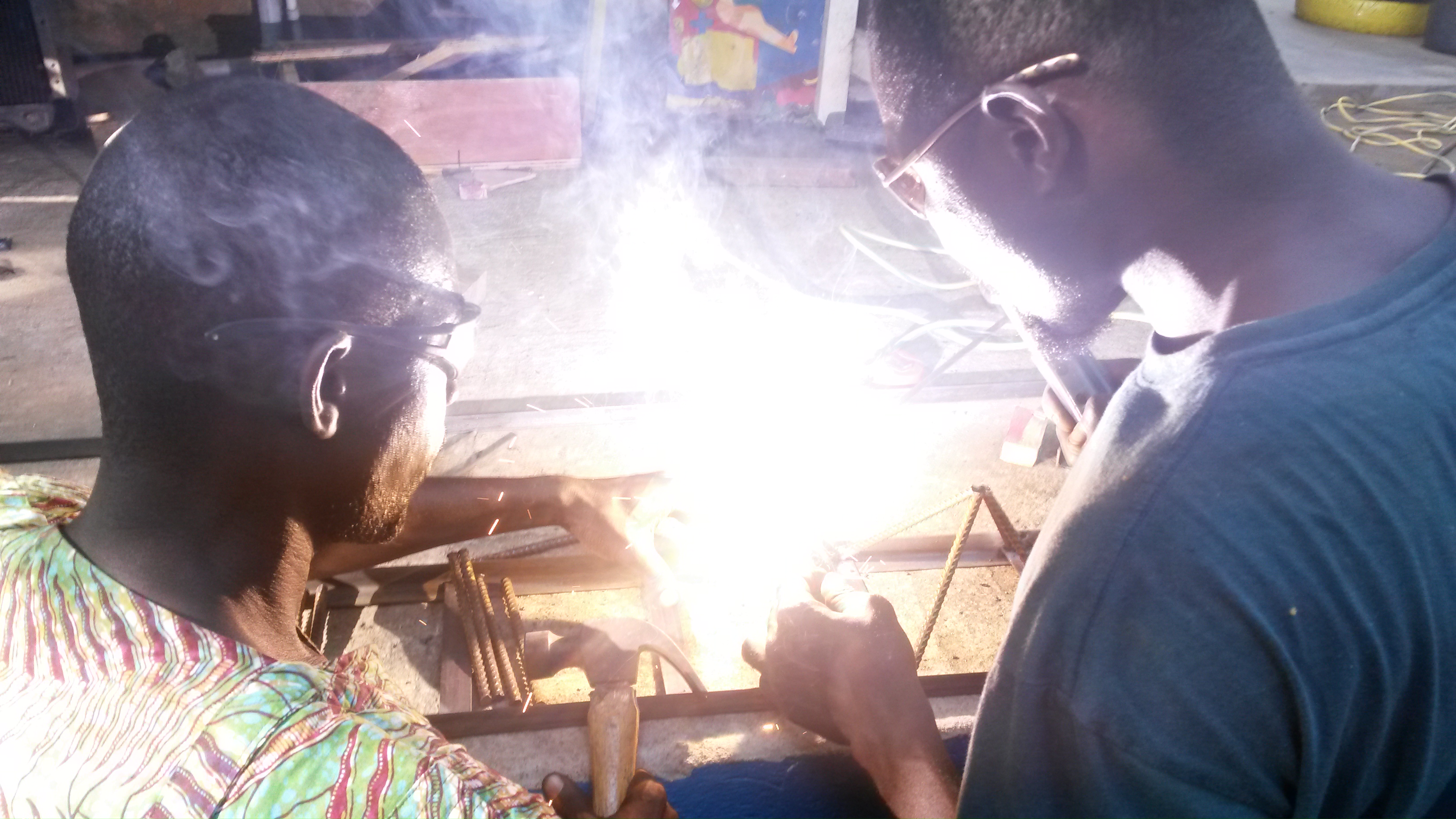
welding is dangerous; always work in a well-ventilated space, wear eye protection, and be careful!
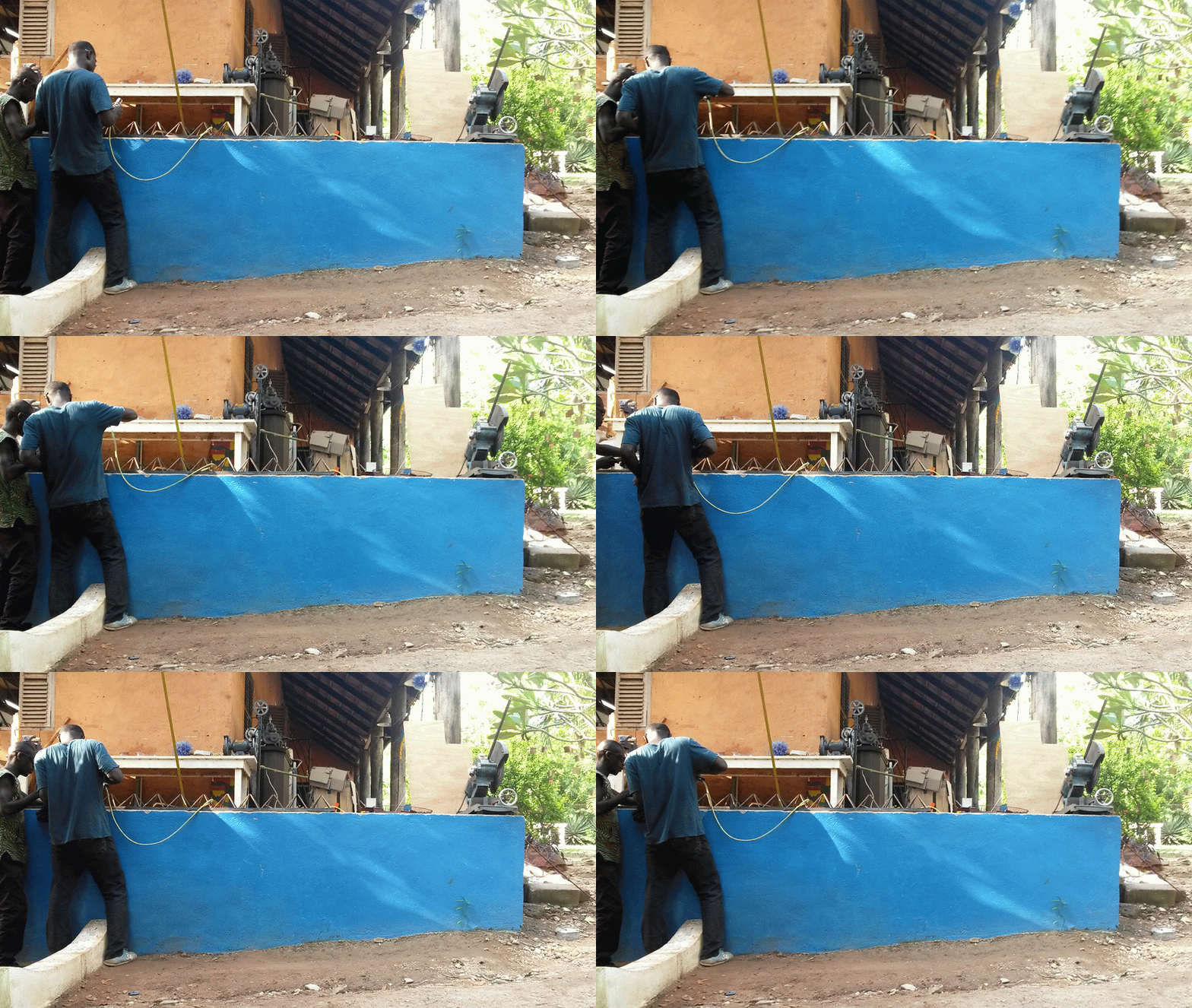
welding the first semi-octet truss prototype at the Kokrobitey Institute makerspace
octet truss KI first prototype
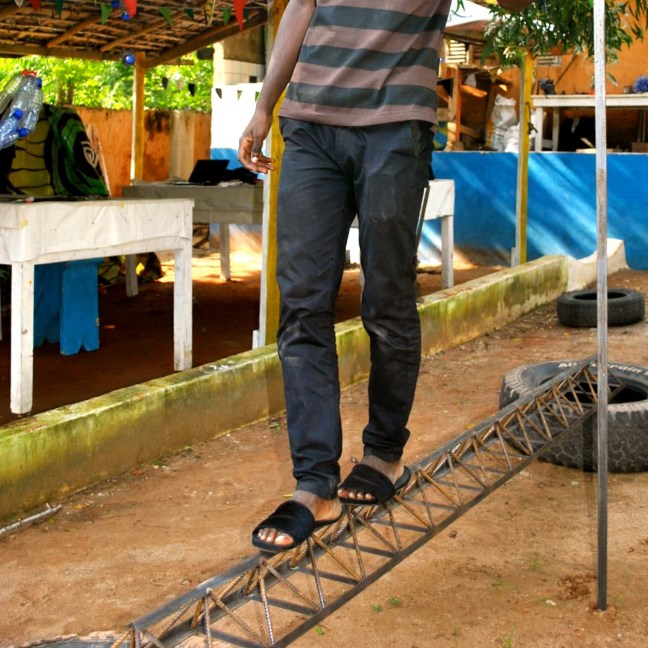
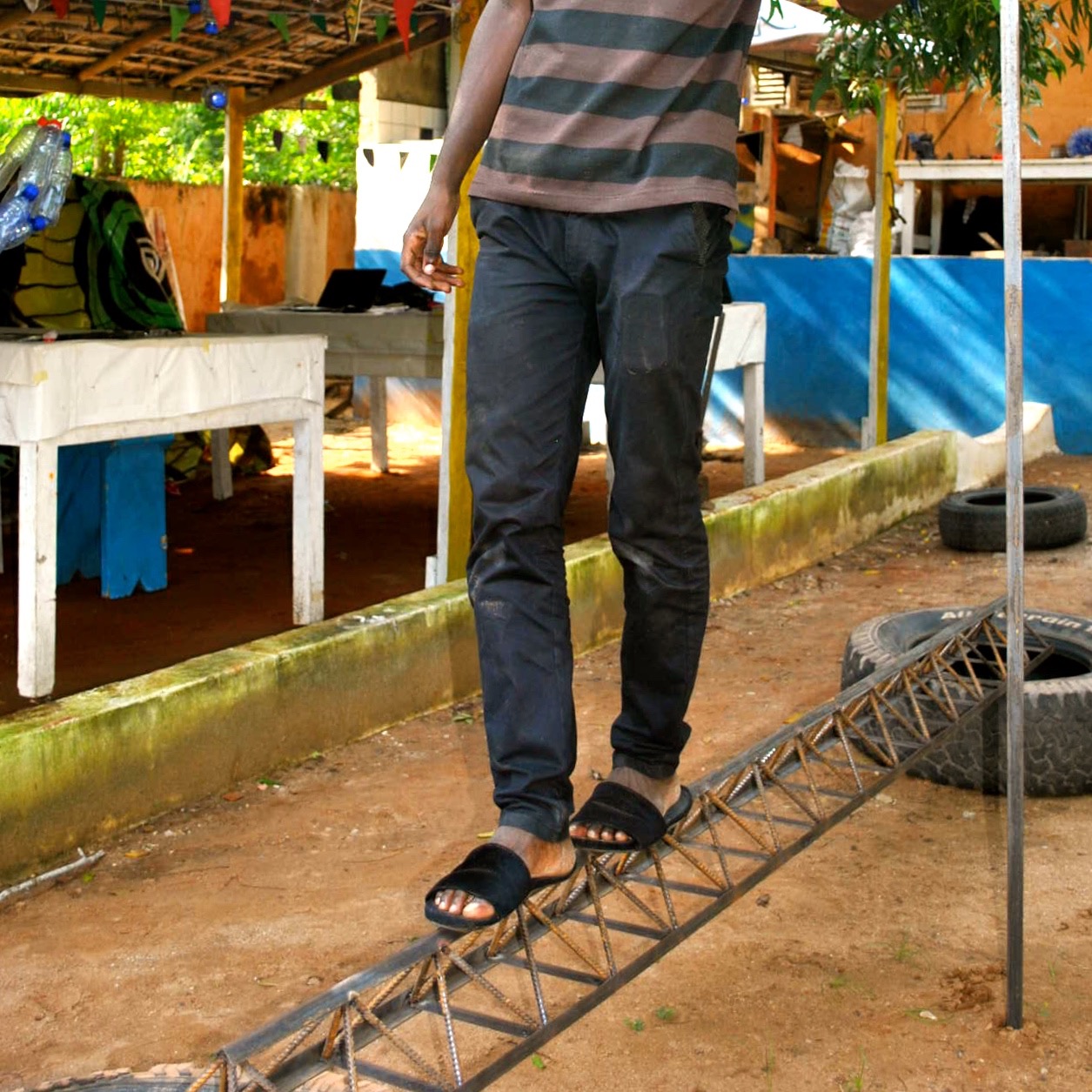
Emmanuel load-testing first octet truss prototype at Kokrobitey Institute makerspace, during #ampqamp14.

This was the first time we welded a complete full-length octet truss. Rudimentary structural tests after fabrication demonstrated good performance/strength but unacceptable dimensional tolerance (i.e. it was strong, but not precise).

Special thanks to Chamil, master maker at the Kokrobitey Institute makerspace, who suggested to develop a 2d truss jig (to hold 1in angle bar frame straight and square while welding) and square pyramid jig (to enable standardized production welding of square pyramids, as a component for full octet truss).

Chamil

More on spacecraft M&D from ampqamp14 here.

Spacecraft . foundation pads

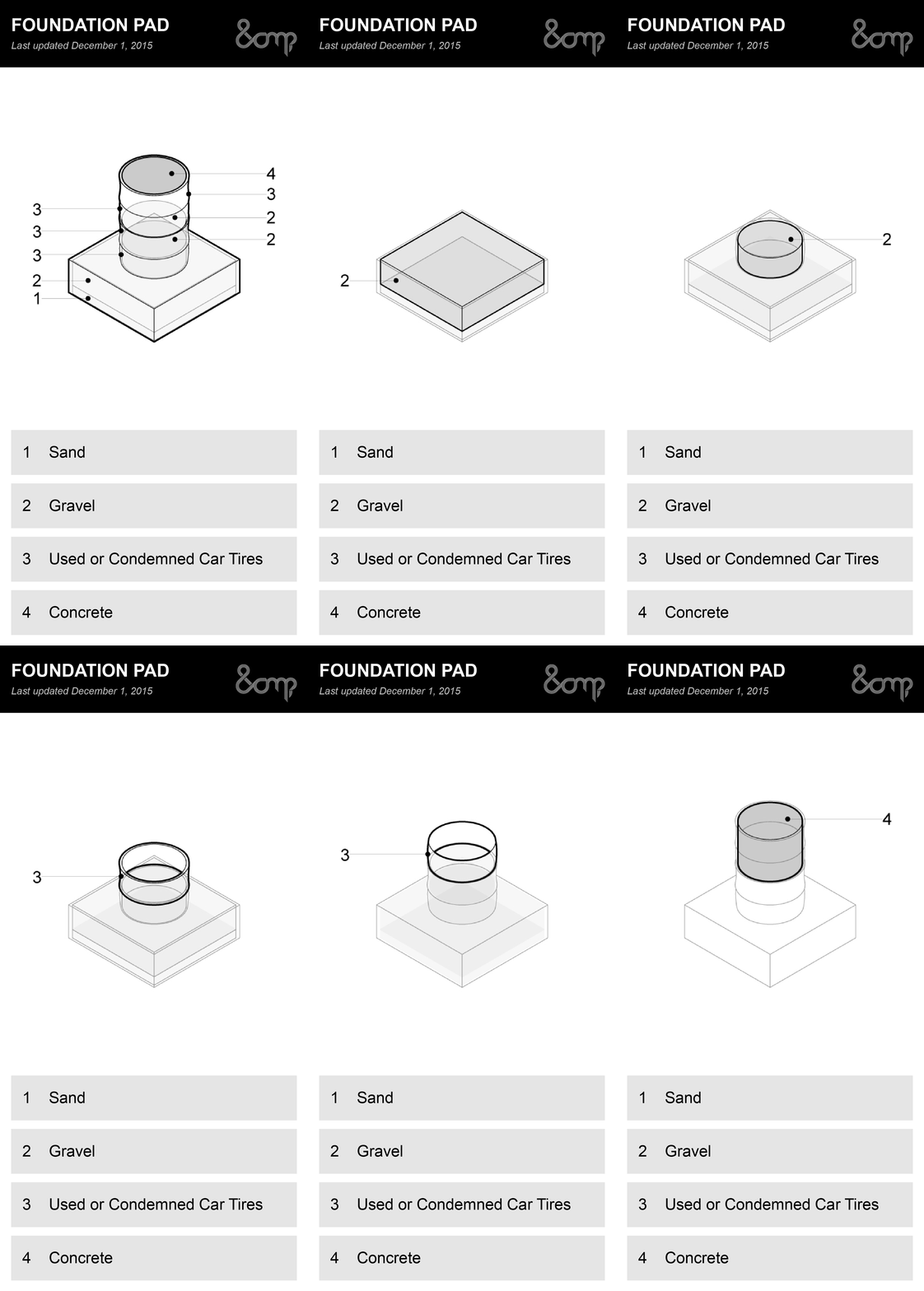
assembly of dry stone aggregate foundation pad with recycled car tires and concrete cap
assembly of foundation pad, post-excavation; dry stone aggregate fill inside recycled car tire stack with concrete cap
dig_1x1m_hole-MOTION
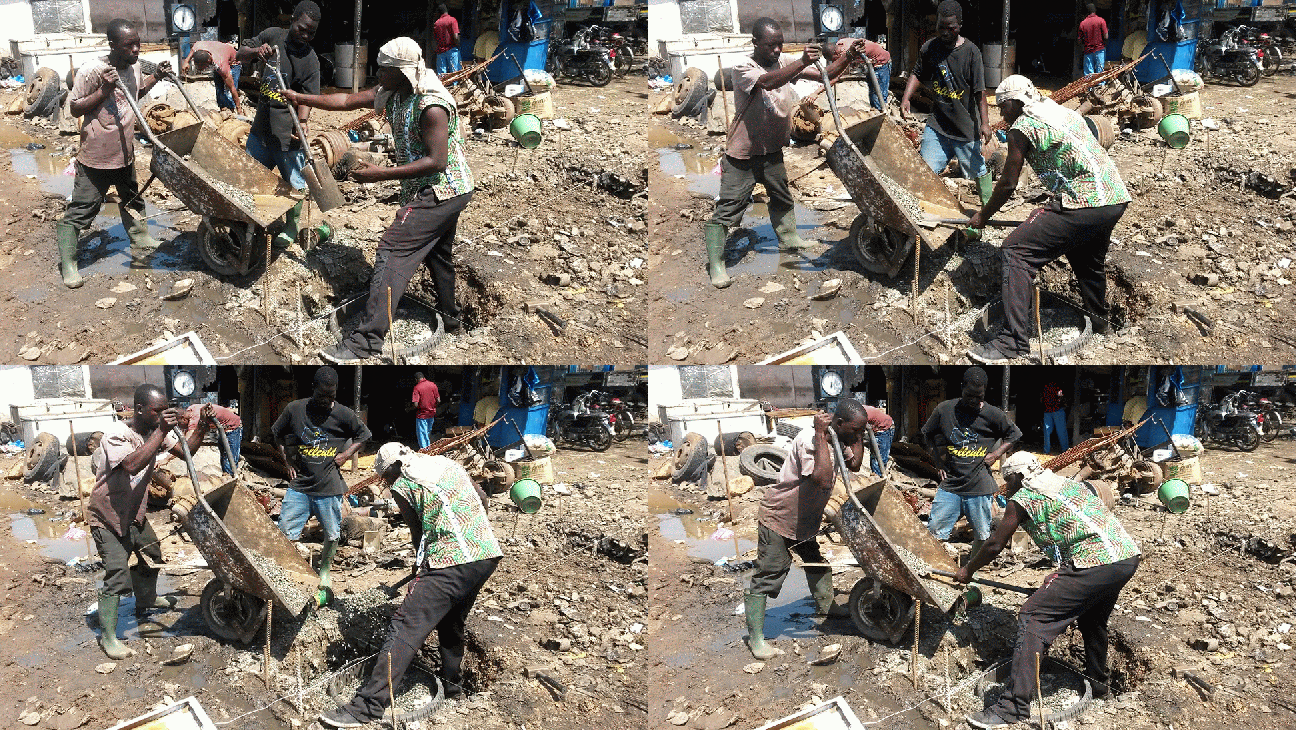
dig a hole 1x1x1 meters volume below-grade; do not eat food next to excavation if contaminated site like Agbogbloshie
fill_tires_with_stone-MOTION
stack recycled car tires with side walls cut out and dry stone aggregate infill, incremental backfill with site material
1trip_of_stone_agblosh-MOTION
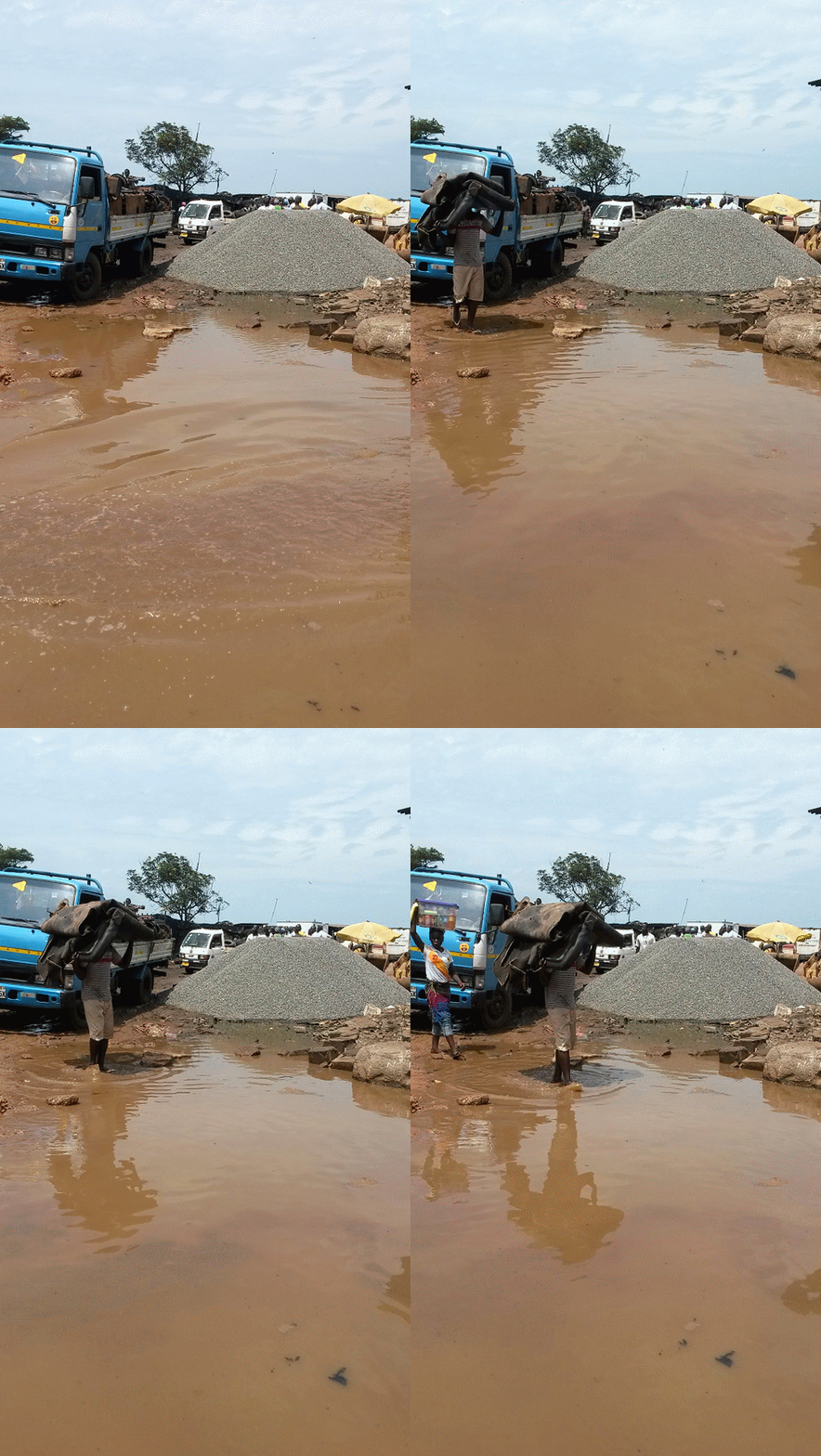
one trip of 5/8in granite stone aggregate used for foundation pads plus site fill

https://3dwarehouse.sketchup.com/embed.html?mid=udcfe67e3-00f2-4bce-b968-13c37efca5e3&width=580&height=326