AMP Spacecraft

For many designers across the globe, language (words) form the bedrock of design thinking: “Words are tools for architectural design; for the development of design intent or strategy, as well as construct the ideas that drive its creation” (Eckler, 2012) [1].

The Agbogbloshie makerspace, is essentially, a community “toolbox” for Agbogbloshie. It was conceived as a spacecraft. This choice of a word served both as a starting point and driver for the design. With AMP co-pi DK Osseo-Asare as the lead on the design team, the AMP spacecraft was designed with mobility in mind, as are other crafts like an air craft, or even space faring vehicles (spacecrafts). As a community kiosk with hand tools, the idea of crafting (making with ones hands) was pivotal in addition to the fact that, these tools enable the spacecraft to replicate itself. Hence it can be read as a place where space is crafted.

Beyond these, the influence of space travel is relevant to the Agbogbloshie makerspace. Here, the toxic electronic landscape which is unfavourable for human habitation is likened to an extra-terrestrial planetary body. Hence, the arrival of a spacecraft could imply the commencement of a process of terraforming–the hypothetical notion that, in order to be habitable and/or conducive for human habitation, atmospheres and ecology of other planets can be modified. From this point of view, the arrival of the AMP spacecraft in Agbogbloshie is the commencement of a process of spatial change or transformation, a notion which is itself deeply related to crafts (vehicles).

In summary, the spacecraft is:

  • Mobile and is like other crafts
  • A place for making (crafting)
  • A workshop for crafting space due to its self replicating ability
  • And a first step towards the spatial transformation of the Agbogbloshie landscape

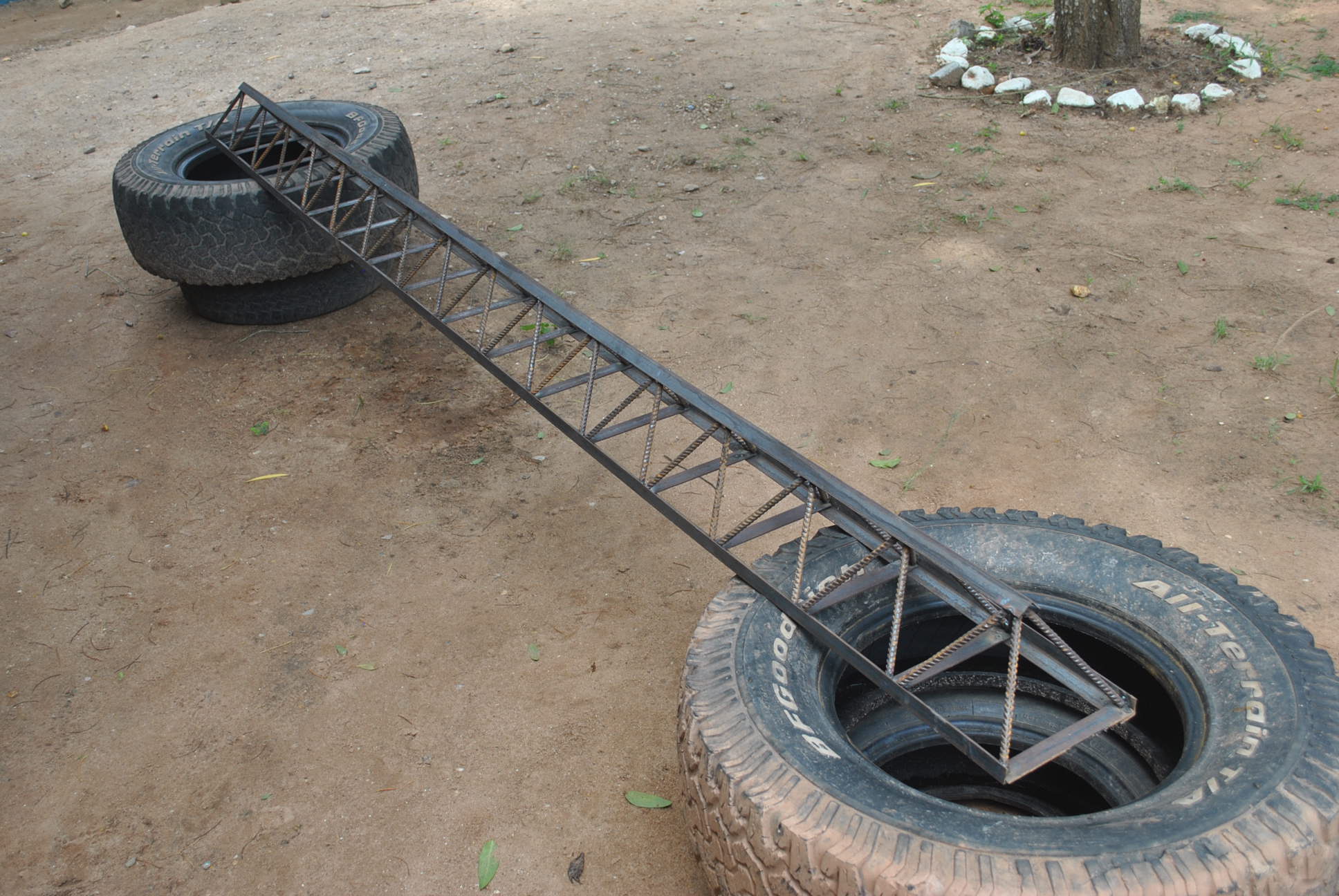
In terms of the structure, the AMP spacecraft is modular and has a frame consisting of 12 octet trusses per module. (See video here). Each octet truss is made up of steel angle bars, flat plates and rods, which form a series of half octahedra all welded together into a singular structural unit. The intention is to fill in the structural frame with materials sourced from within the Agbogbloshie landscape such as old refrigerator doors, which will constitute composite “precast” insulated panels.
photo(2)
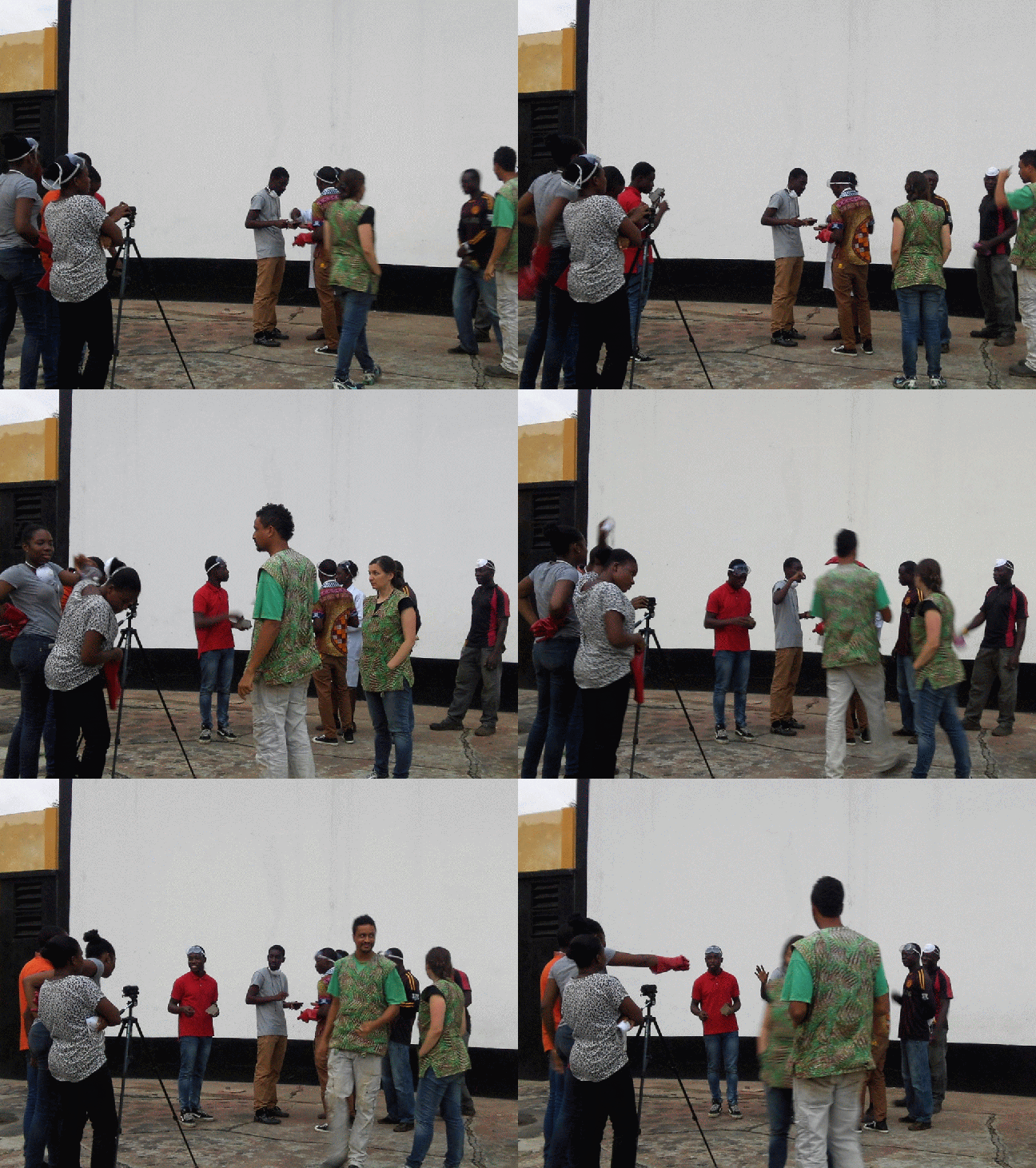
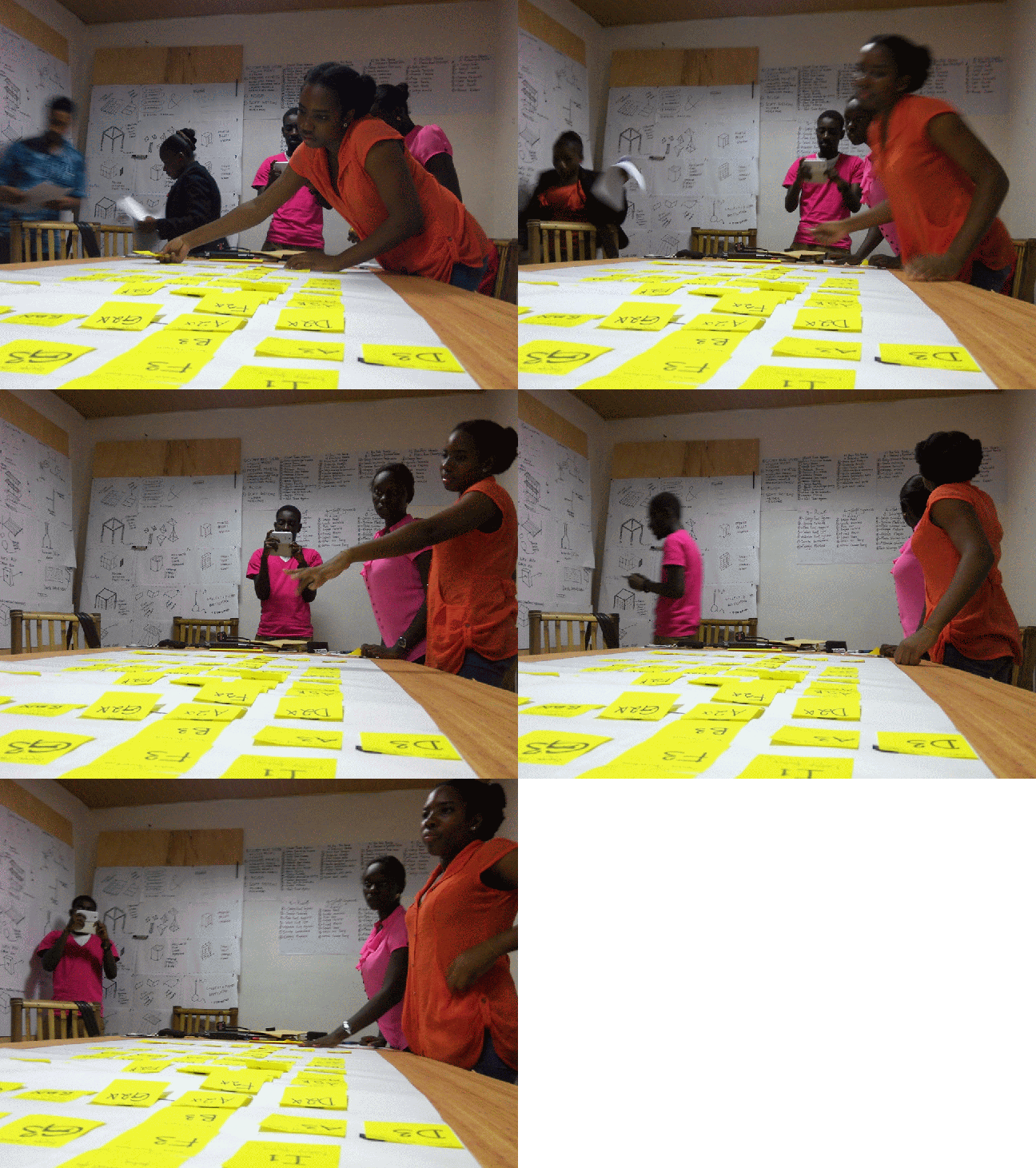
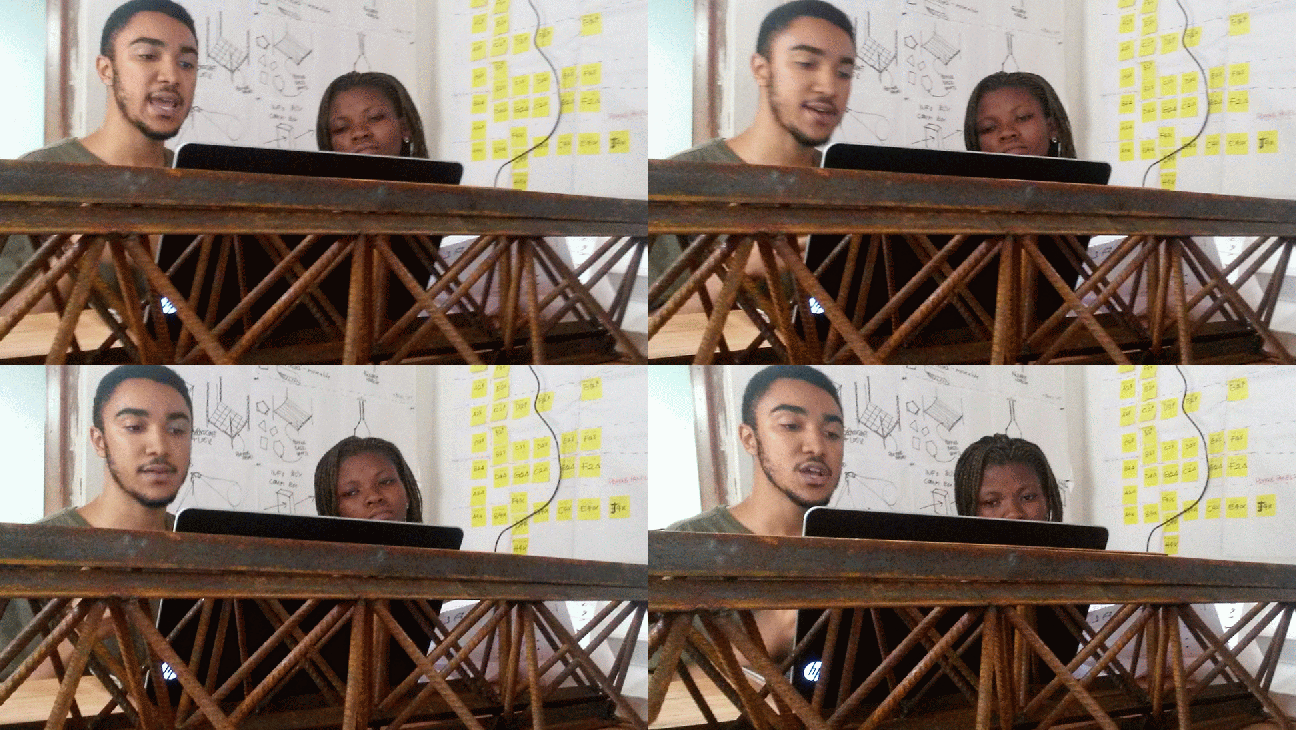
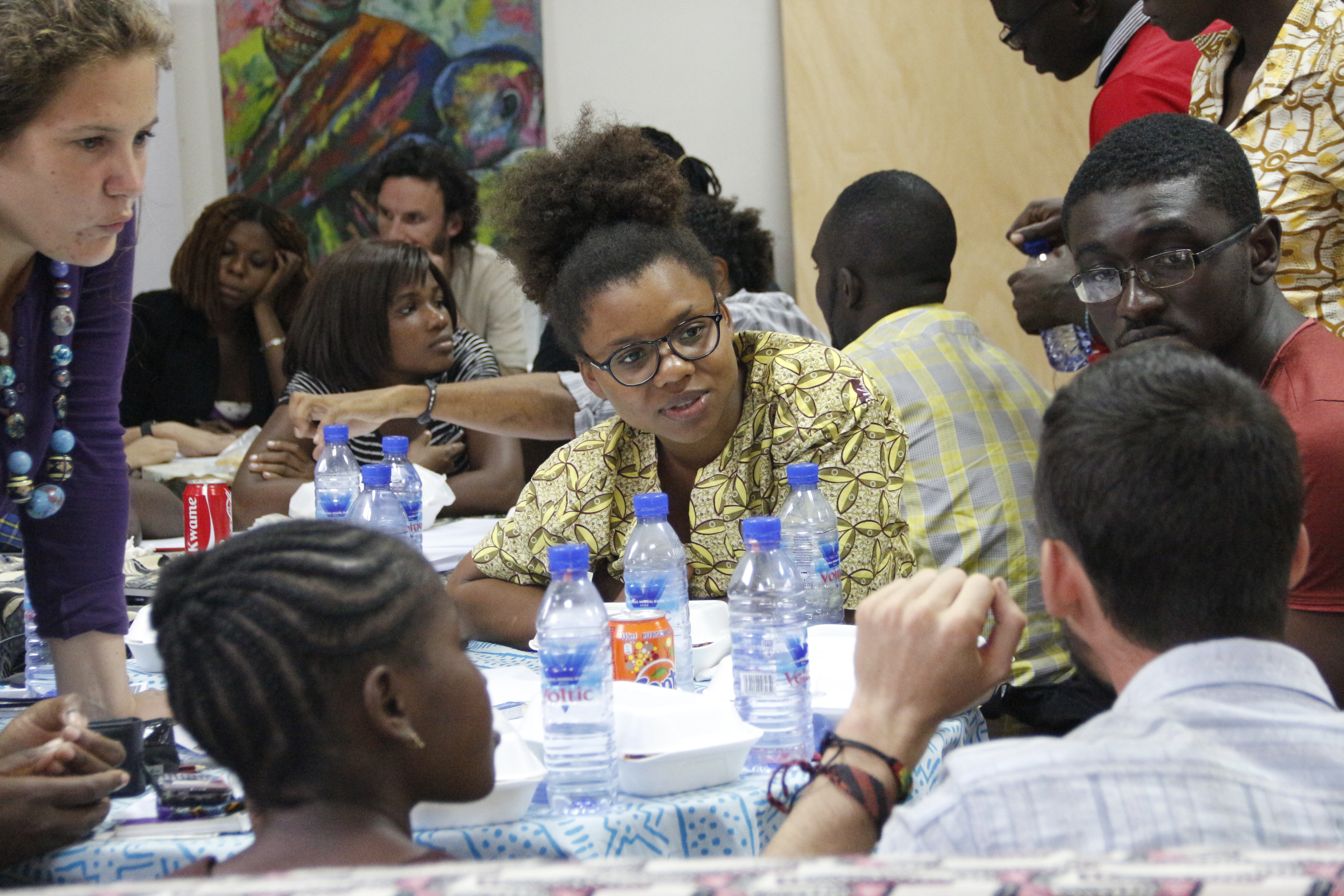
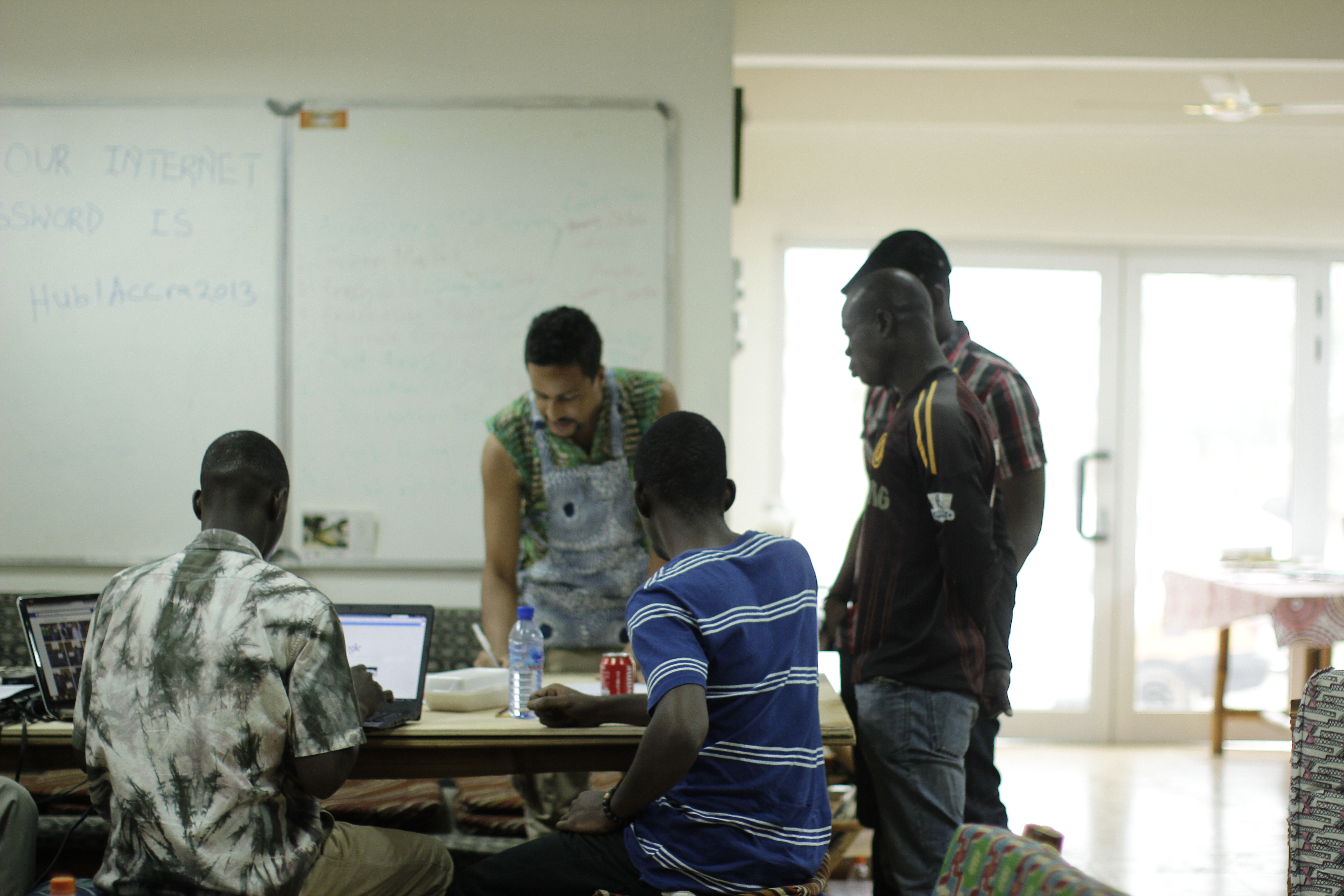
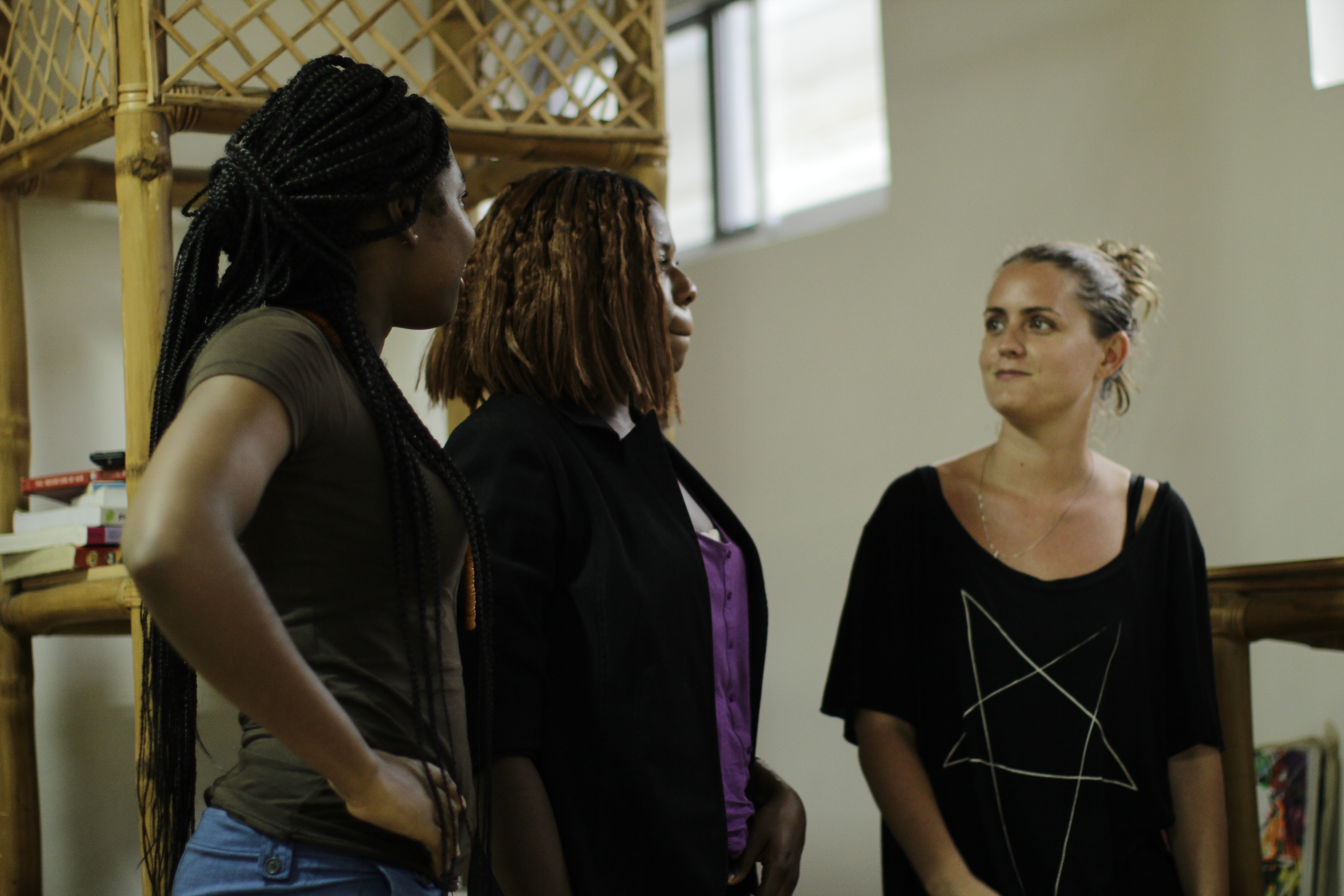
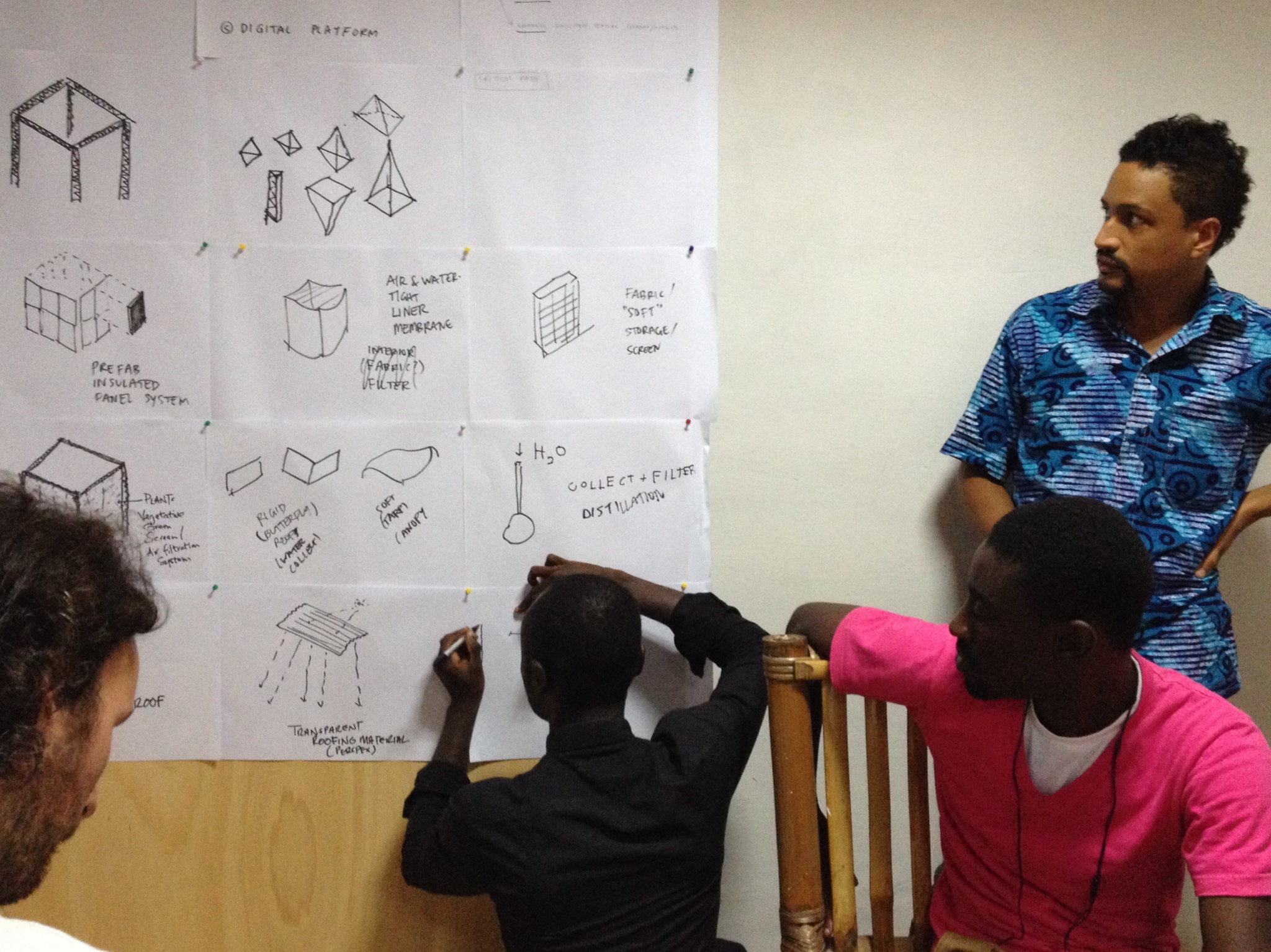
Spacecraft brainstorming session at Hub Accra during AMPQAMP

For the past three weeks week as part of AMPQAMP, the process of crafting the first module of the spacecraft continued starting in Hub Accra with theorizing and brainstorming about the spacecrafts systems and components, and ending in Kokrobite with the fabriacation of the first full scale octet truss, after several prototypes and mockups. It was a long tedious and yet highly exciting process where our desire for high level of precision and accuracy meant cutting and re-cutting, measuring and re-measuring, until we arrived at fairly satisfactory results.
welding image
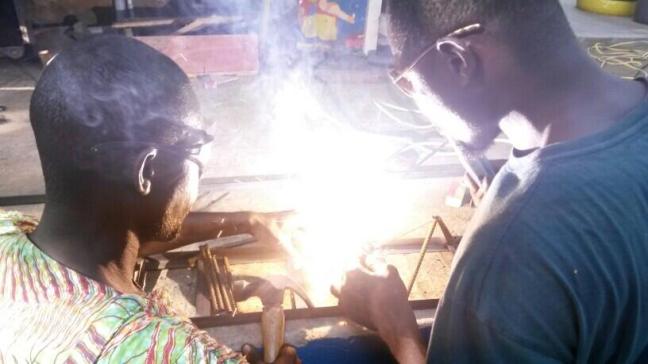
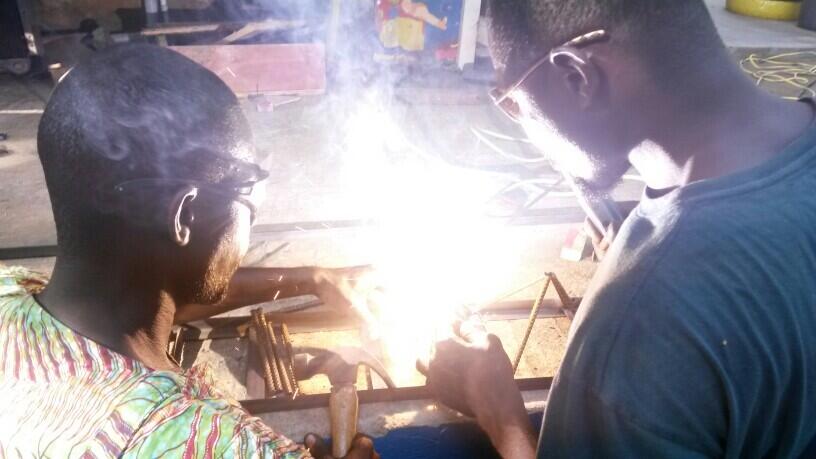
Welding of octet truss at Kokrobite Institute.

Thanks to master welder Badu and his assistant, we had a fruitful learning experience. Their process was particularly interesting to us because, they used a grinder that was itself “e-waste” sourced from Agbogbloshie. As a space of convergence, the spacecraft which is a place for interaction and sharing (and will exist both as a tangible place, and a fully functional virtual platform) will soon land in Agbogbloshie. Stay tuned!!!
DSC_0080 - Copy
Octet truss welded during AMPQAMP

1. Eckler, F.J 2012, “Language of Space and Form: Generative Terms for Architecture”, John Wiley and Sons, New Jersey, page 1.

***

See also:
WEEE basic understanding AMP Manuals

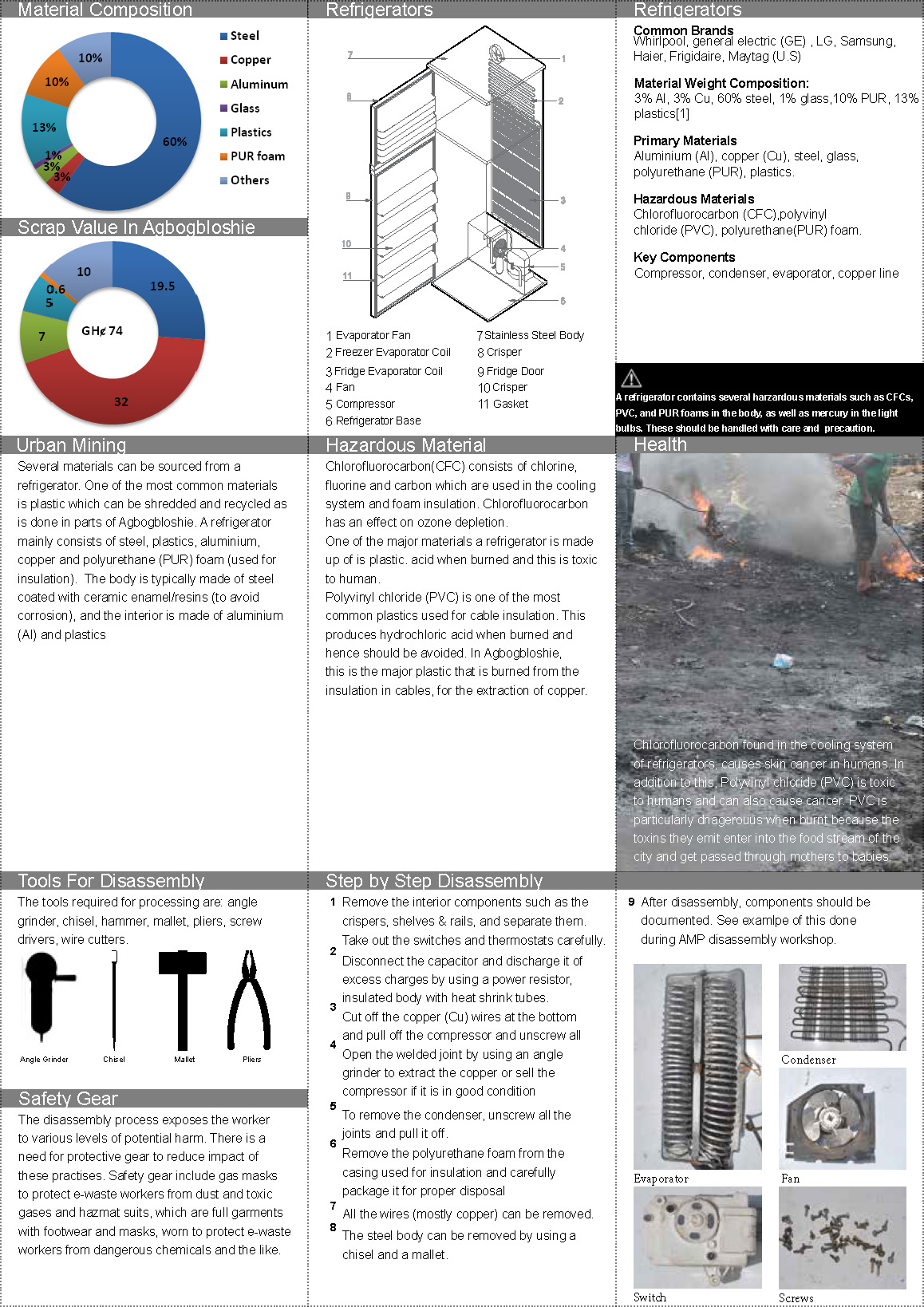
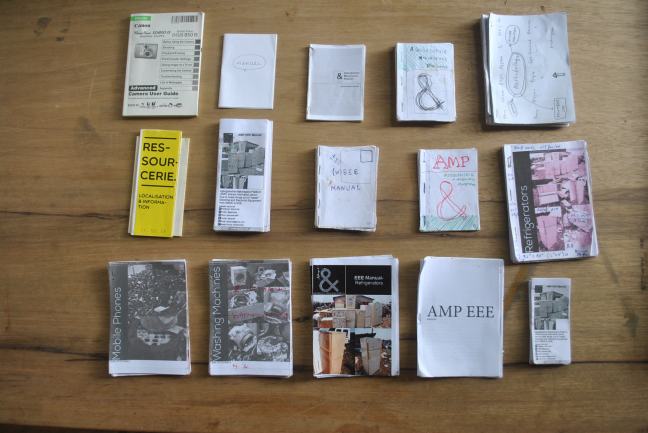
One of AMP’s core objectives is the compilation and design of a “waste” electronic and electrical equipment (WEEE) manual. The main purpose of this is the provision of vital information for the AMP maker collective comprising of STEAM students/graduates (Science, Technology, Engineering, Art and Mathematics) and Agbogbloshie e-waste workers.

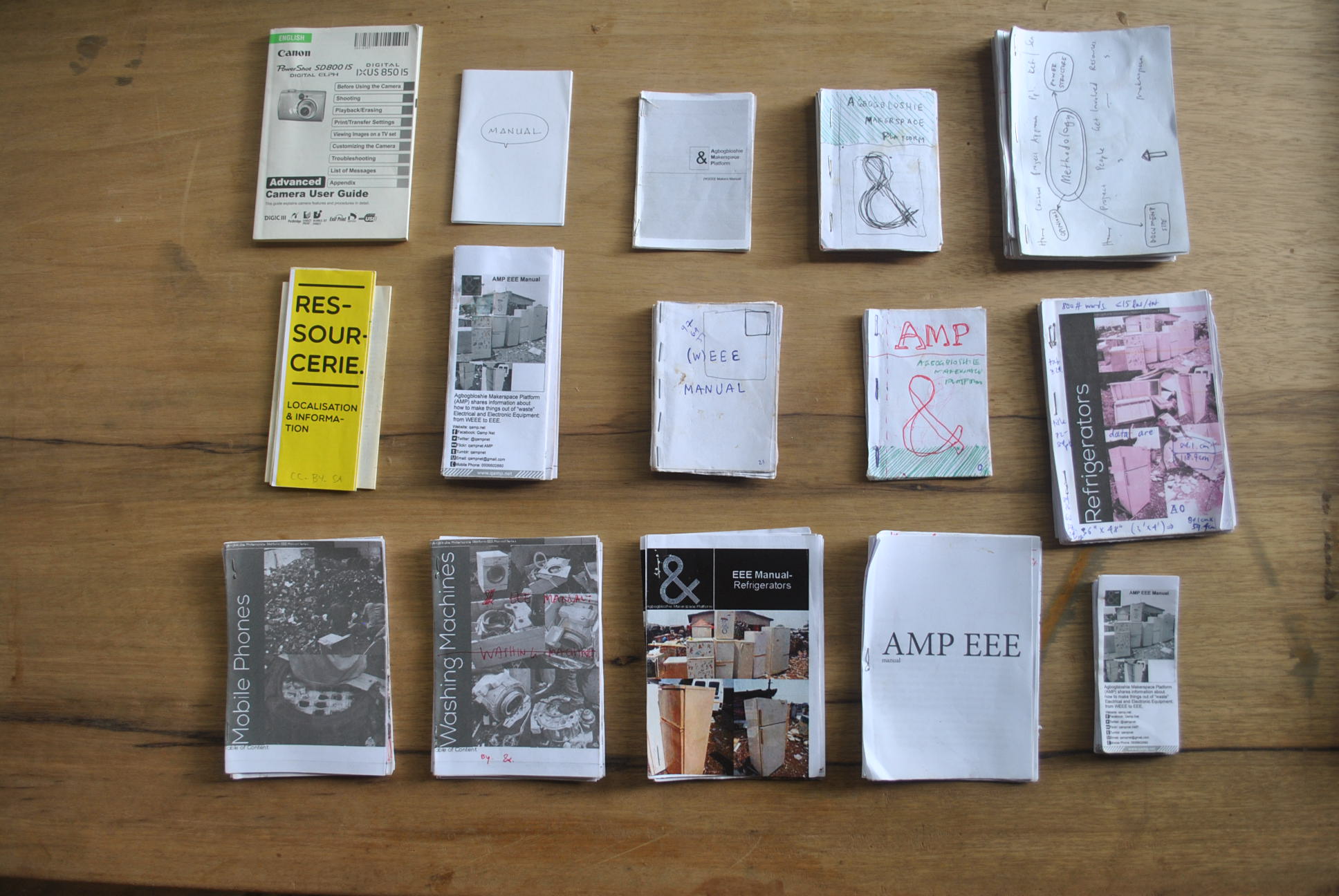
For several months, we worked on the print version of the manual–a series of individual manuals for each electrical and electrical equipment studied–which has undergone several design iterations (see image below). We collected data from a number of articles and our own fieldwork (to learn the value in Ghana Cedis of each item brought to and dismantled in Agbogbloshie). We designed a manual for each piece of equipment studied so it fits a single folded sheet of paper. This makes it simpler and more user friendly. In the coming days, these manuals as they are so far, will be hosted online so makers and people knowledgeable about electrical and electronic equipment could contribute to them.

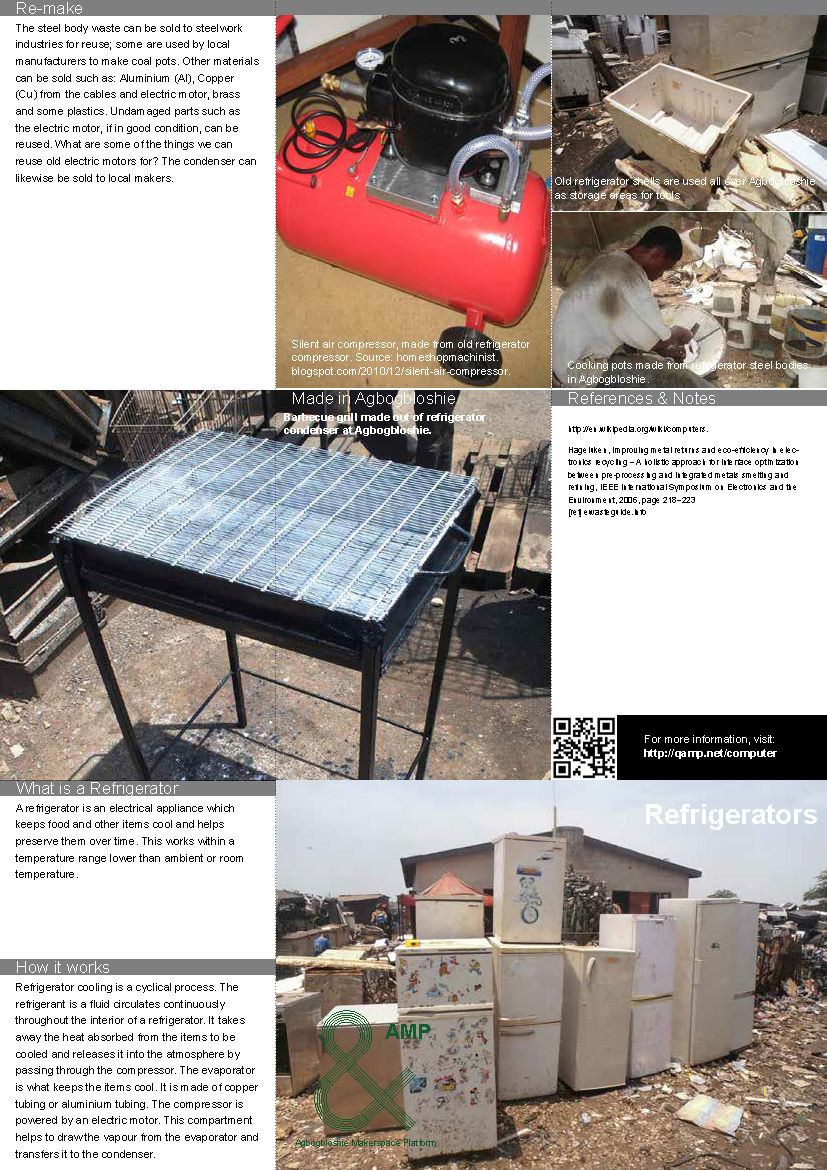
The manual is organized so as to give information on material composition, parts and components, hazardous materials, urban mining opportunities, tools for dis-assembly, steps for dis-assembly, safety gear, and opportunities and ideas for remaking.

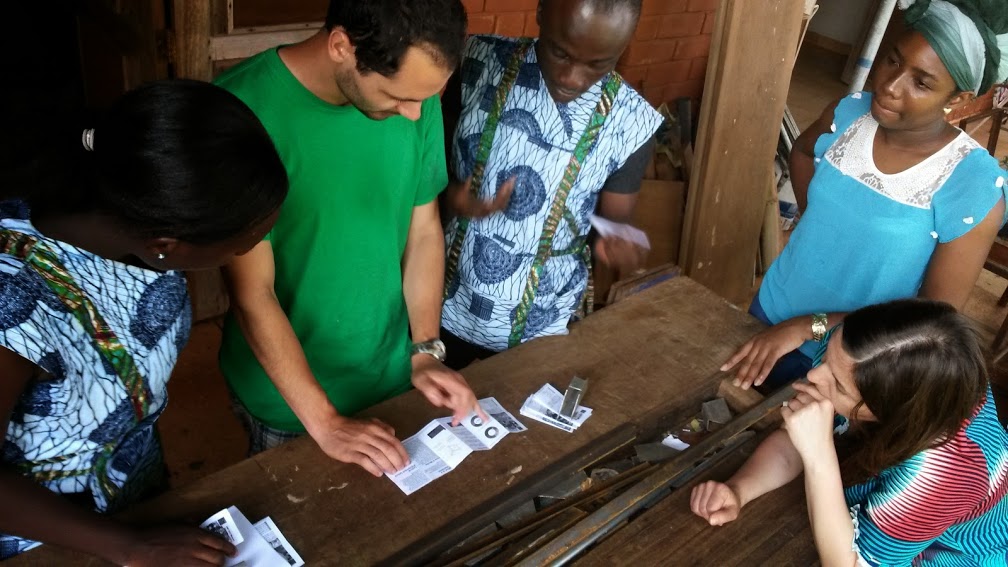
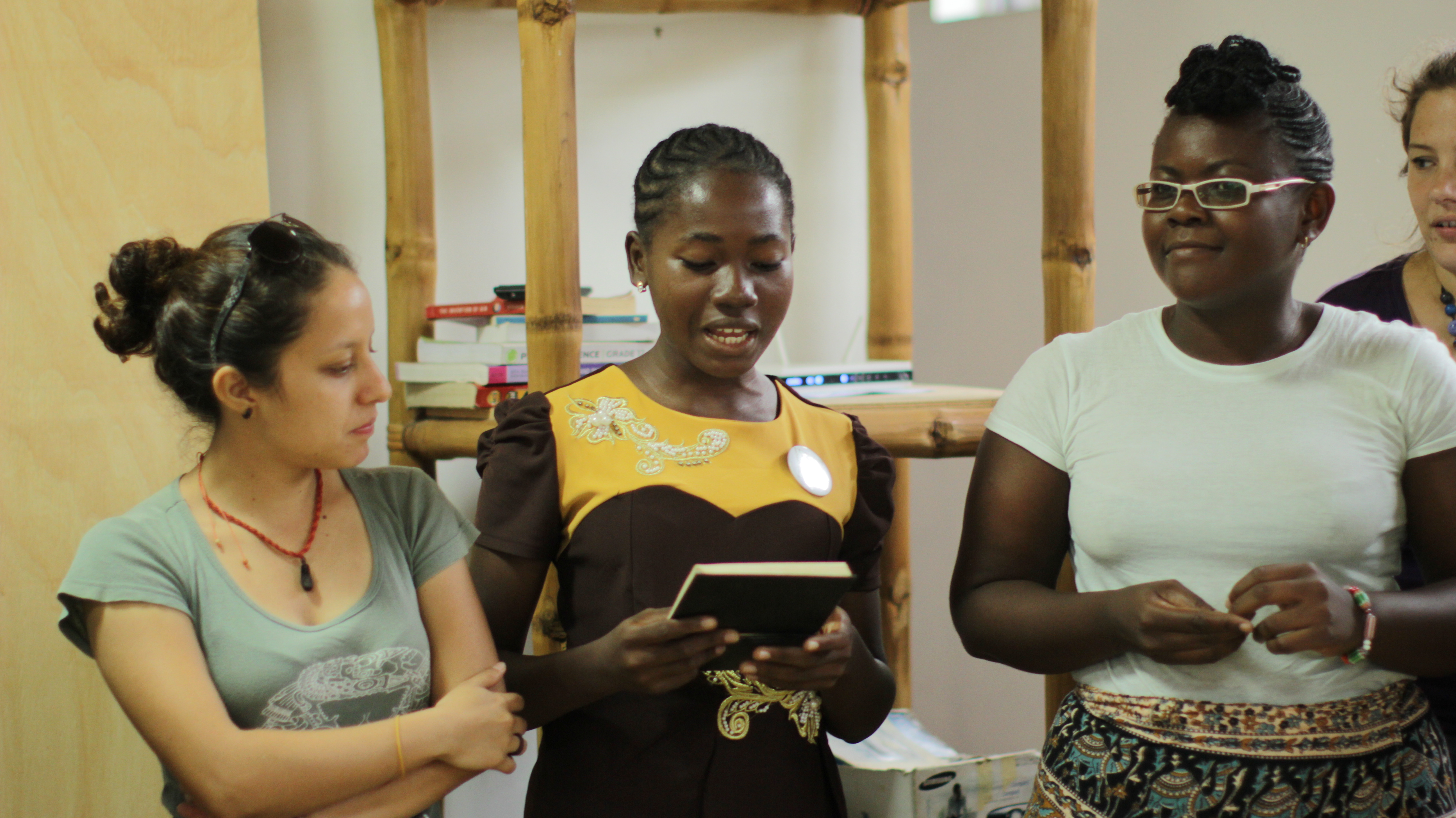
Svet Lightyear visitPicture of the AMP Team showing the manual to Svet from the Lightyear Foundation.

This task is a staggering one because it should cater to the needs of people pertaining to different social categories, each with different understanding and knowledge. On the one hand are the STEAM professionals, educated and used to reading guides and who may even love manuals and on the other hand, the e-waste workers, predominantly uneducated and having a general disinclination towards anything remotely related to guidebooks or for that matter, books. This means they would both relate differently to a typical guidebook. Although this may sound stereotypical, it is a truth with which the AMP team is confronted.

powershift Students at the recently ended PowerShift conference viewing the latest version of the manuals
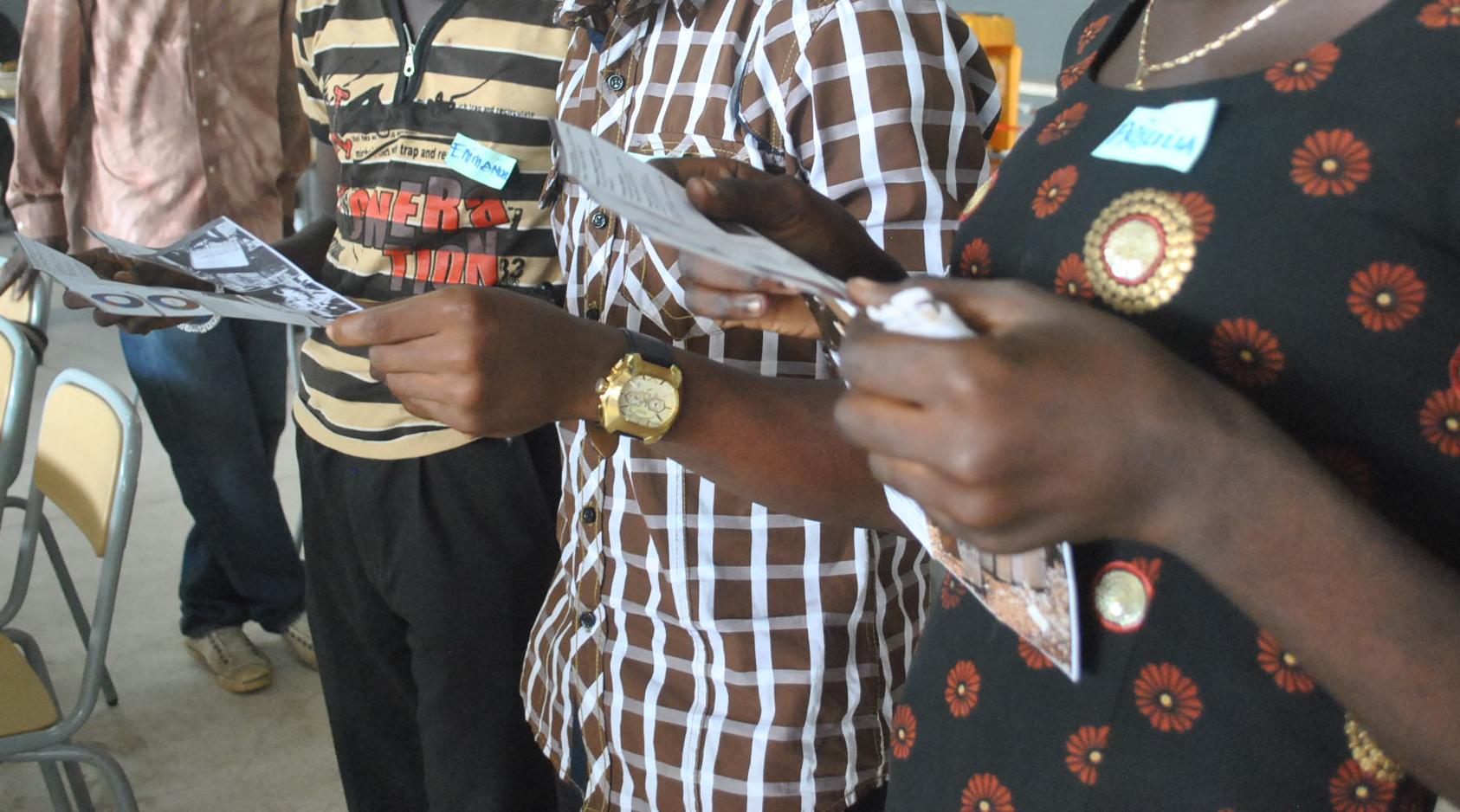
Students at the recently ended PowerShift conference viewing the latest version of the manuals

To navigate these murky waters, the team decided to go beyond the traditional printed manual in a foreign language and to in addition to this make to video manuals which can be housed on servers and broadcast inside the spacecraft. These will be targeted specifically at the e-waste workers, and put together by some of them, in collaboration with their STEAM counterparts and will be done in Dagbani ( the Lingua franca as it were in Agbogbloshie). In addition to this, makers and/or hackers around the country and the world will have access in open source fashion to all the manuals online, as part of the AMP digital platform.

Image showing the various iterations of the AMP manual and some sources of inspiration

In the coming years, AMP hopes to see this manual evolve into a highly informative periodical, providing vital knowledge for a local and international network of young passionate makers and hackers. A thrilling thought indeed!!!

Manual-fridge sample_Page_2Manual-fridge sample_Page_1

Plastic Experiments

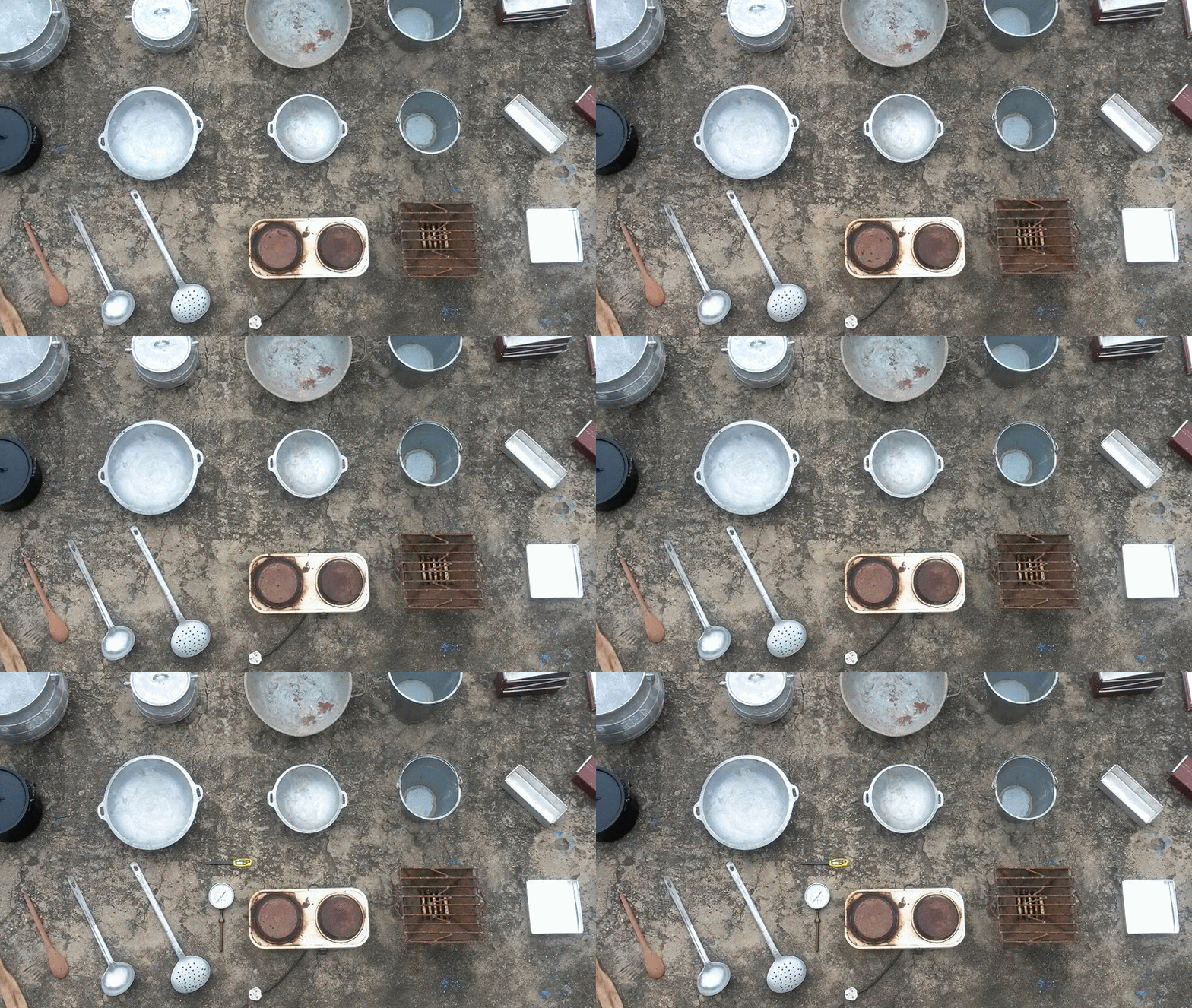
Instruments and Equipment - Made in Agbogbloshie
Instruments and Equipment – Made in Agbogbloshie

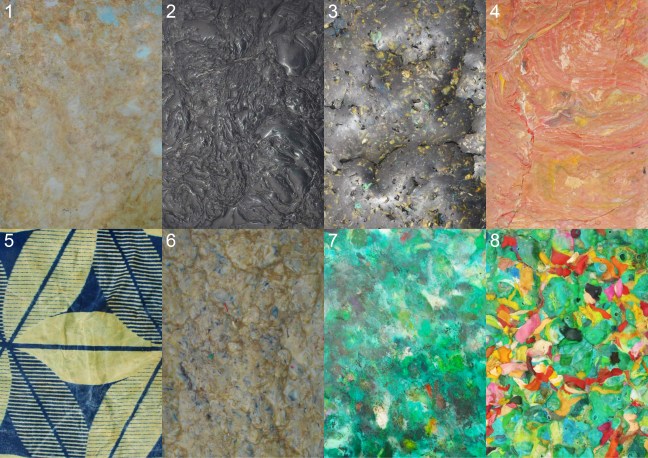
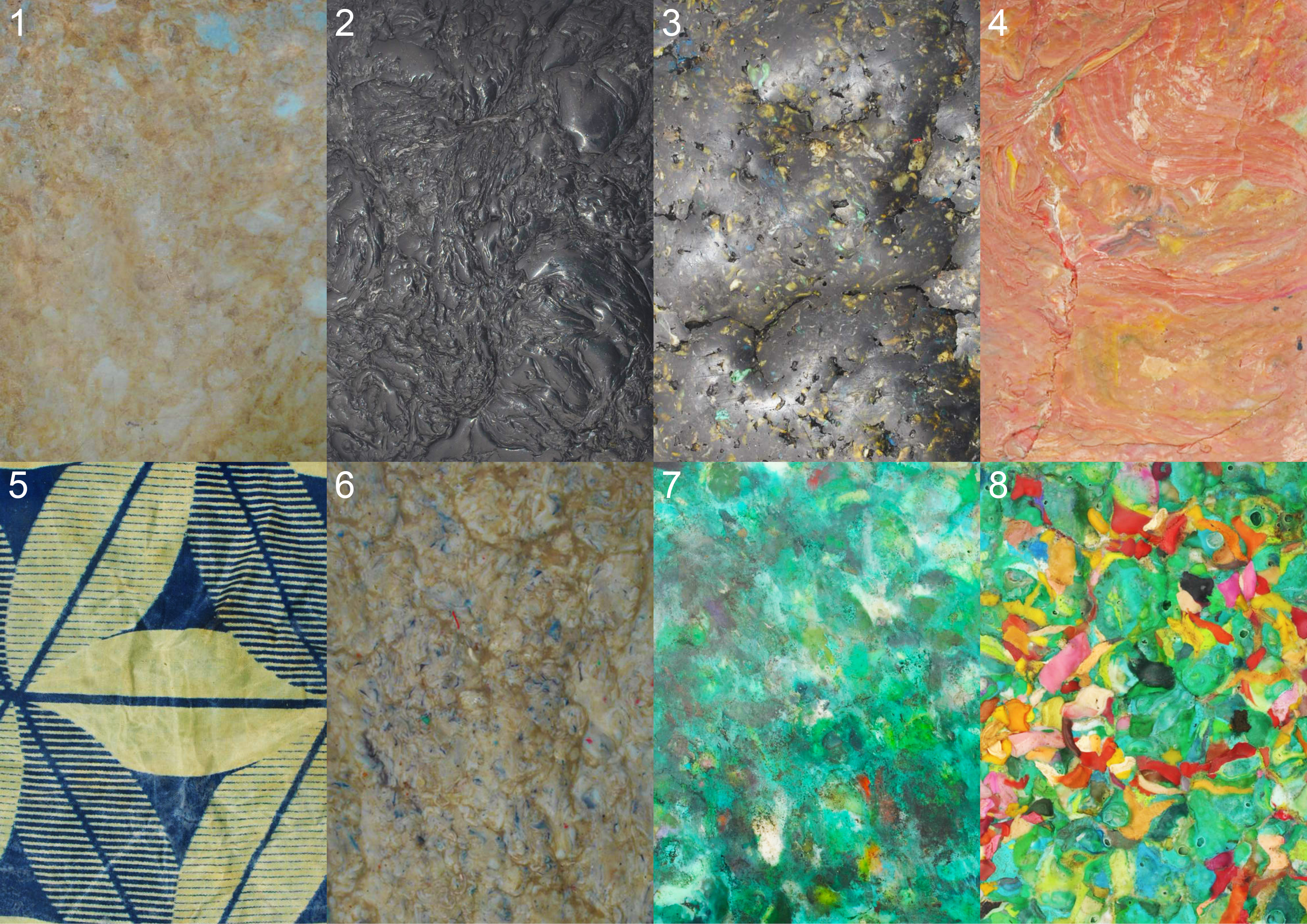
As part of the AMPQAMP’s objective of building a spacecraft at Agbogbloshie for open source activities to take place, one of the activities was making tiles and panesl from recycled plastics to be used in the Spacecraft.

Plastics are everyday materials used domestically and industrially. Statistically speaking, about 72% of our household appliances have some plastic components, however it is not bio-degradable.

  • There are several types of plastics such as polyethylene theraphalate (PET), high density polyethylene (HDPE), polyvinyl chloride (PVC), low density polyethylene (LDPE), polypropylene (PP), polystyrene (PS).

The AMP team of scientists visited the Agbogbloshie to source plastics. Sam Sandow, an e-waste worker and member of AMP maker collective, Shaibu, a plastics recycler and other scrap dealers assisted with sourcing material. Their knowledge of the Agbogbloshie terrain helped the team navigate the space relatively faster, with successful acquisition of PP, HDPE, LDPE and PET from the plastics recyclers. Vendors weighed plastic material via digital scale.

  • Tinsmiths at Accra Timber Market and Agbogbloshie assembled custom aluminum molds per the teams specifications (20 x 20 cm). With expertise from producing breadpans, makers such as Mohammed then fashioned the molds by applying their working knowledge of pattern cutting, etc.
  • Team Poly-Science (Ivy, Michael, Maame and Rejoyce) experimented three methods of processing these plastics were considered namely: Melting, stewing and plastic impregnation.
  • Melting basically involves bringing the plastics to their respective melting temperature ranges; 250-260oC for PET, 160-170oC for PP, 130oC for HDPE, 110oC for LDPE and 240oC for PS.
  • Stewing however involve bring different plastics to temperatures close enough to their melting range temperature. Therefore causing the bond to loosen up enough just to enable free form molding
  • Plastics impregnation is a term used to describe the filling of air pores in porous materials with plastics, so as to improve their impermeability as well as strengthen them. To do this, one dissolves the plastics, PS in our case, in a solvent thinner or petrol. This form a colloidal solution for the incubation or impregnation. We used this method to produce water-proof paper and fabric.
Tiles made from 1. PET 2. PP 3. HDPE 4. PP 5. Incubated fabric 6. LDPE 7. PP 8. PP
Tiles made from 1. PET 2. PP 3. HDPE 4. PP 5. Inpregnated fabric 6. LDPE 7. PP 8. PP

IMG_20140704_180958-MOTION

Makers’ Paradise and the Jerry!

Agbogbloshie e-waste dump as it is known, and portrayed by the media is more than just that. It is an e-resource repository; a source of valuable raw e-material and a makers’ paradise. On this e-turf, there are several players, whose operations  make it what it is.

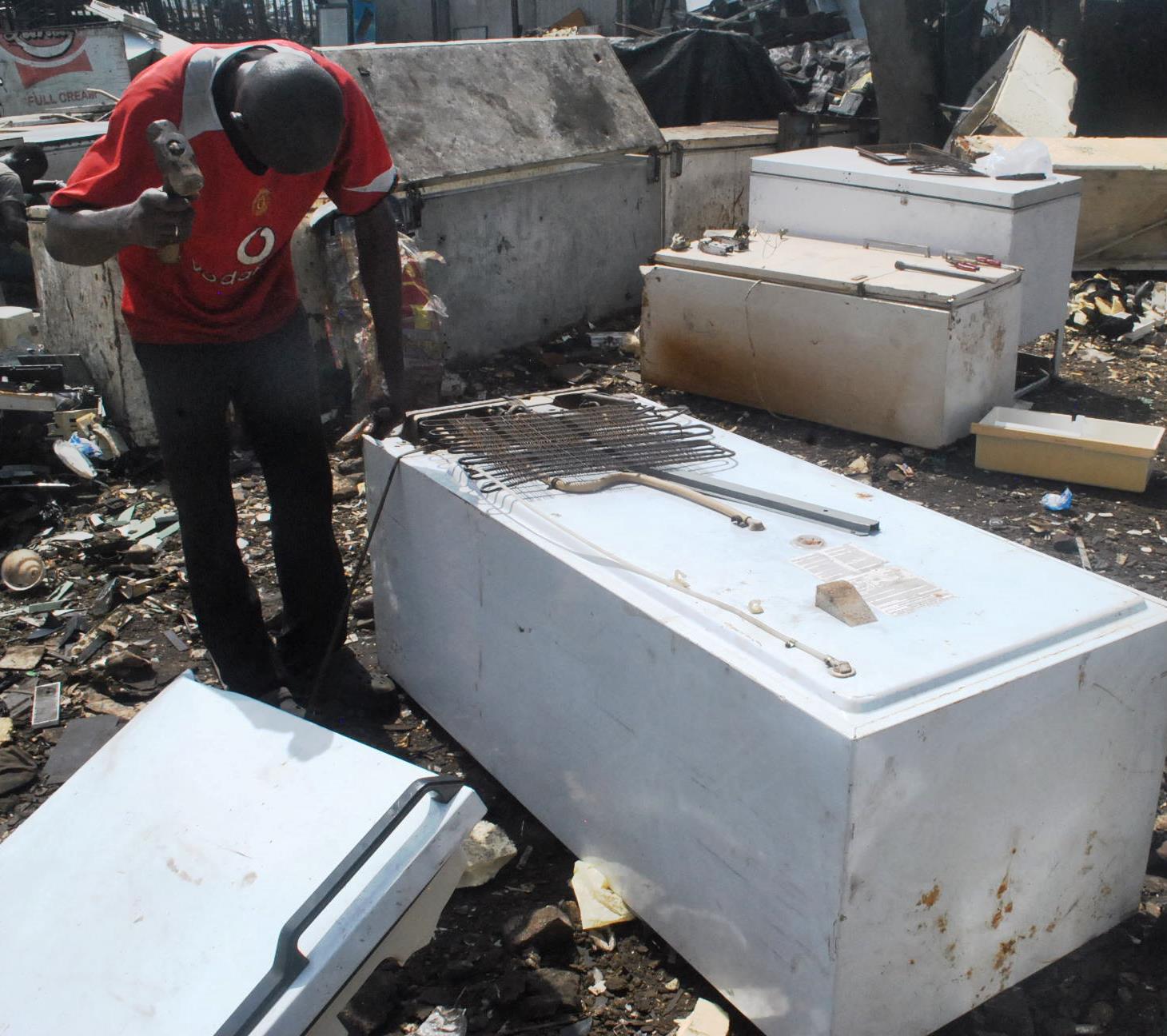
Zack is a young e-waste worker. He usually operates in the Agbogbloshie refrigerator trade: buying, selling, dismantling and selling again. The AMP team encountered him over 7 months ago and signed him on as a part of the AMP maker collective.

DSC_1094
Zack dismantling a refrigerator during the AMP workshop in Agbogbogbloshie

“Emeka” is a Nigerian migrant to Ghana. He owns and operates a shop out of Agbogbloshie. The shop is well stocked and has a CCTV camera which helps him secure his “goods”. Though the team had been to this side of Agbogbloshie, this was the first time we were meeting him in person.

What do all these people have in common? Computers!!

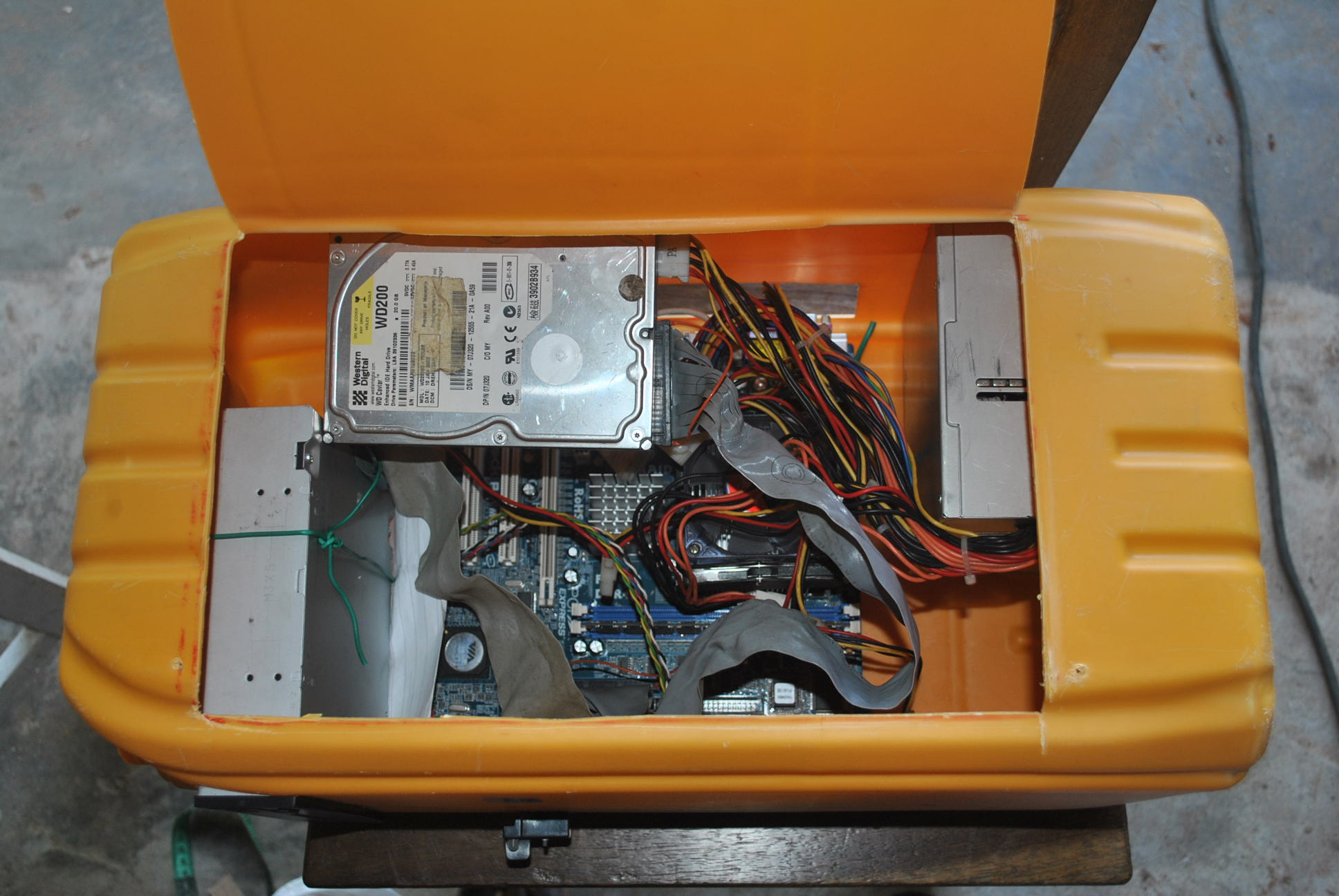
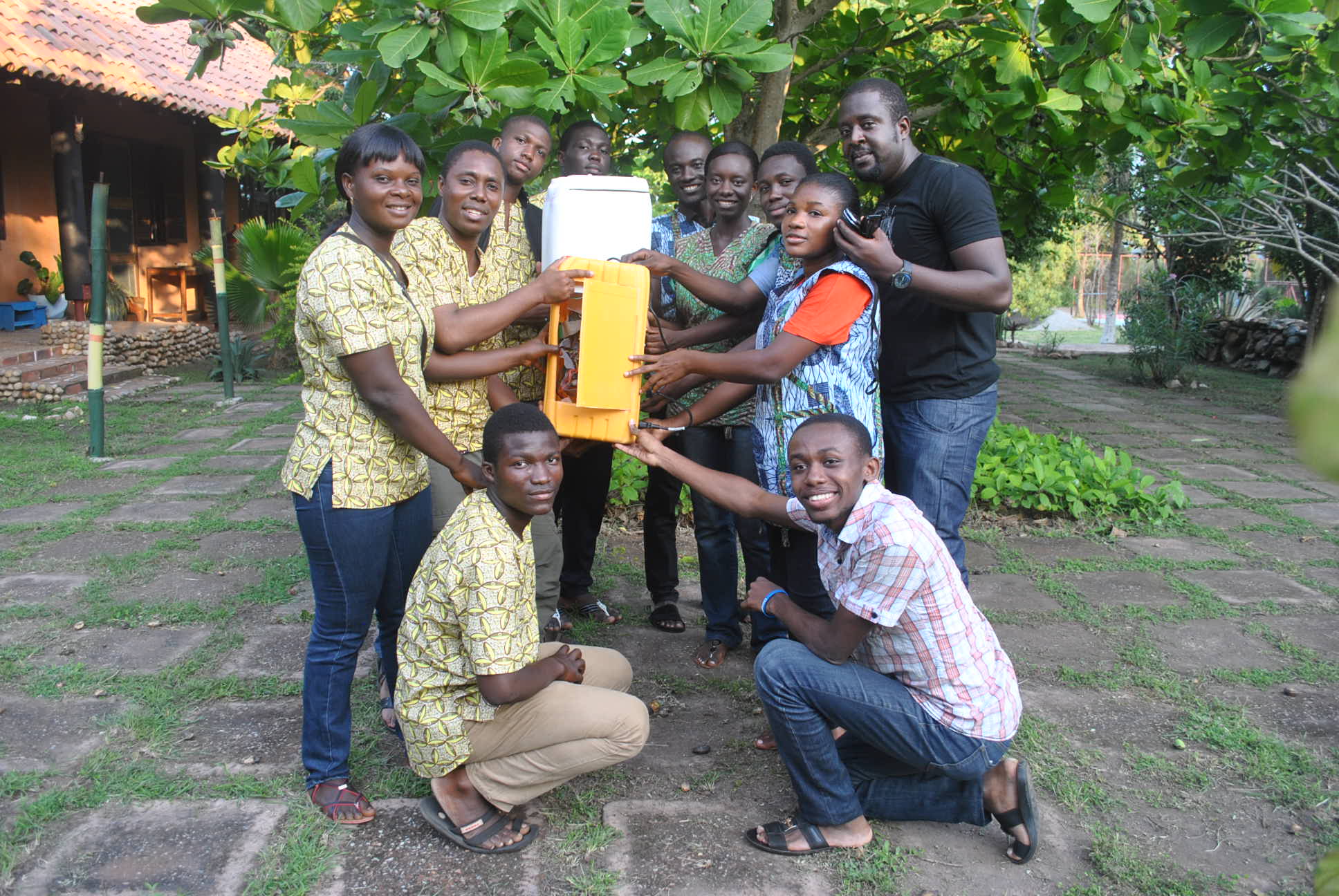
As part of the AMPQAMP at the Kokrobite Institute, AMP hackers and/or STEAM students and graduates, collaborated with hackers from the Woelab (Togo’s very active makerspace!) to build a Jerry. A Jerry is a computer that is made with parts from old computers assembled in a jerrycan. This workshop was significant, mainly due to the transfer of knowledge which occurred during the assembly process. As part of this highly didactic process, a team comprising makers from both AMP and Woelab visited Agbogbloshie.

Inside Agbogbloshie, the team first encountered a computer shop. It was well stocked and able to provide a wide range of old computer parts owned and run by Emeka. During the interviews and interaction with the e-waste workers in Agbogbloshie, the AMP team discovered that, Nigerians formed a critical part of the ecosystem in Agbogbloshie.  A network that virtually spans the entire globe.

Subsequently, the team met with Zack, an e-waste worker, who is part of the AMP maker collective. Several weeks earlier, the AMP team had discovered much to our surprise that Zack whom we knew only as an expert in the commerce and dismantling of old fridges in Agbogbloshie and who had helped us with our workshop in fridge disassembly, was also a self taught computer repairer. He was comfortable enough to ask us which parts we needed, and proceeded to test them for us by connecting each in turn to his personal computer. The level of fruitful interaction had with him, points to the phenomenal possibilities that a fully operational maker collective (comprising STEAM professionals and e-waste workers) in Agbogbloshie would unleash.

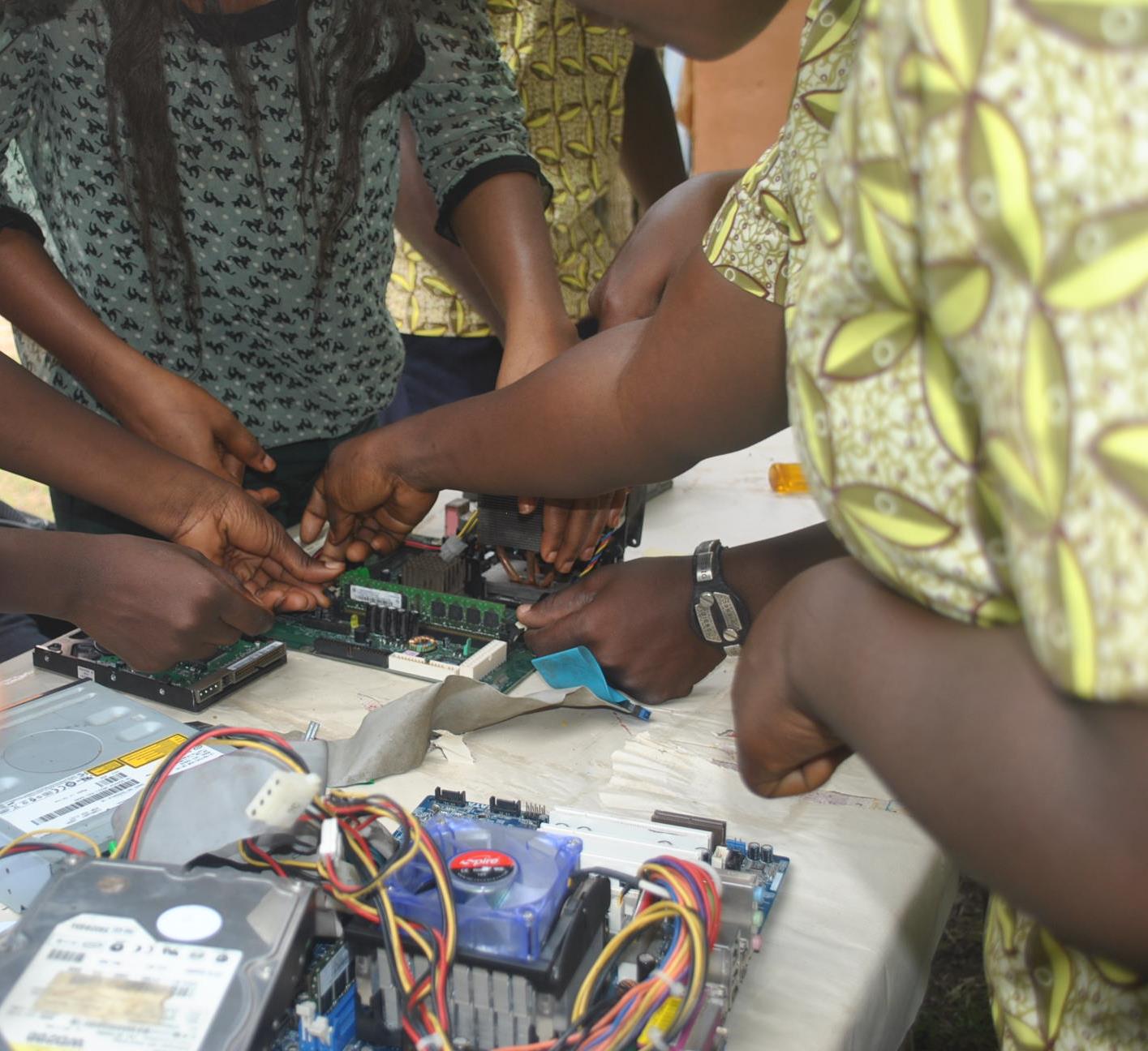
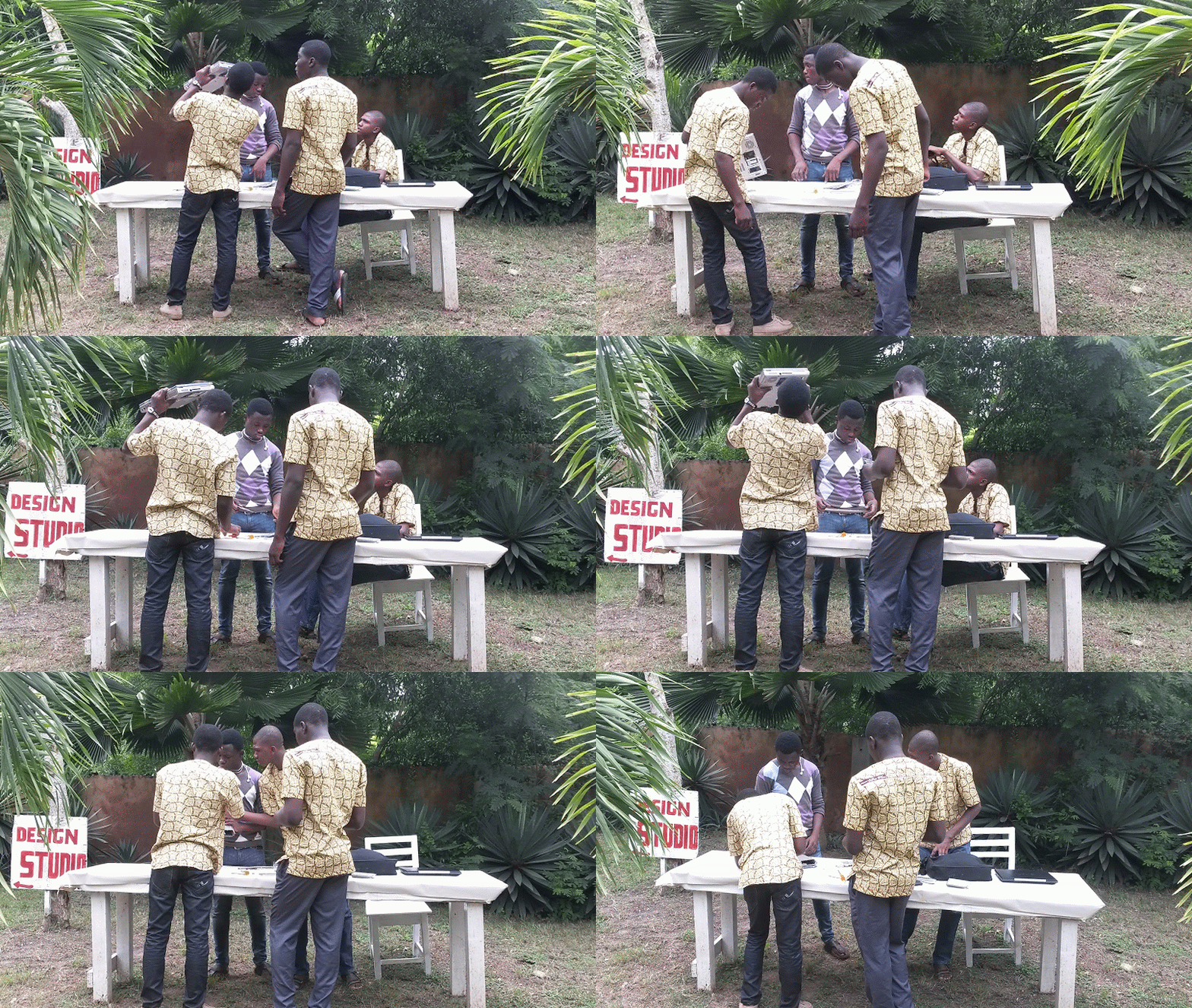
Back at the Kokrobite institute, the Woelab team, led by Rhode Audrey and Martine Pandam together with the AMP team led by Daniel started to assemble the Jerry computer.  We first produced schematic sketches and then marked out and cut the JerryCan. We then  placed the components:  first the mother board, then the hard drives, then the cables, the power pack and finally the CD-ROM. In all, it was a very exciting experience. The excitement has spurred the AMP team on to explore further design possibilities. The team is advancing ideas such as the solar JerryTop: recovered laptop parts in a Jerrycan powered by recovered solar cells.

DSC_0491
All hands on deck during Jerry computer workshop.

These we believe can serve as a means of providing cheap computers in rural areas and in deprived urban contexts and can go a long way to improve computer literacy in Ghana and Africa as a whole. This is one of those projects where hackers like Zack in Agbogbloshie and STEAM professionals like Daniel from the creativity group in KNUST (Kwame Nkrumah University of Science and Technology) could collaborate. In the few moments where language was a barrier, both teams communicated via the language of computers and making, which are both universal. Thanks to Yasmine (AMP co-pi) and Rejoice ( psychology intern and maker), such moments were minimized, as they took turns to translate.

In the end, there was a handing over ceremony where the team from Togo handed over the Jerry’s to the AMP team, signifying a transfer of technology.

DSC_0792
Internal arrangement of components in Jerry Computer
Laptop dissection - Daniel with Woelab crew
Laptop dissection – Daniel with Woelab crew
DSC_0887
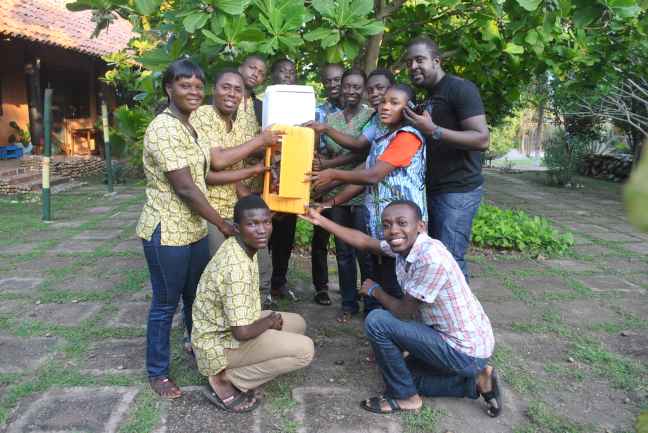
The transfer of the Jerrys from Woelab to AMP

#ampqamp14

#ampqamp14 ran June through August, 2014 at the Kokrobitey Institute, Hub Accra (now Impact Hub Accra) and the Agbogbloshie scrapyard, in collaboration with Togo’s Wɔɛlab. #ampqamp14 focused on M&D (Makers & Development, a practical hands-on approach to R&D) for the spacecraft, while #ampqamp15 focused on codesign of the AMP app.

#ampqamp @kokrobitey institute.team&-MOTION#ampqamp14 #woelabampqamp14 and woelab massive20140403_06293920140403_115111

Participants included:

Name Area of specialisation  Institution
Michael ACQUAH Physics University of Cape coast
Divine KWAME Communication design University of Cape coast
Maame Amma ANINKORA Physics University of Ghana
Rejoyce DOUMON Psychology University of Ghana
Louis BADOE Medicine University of Ghana
Nutifafa Yao DOUMON Teaching Assistant, Physics University of Ghana
Etornam AVOUGLA Graduate (Maths & Statistics) University of Ghana
Samuel AMOAKO-FRIMPONG Aerospace engineering Kwame Nkrumah University of Science & Technology
Daniel Henneh ADU Electrical engineering Kwame Nkrumah University of Science & Technology
Timothy AFFRAM Mechanical Engineering Kwame Nkrumah University of Science & Technology
Leonce Olorode ATANLEY Electrical Engineering Kwame Nkrumah University of Science & Technology
Martine PANDAM Maker WOELAB Togo
Kokou Dieudonnei AYEBUA Maker WOELAB Togo
Yannick MENSAH Maker WOELAB Togo
Rhodes O. AUDRE Maker WOELAB Togo
Kakatsi K.E. TEDO Maker WOELAB Togo
Lena KORSAH Designer Kokrobitey Institute
Natalie FORDWOR Programs Manager Kokrobitey Institute
Chamil MADHAWA Production Manager Kokrobitey Institute
Renee NEBLETT Art Education Kokrobitey Institute
Rafa FONT (Recyhub) Sustainable development Royal Holloway, University of London
Mawuena BANINI Architecture Central University College
Emmanuel Kusi OFORI-SARPONG Architecture Kwame Nkrumah University of Science & Technology
Kuukuwa MANFUL Architecture Kwame Nkrumah University of Science & Technology
Ivy ASUO Physics and Materials Science Kwame Nkrumah University of Science & Technology
Yasmine ABBAS Design & Architecture AMP co-founder
DK OSSEO-ASARE Design & Architecture AMP co-founder

A smokeless future for Agbogbloshie

In line with the intention to make tools for the remaking of the Agbogbloshie electronic landscape, the AMP team, in collaboration with Rafa Font of Recyhub, met at the Kokrobite institute to assemble the Hal Watts’ E-source– a man- powered copper cable shredder. The two day session commenced in high spirits with each person, contributing to the assembly. Slowly but surely, all the parts came together and the basic functions tested. At the end, a few observations were made about its applicability to Agbogbloshie, and these were recorded as notes for the designers to consider.

Hal Watt first design
Hal Watts’ first design of E-source.

First developed as a bicycle with cable shredding capabilities, this new prototype, still maintains the idea of pedaling as a means to power the machine. It however deviates from the initial literality of a bicycle. The design was inspired by the problem of burning copper cables in Agbogbloshie, which Hal visited, to gain firsthand experience of the situation. The AMP and Recyhub teams were joined by students from the college of engineering KNUSTs creativity group. These are engineering students with an interest in e-waste processing.

The AMP team started by unpacking and positioning the frame, and then the tubes for water were appropriately placed. The next in line was the turning wheel, which we placed in the part of the frame allocated for it. We then proceeded to hang the chains on the cassettes and connected it to the main shredder blades which sits at the centre of the frame. This was followed by the pedals which we bolted in place. After testing to see that the pedal functions as it should, we proceeded to install the processing trough and then tested once again to ensure that it moved when pedaled. We then adjusted the seat until it was in the right position and then bolted it. Following this, we placed the receptacle for the cables over the blades, filled a barrel with water and then proceeded to fill it with cables and began testing the entire set up.

The second prototype of the E-source assembled in Kokrobite by AMP and Recyhub

On the second day of the workshop, the function and assembly process were explained and tested further in collaboration with students from the Ashesi University, who were in Kokroite to engage in various forms of maker workshops. They found the experience thrilling and enthusiastically asked a lot of questions. Among the questions that came up were:

  • Is it possible to find a low energy way of mechanizing the system?
  • How easy or otherwise will it be for people in Agbogbloshie to assemble the machine themselves?
  • Will the volumes of cables shredded by the machine compare favorably with volumes currently processed in Agbogbloshie by means of burning?
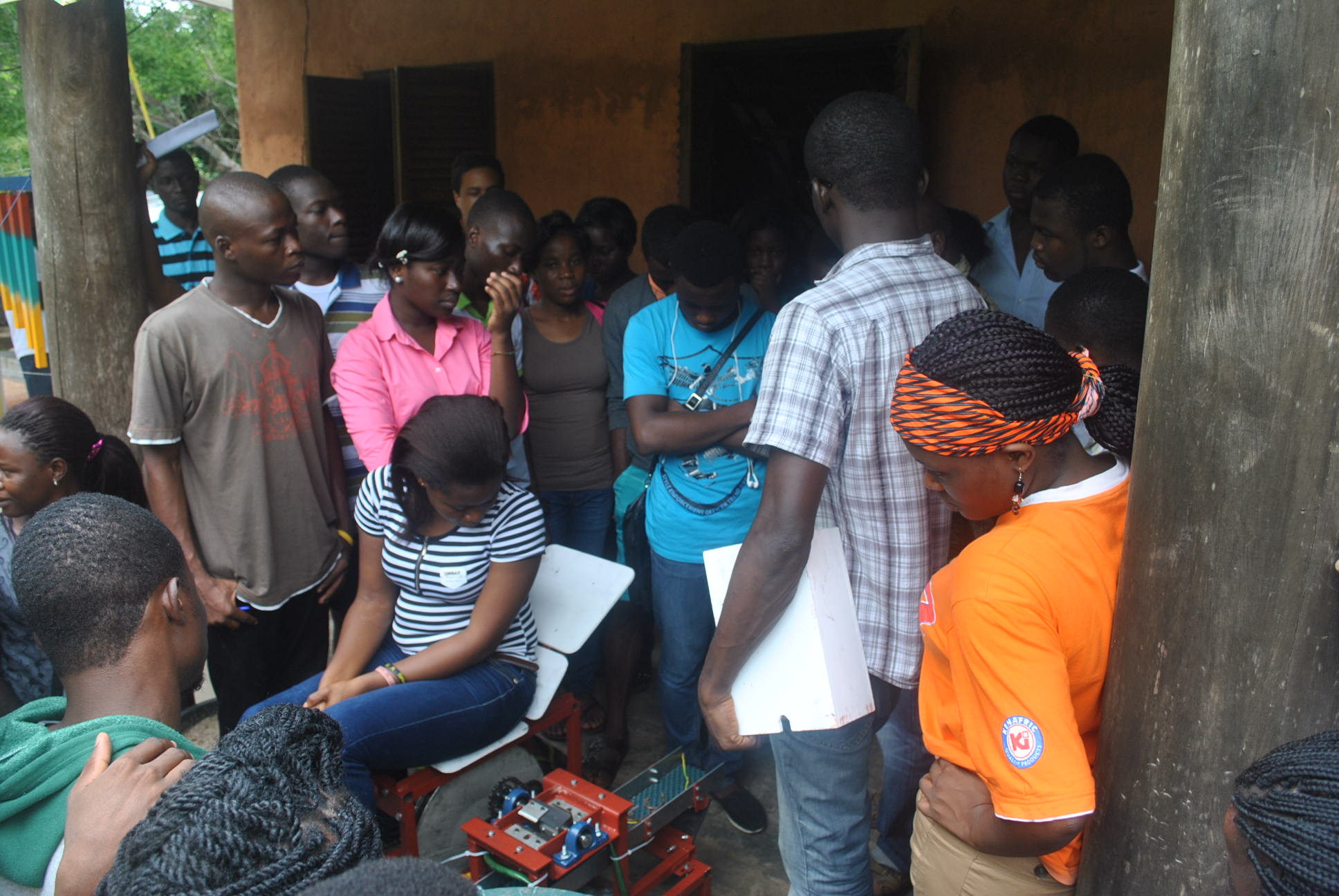
Students from Ashesi University learning about the Esource.

In terms of future steps, the AMP team hopes that, further studies in collaboration with stakeholders such as Recyhub,  the creativity group and Hal & Watt (inventors of the e-source) will help to advance this initiative until such a time that, all e-waste workers in Agbogbloshie have a version installed and the burning of cables no longer occurs.

See more pictures on Flickr

Archibots: Remaking Agbogbloshie (design workshop)

The AMP team guided Archibots: Remaking Agbogbloshie design participants through Agbogbloshie by first introducing them to the the executives of the scrap dealers’ association. We proceeded through Rauf’s shop, where large volumes of refrigerators are processed, to the National Youth Authority Building, through dismantling and processing sites, past the areas where copper cables are burnt and all the way to the plastics recycling sector near the International Central Gospel Church.

Back to Hub Accra (thanks for hosting us!), the fun could begin! After hearing a brief introduction about AMP (DK Osseo-Asare, AMP co-PI) and the objectives of the design workshop (Juliet Sakyi, TAP: Build founder), participants brainstormed about possible architecture robots for Agbogbloshie and its population. Sam Yusuf, who hails from Agbogbloshie and currently works with AMP on interviews and GPS mapping, also attended in order to share some of the ideas with informal sector community. MESH has prepared a video showing highlights of the event.

Smokeybot team, brainstorming.
Powersuit team presenting their work
Powersuit team discussing their work
Solarbot team presenting their work
Smokeybot team presenting their work

IMG_9596

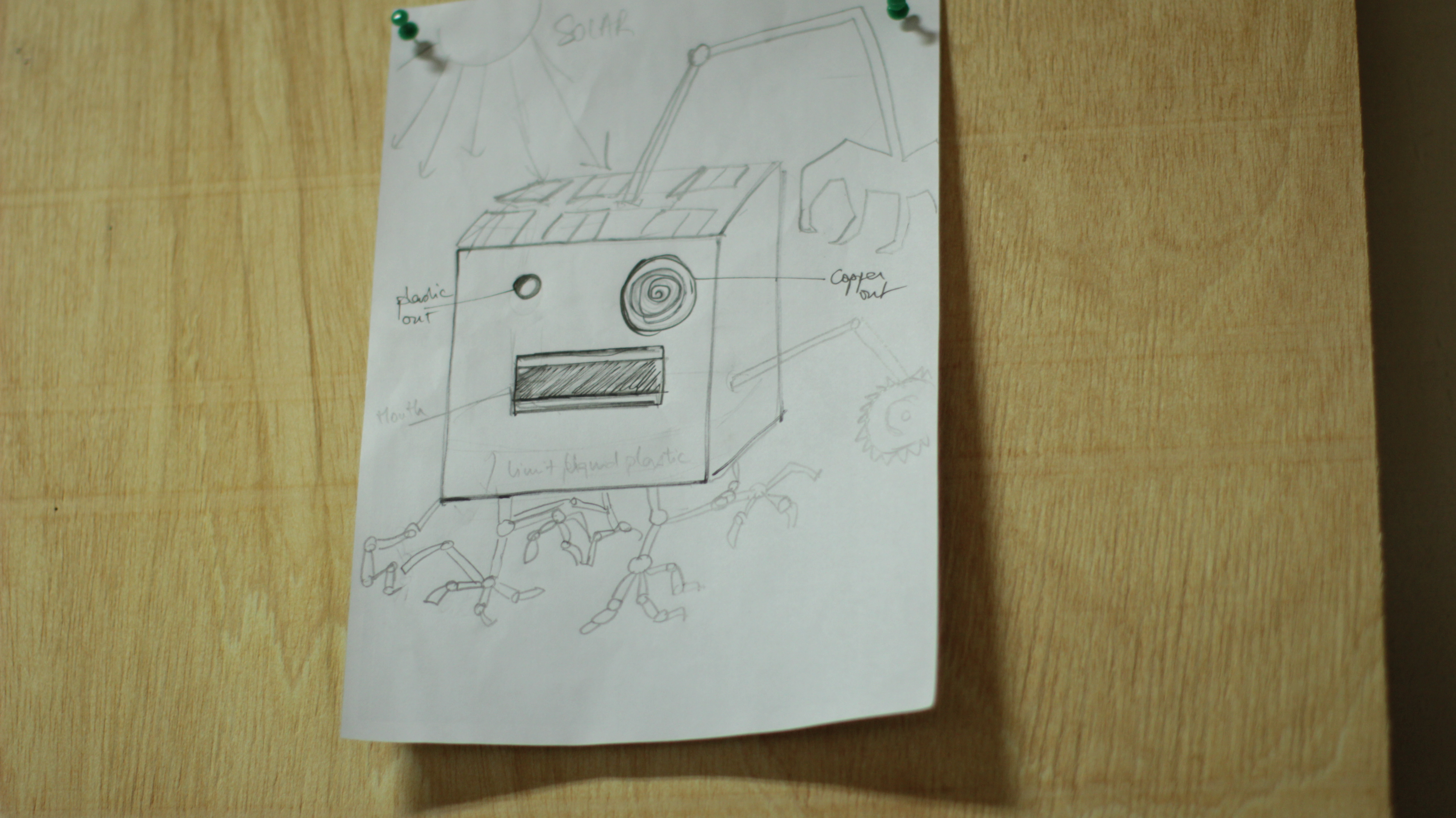
Amongst the multitude of ideas that emerged, participants chose to pursue investigating the following: SMOKEYBOT – a robot that reduces the smoke in Agbogbloshie by grinding and processing copper wires ; SOLARBOT – a mobile tent, with a capacity to harvest solar energy, detect light and intelligently self adjust to provide conducive working environments ; SPIDERBOT – a zoomorphic robot with the ability to collect, transport and process large volume of e -waste at a time and a POWERSUIT – an apparel for humans, with the capacity to read, interpret and transmit biological data to the wearer, boost physical performance and contain computing capacity.


Teams self-organized once more to each tackle one of the 4 ideas selected. In the future a swarm of similar architecture robots could be used to terraform the electronic landscape…

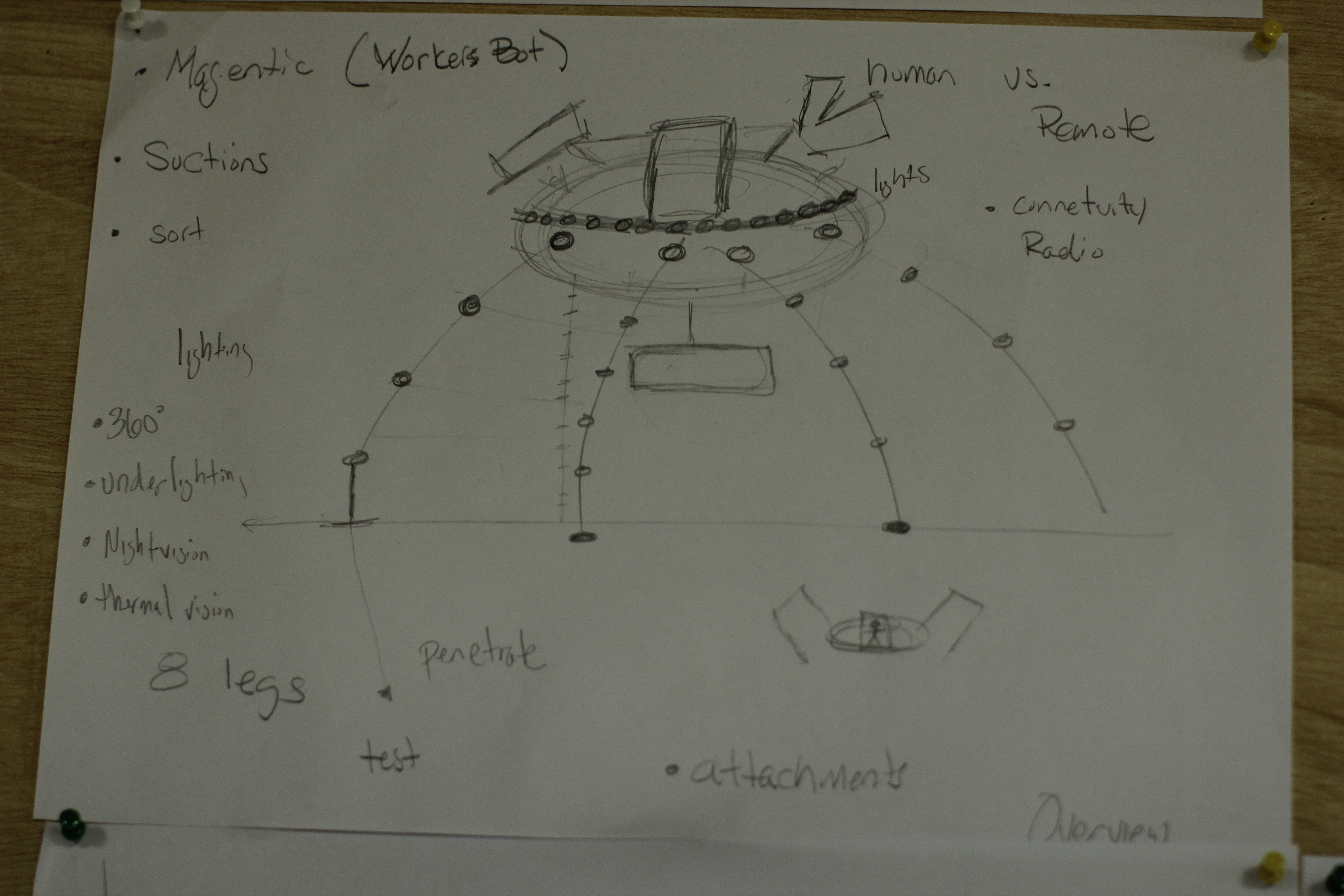
A sketch of Powersuit
A sketch of Smokeybot
A sketch of Solarbot
A sketch of Spiderbot

So the adventure isn’t finished yet… Participants have expressed their interest in following-up with M&D – Making and Development. AMP is actually formalizing a 3 week summer workshop, so stay tuned!

The turnout was awesome and we thank all participants for coming and our partner organisations MESH and Tap for their support and contributions.

_MG_9619
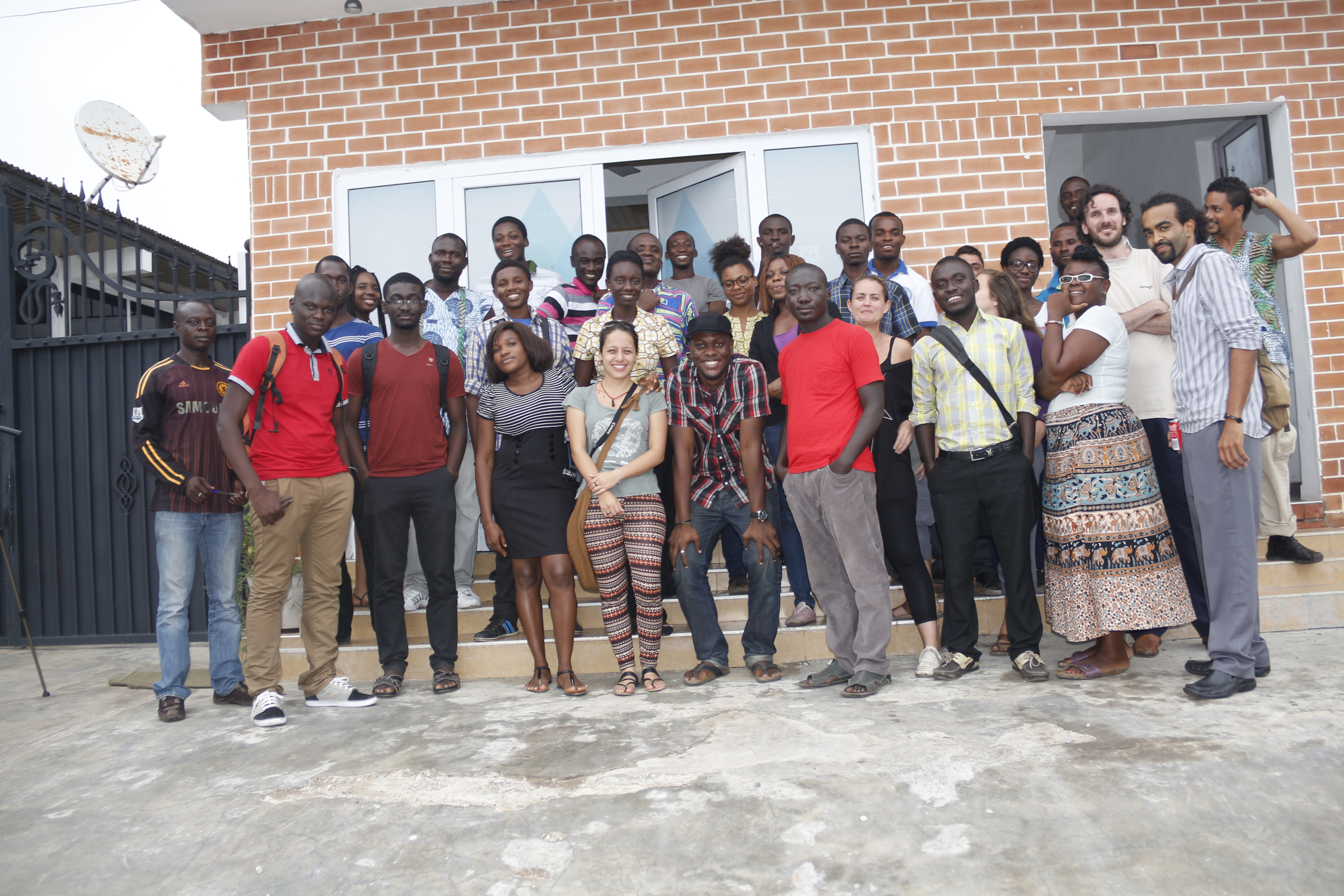
Post event group photograph

Call for Summer Internships

Are you interested in technology? Do you like making things? Does environmental pollution bother you? Have you ever imagined the future as something awesome?

Are you a student or recent graduate in the fields of science, technology, engineering, art, mathematics, planning, architecture and design, or environment and natural resources?

Apply today to be a part of this year’s AMP QAMP, a three-week camp for young makers in Accra.

qamp-poster

Agbogbloshie Makerspace Platform (AMP) is a collaborative project to upgrade the quality of life and environment at Agbogbloshie, the largest e-waste ecosystem in Ghana. AMP is an experiment in design innovation and youth-led M&D (makers & development). The short-term goal is to design and build a makerspace for the hyper-local context of Agbogbloshie, together with an open-source technology platform to support its operation. The long-term goal is to rehabilitate the environment of Agbogbloshie and to help green the community’s current recycling practices. We believe this can happen through the site’s transformation into a network for more advanced materials processing and small-scale distributed manufacturing. AMP as a open-source project seeks to create an alternate convention that partners e-waste, scrap and recycling industry with the technical know-how and social entrepreneurial framework to remake the landscape themselves, over time.

AMP contends that (domains of) architecture and electronics have converged. At such a moment—if we capitalize on this opportunity to make open, democratic and collective the capability of manipulating materials from the level of chemistry up, by means of digital technology, we can move beyond the notion of “e-waste”. Electrical and electronic equipment (EEE or 3E)—old or new—constitute a vital stream of raw material for the global production chain. Not only are such 3E-materials in reality the physical building blocks of electronic landscapes and digital space, but many are also recyclable, i.e. plastics, steel, aluminium, copper, glass or other valuable materials. If successful, AMP will amplify the economic potential of Agbogbloshie and Ghana’s makers.

AMP QAMP is a series of informal maker “camps” to build the future of Agbogbloshie. The primary session of QAMP for 2014 runs from the 1st to the 20th of July in Accra, Ghana.

Participants will work collaboratively as part the AMP makers collective to address key aspects of building an ecology of makers in and around the Agbogbloshie e-waste stream, from the ground up. We are interested in young people who are proactive, intellectually curious, open-minded, imaginative, detail-oriented and able to work in teams.

If interested, please submit a cover letter to qampnet@gmail.com by June 30th including the following information: Area of Specialization / Course of Study (year of graduation); Digital Media and Graphics Software (with level of proficiency); CAD/CAM and 3D Modeling Software (with level of proficiency); Programming Languages (with level of proficiency); and Fabrication Experience (sewing, cabinetry, furniture-making, jewellery, glass-blowing, welding, circuit board etching, breadboarding, etc.) Short-listed candidates will be scheduled for in-person interviews starting the week of June 23, 2014.

Archibots: Re-making Agbogbloshie (intro session)

The first session of the Archibots workshop came off as scheduled on the May 30th 2014. The event was well attended by people from various disciplinary backgrounds. There were engineers, architects, CAD technicians, business men & women and lecturers as well as from various nationalities, such as Spain and the Netherlands. This was the introductory session for Archibots, a design workshop to prototype architecture robots for Agbogbloshie.  As part of the event, all three collaborating organizations (tap, AMP and MESH) made presentations on what they do. AMP co-lead DK Osseo-Asare, introduced participants to Agbogbloshie E-waste circuitry, which is the context for the architecture robots to be designed and the key design concepts as far as AMP is concerned. Some of the videos that were selected to provide inspiration for participants can be found here . The team is eagerly awaiting the next phase which is the design session scheduled for June 7th 2014 at Hub Accra. This promises to be just as exciting as the May 30th event. Thanks to our friend and ally, media partners MESH Ghana for compiling footage of the event, which can be found at Archibots: Remaking Agbogbloshie.

archibots-workshop-1-MOTION