
L’Africaine d’Architecture and WɔɛLab have published the work of ArchiCAMP 2013. Fascinating implications for Africa’s retro-future, DIY and hacker culture.

From the jury statement:
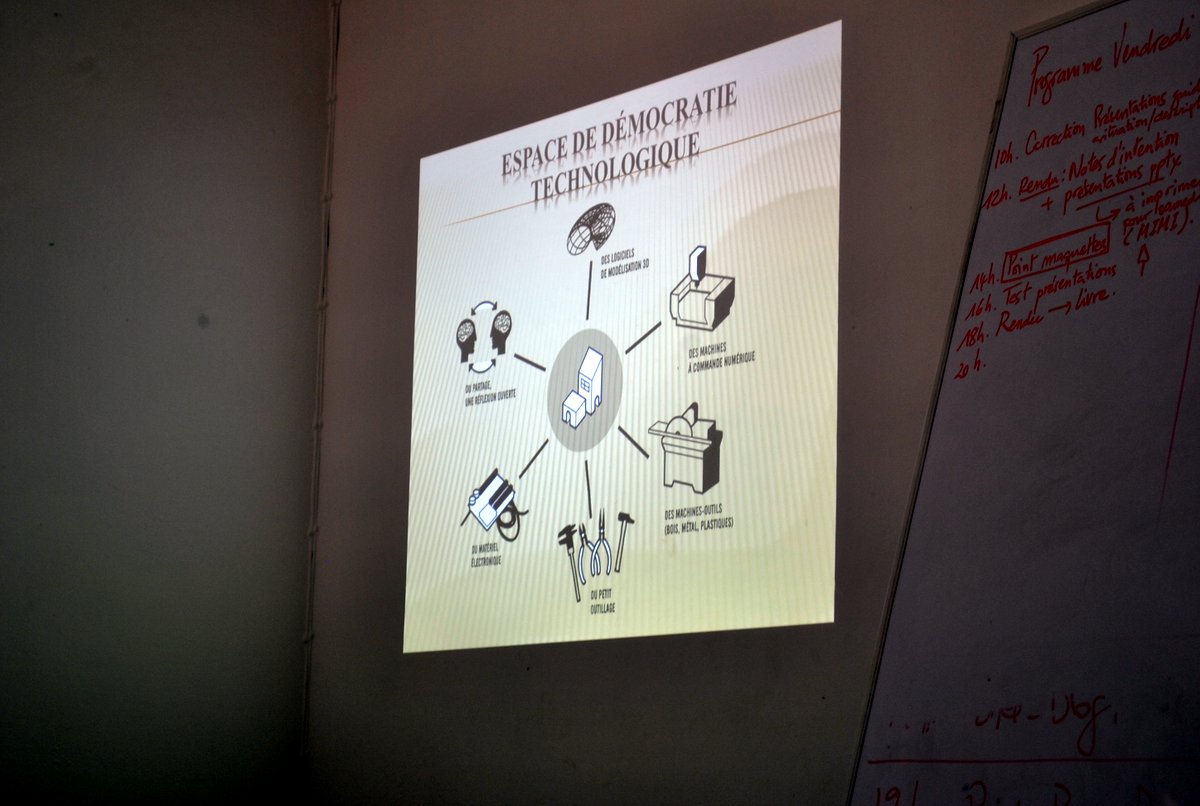
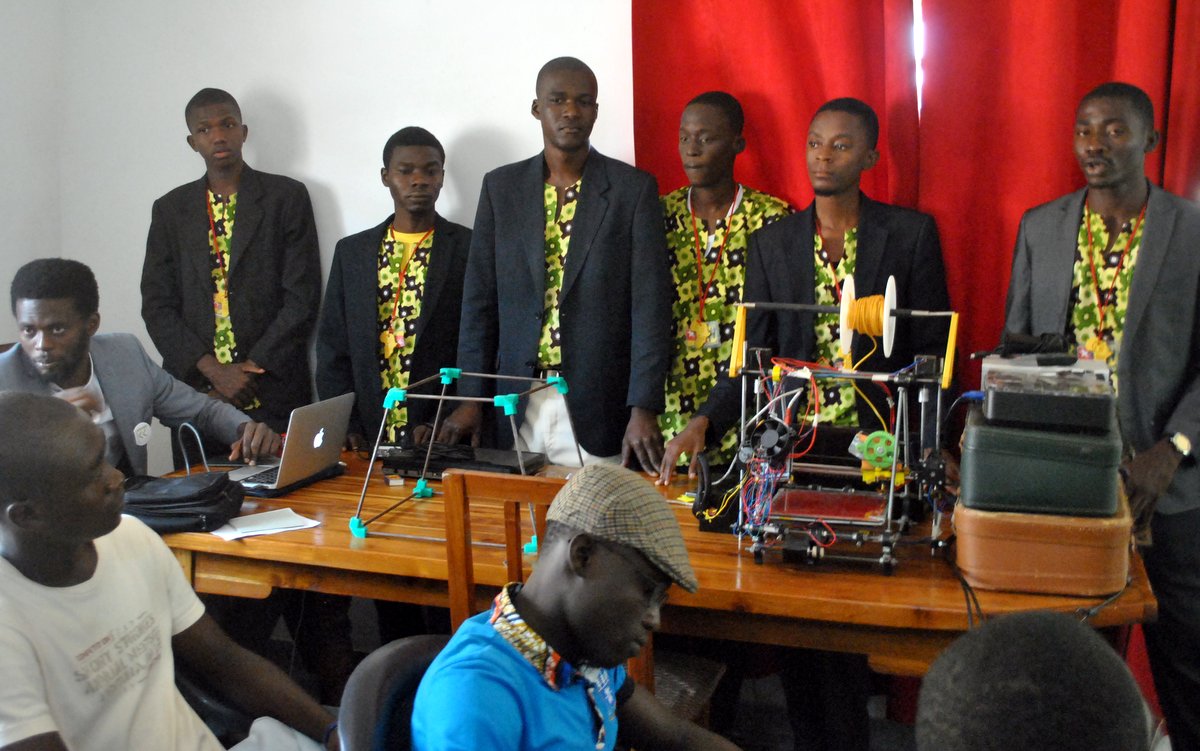
The entire group deserves citation for this initiative to empower people to transform their living environment through technology. The results of this year’s Archicamp –– built on the conceptualization of a year ago, and building toward actualization one year hence –– validate the model, supported by Woelab, of an African urban environment which brings together traditional knowledge and the ethics of hacker culture.
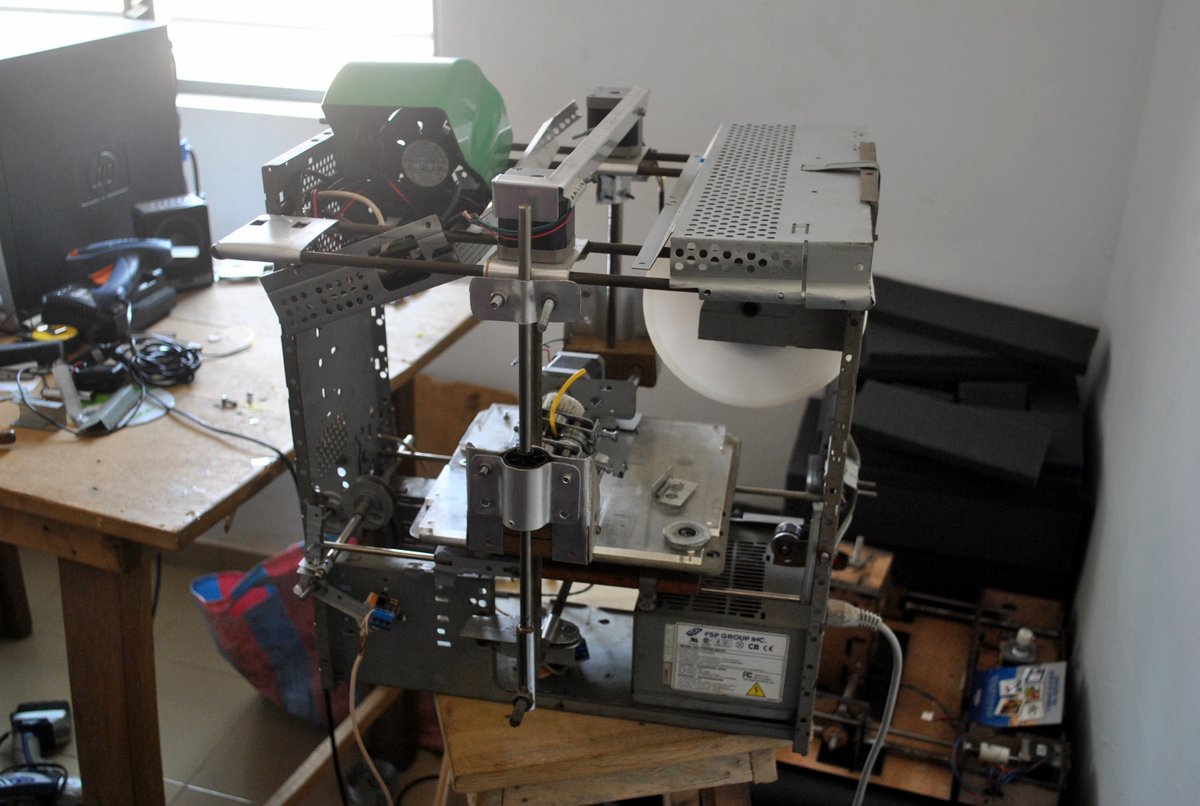
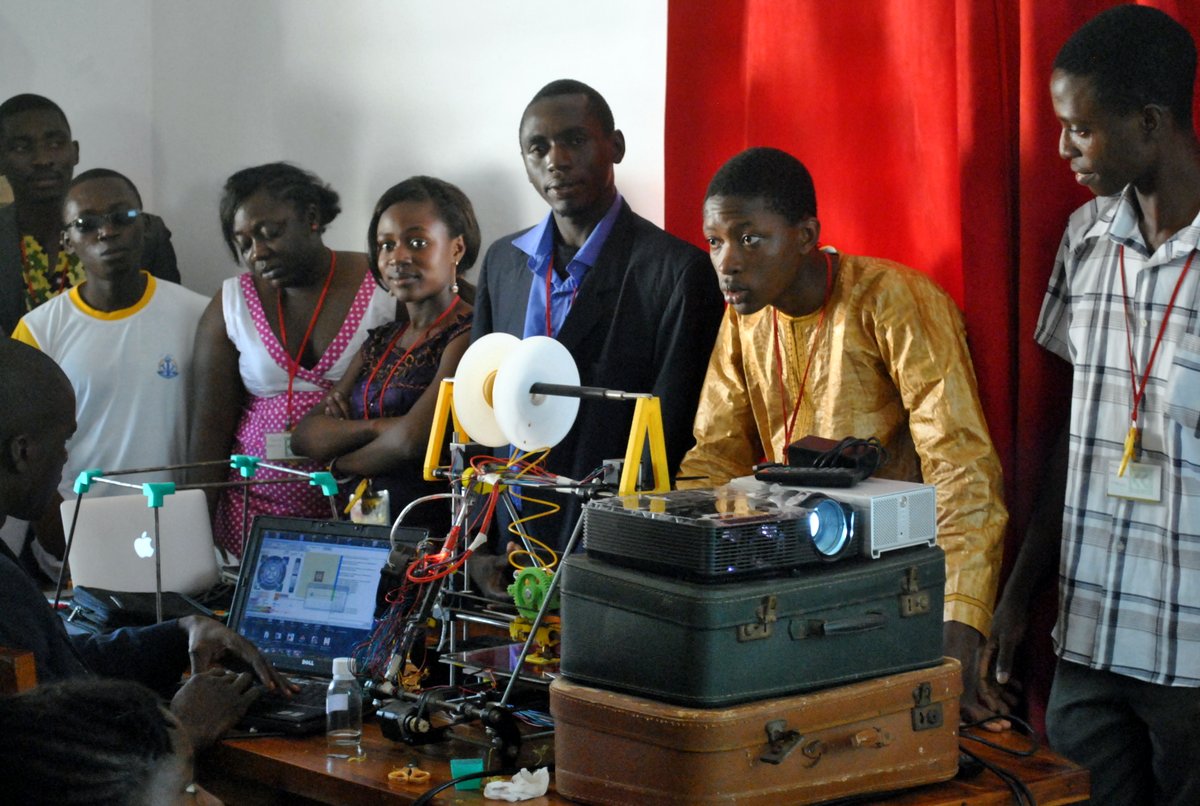
We applaud your dedication to the project of organizing youth in a pan-African context to meld craftsmanship with locally-fabricated tools for the digital age. We commend l’Africaine d’Architecture for the Hub Cité initiative and its visionary effort to show the transformative power of “low-high tech”. The level of production and quality of architectural concepts presented by all three groups, at the conclusion of the three weeks-long collaboration of this year’s Archicamp, deserves special mention…
…As the participants and organizers of Archicamp 2013 look forward to building the first node of Hub Cite next year, we recommend taking the best ideas of all three projects and (re)combine them at smaller scale. In our estimation, the greatest strength of the initiative is that it seeks to produce an urban interface that connects people with technology, in order to amplify their interaction with(in) the city. Thus it is critical not only to scale individual architectural interventions correctly, but also to maintain the larger vision of reprogramming the entire city: Ultimately, the project is “global” in that it should be able to unfold simultaneously across many sites in Lome and beyond. If the goal, then, is to make manifest a popularly digital urban environment, then leveraging the power of demonstrating technology, “weaving” architecture, making “nets” and integrating architecture and landscape should prove ground-breaking.
As the jury of Archicamp 2013, we propose that along-side the twin pillars of culturally-informed craftmanship (art of making) and socially-conscious hacker ethics (make better and share how), next year’s initiative can most gain from this year’s by calibrating prototypes to the size of micro-architecture conceived as open-source electronic devices. We contend that the Hub Cite project is profoundly important for Togo, West Africa and the continent at large –– and eagerly anticipate the pan-African retro-future that Archicamp continues to realize.







 AMP
AMP 