
Codesigned by: #ampqamp14
Codesigned by: #ampqamp14
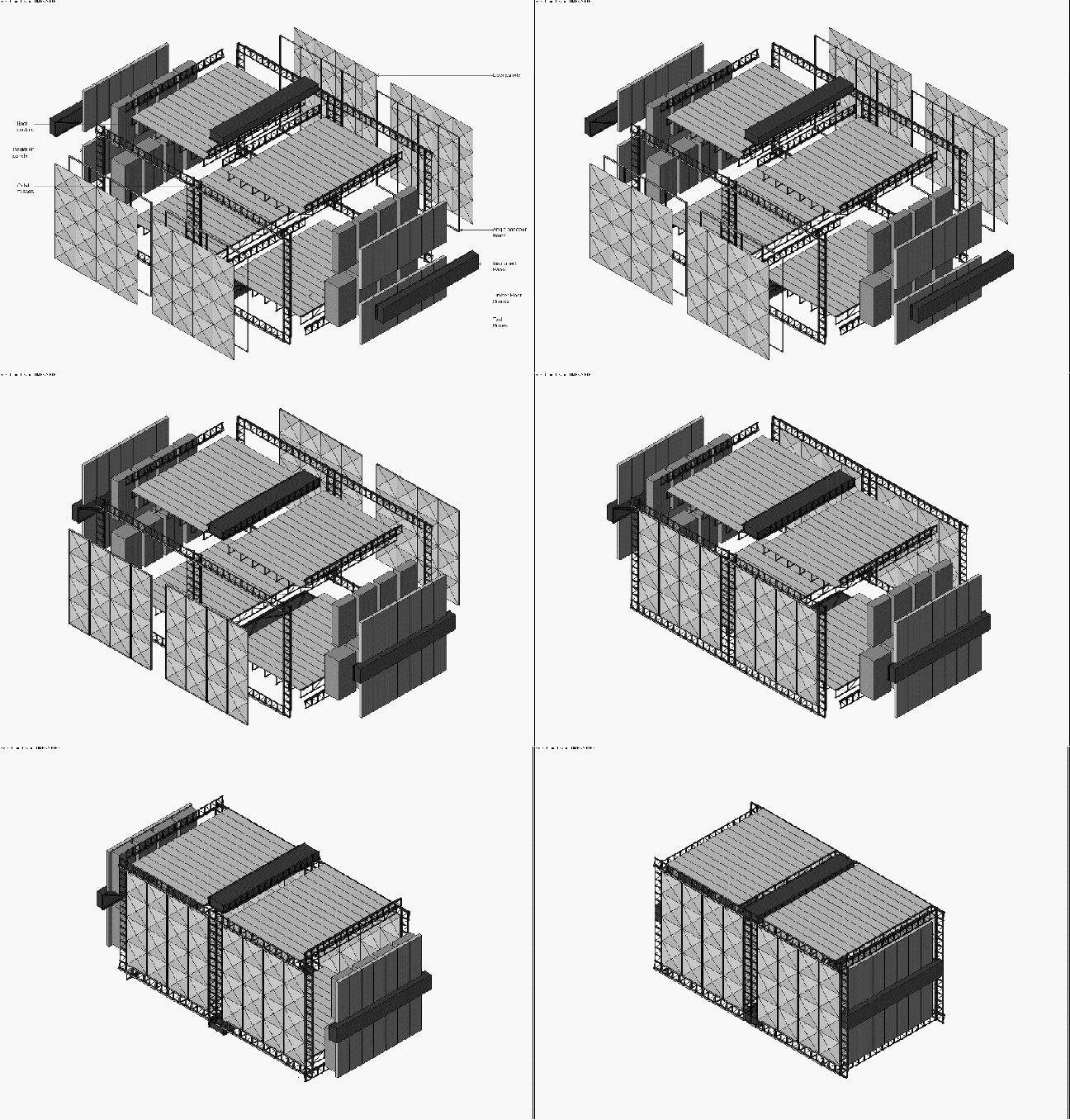
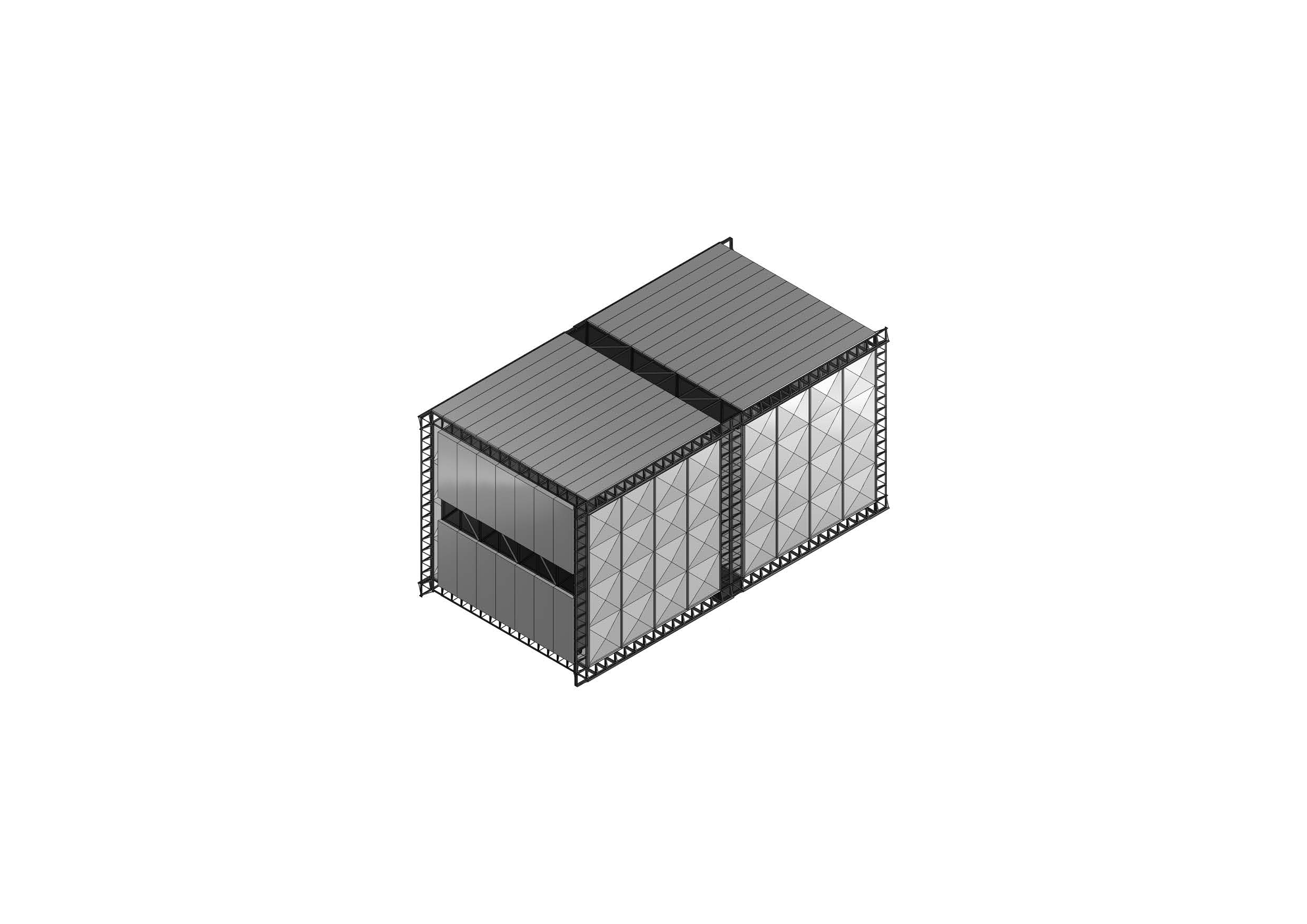
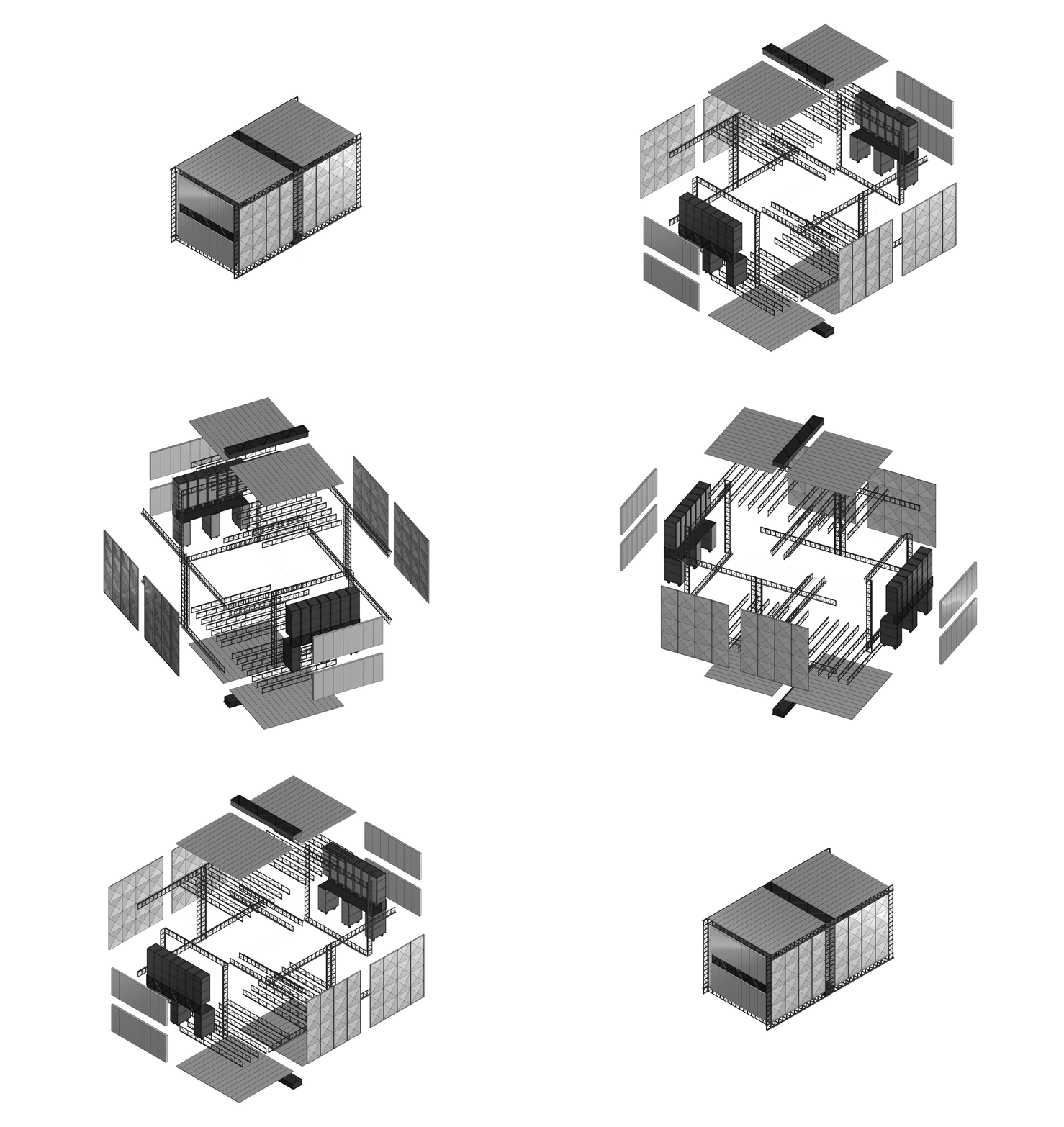
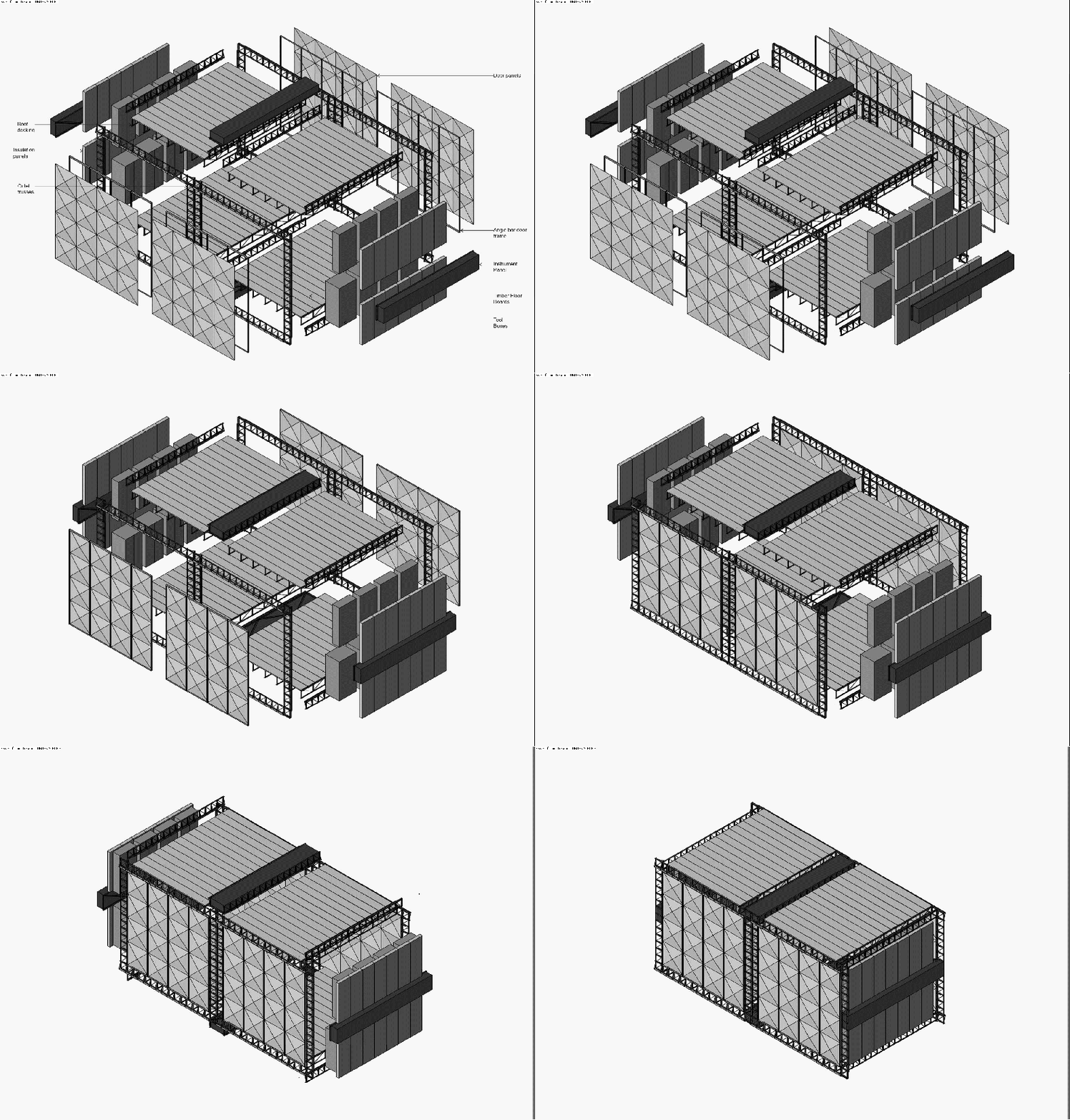

#ampqamp14 ran June through August, 2014 at the Kokrobitey Institute, Hub Accra (now Impact Hub Accra) and the Agbogbloshie scrapyard, in collaboration with Togo’s Wɔɛlab. #ampqamp14 focused on M&D (Makers & Development, a practical hands-on approach to R&D) for the spacecraft, while #ampqamp15 focused on codesign of the AMP app.


Participants included:
| Name | Area of specialisation | Institution |
| Michael ACQUAH | Physics | University of Cape coast |
| Divine KWAME | Communication design | University of Cape coast |
| Maame Amma ANINKORA | Physics | University of Ghana |
| Rejoyce DOUMON | Psychology | University of Ghana |
| Louis BADOE | Medicine | University of Ghana |
| Nutifafa Yao DOUMON | Teaching Assistant, Physics | University of Ghana |
| Etornam AVOUGLA | Graduate (Maths & Statistics) | University of Ghana |
| Samuel AMOAKO-FRIMPONG | Aerospace engineering | Kwame Nkrumah University of Science & Technology |
| Daniel Henneh ADU | Electrical engineering | Kwame Nkrumah University of Science & Technology |
| Timothy AFFRAM | Mechanical Engineering | Kwame Nkrumah University of Science & Technology |
| Leonce Olorode ATANLEY | Electrical Engineering | Kwame Nkrumah University of Science & Technology |
| Martine PANDAM | Maker | WOELAB Togo |
| Kokou Dieudonnei AYEBUA | Maker | WOELAB Togo |
| Yannick MENSAH | Maker | WOELAB Togo |
| Rhodes O. AUDRE | Maker | WOELAB Togo |
| Kakatsi K.E. TEDO | Maker | WOELAB Togo |
| Lena KORSAH | Designer | Kokrobitey Institute |
| Natalie FORDWOR | Programs Manager | Kokrobitey Institute |
| Chamil MADHAWA | Production Manager | Kokrobitey Institute |
| Renee NEBLETT | Art Education | Kokrobitey Institute |
| Rafa FONT (Recyhub) | Sustainable development | Royal Holloway, University of London |
| Mawuena BANINI | Architecture | Central University College |
| Emmanuel Kusi OFORI-SARPONG | Architecture | Kwame Nkrumah University of Science & Technology |
| Kuukuwa MANFUL | Architecture | Kwame Nkrumah University of Science & Technology |
| Ivy ASUO | Physics and Materials Science | Kwame Nkrumah University of Science & Technology |
| Yasmine ABBAS | Design & Architecture | AMP co-founder |
| DK OSSEO-ASARE | Design & Architecture | AMP co-founder |
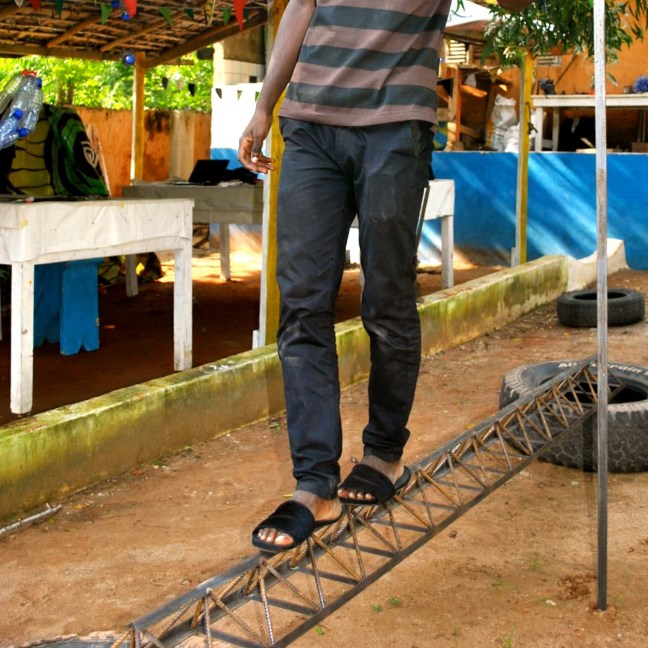
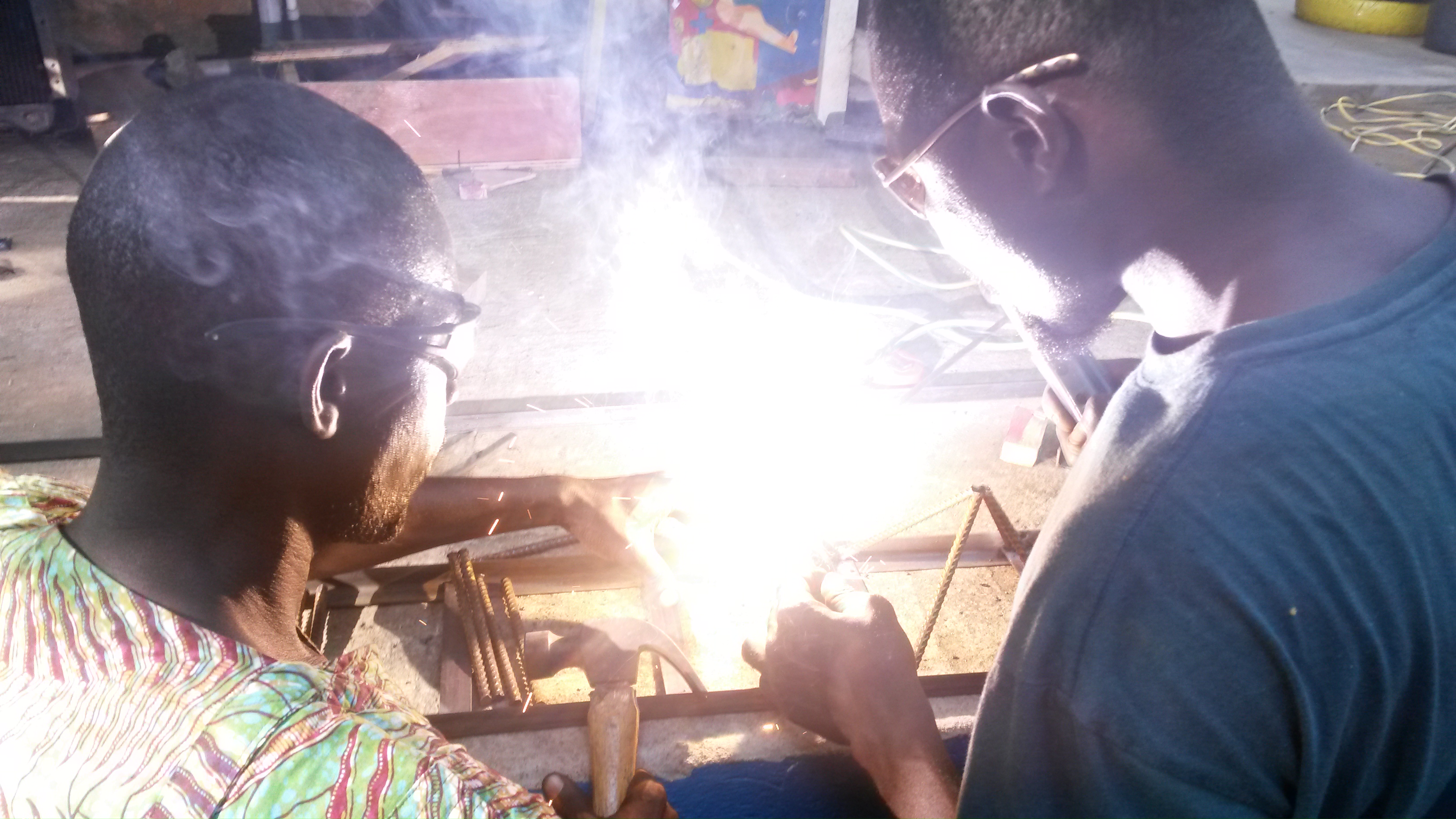
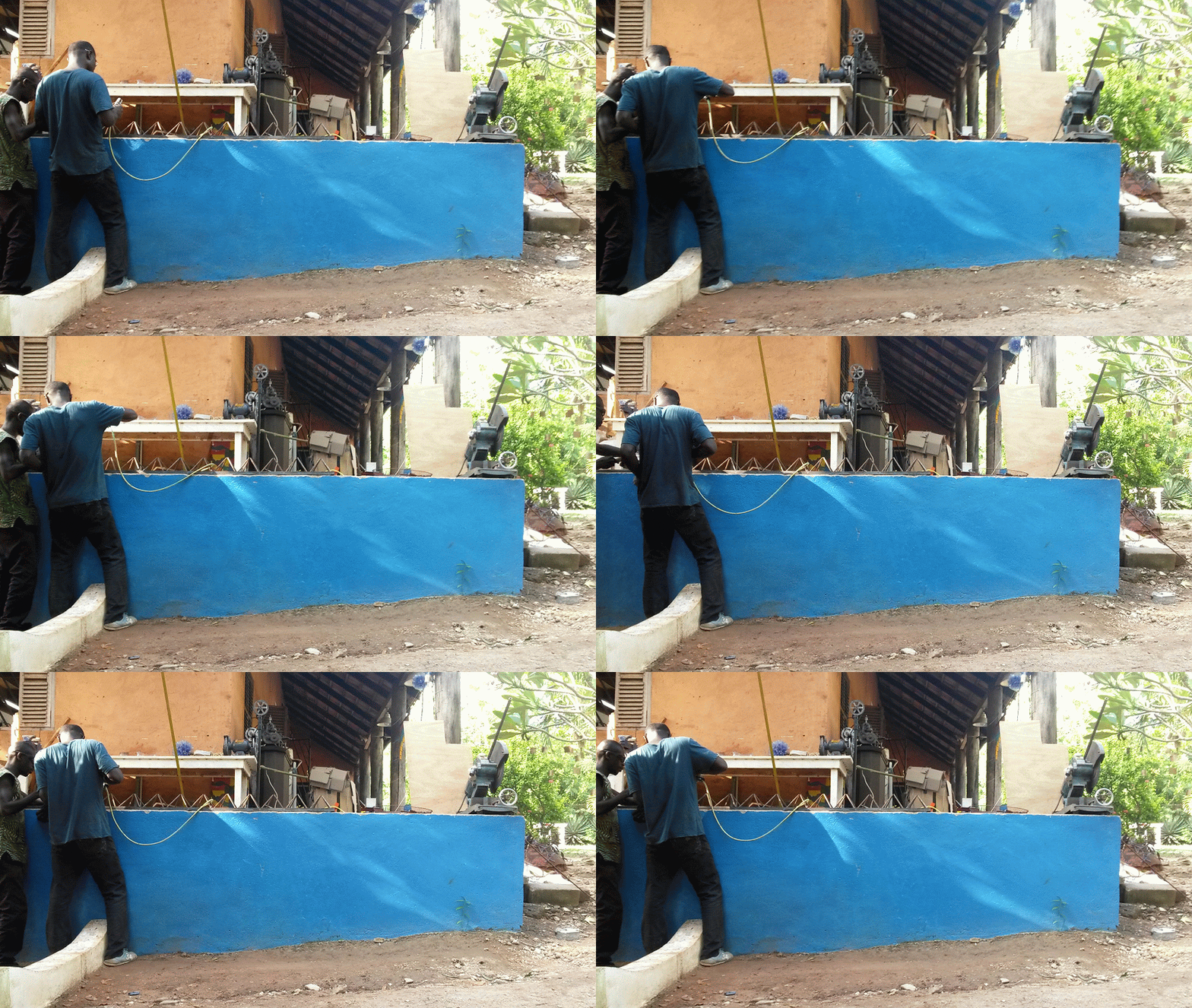
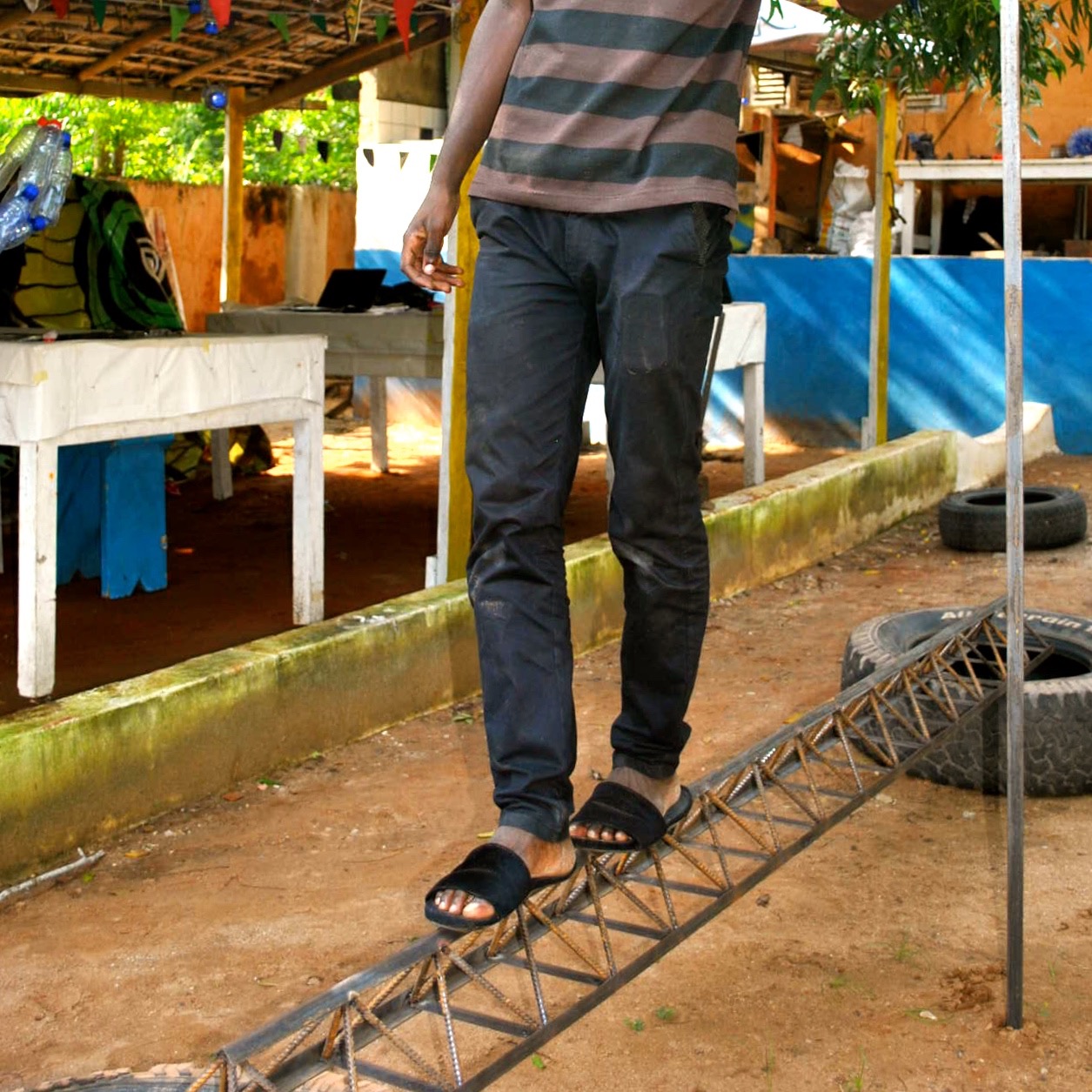
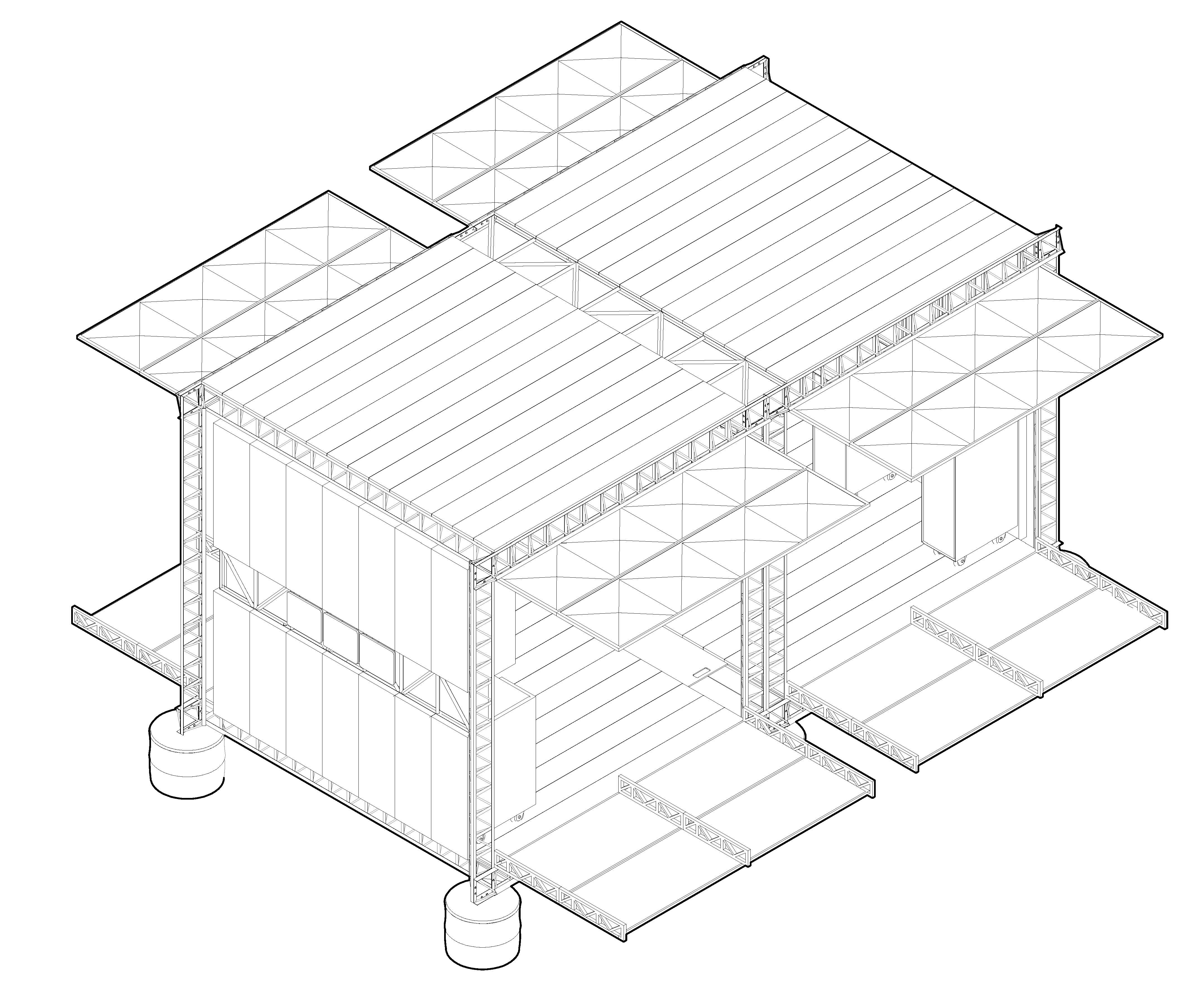
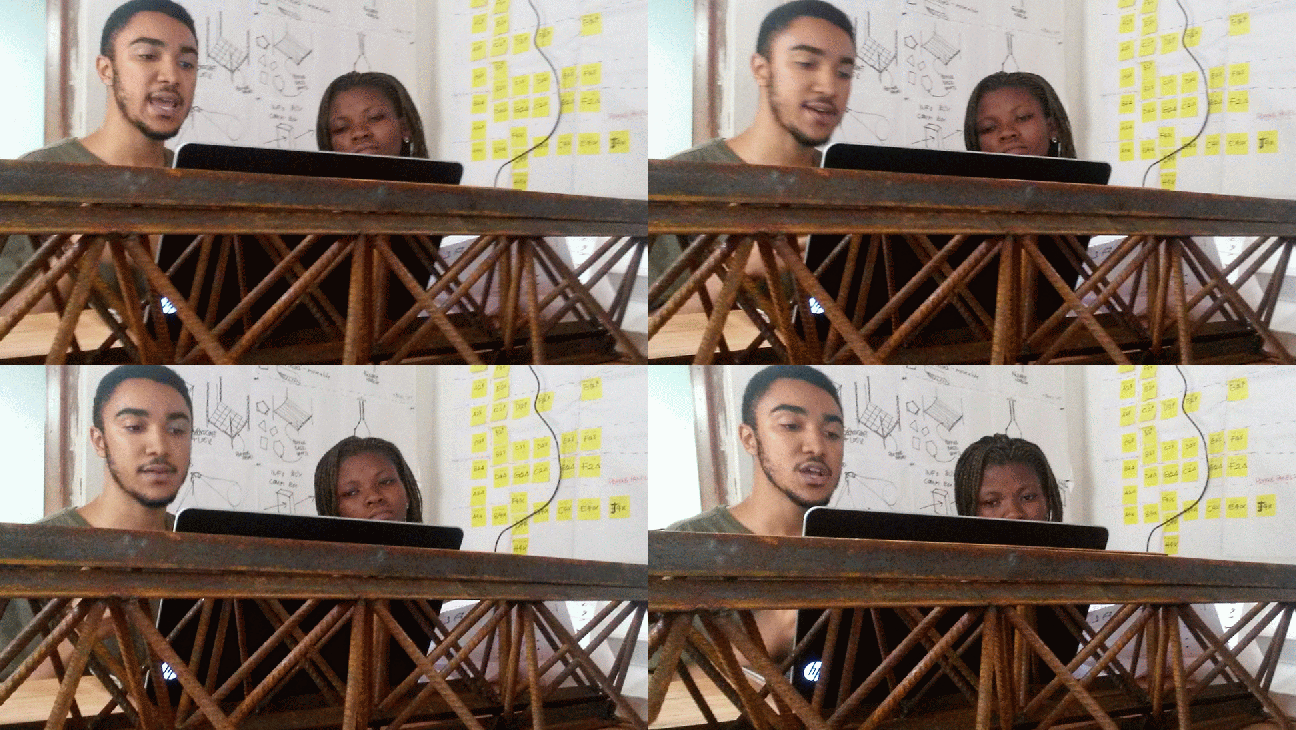
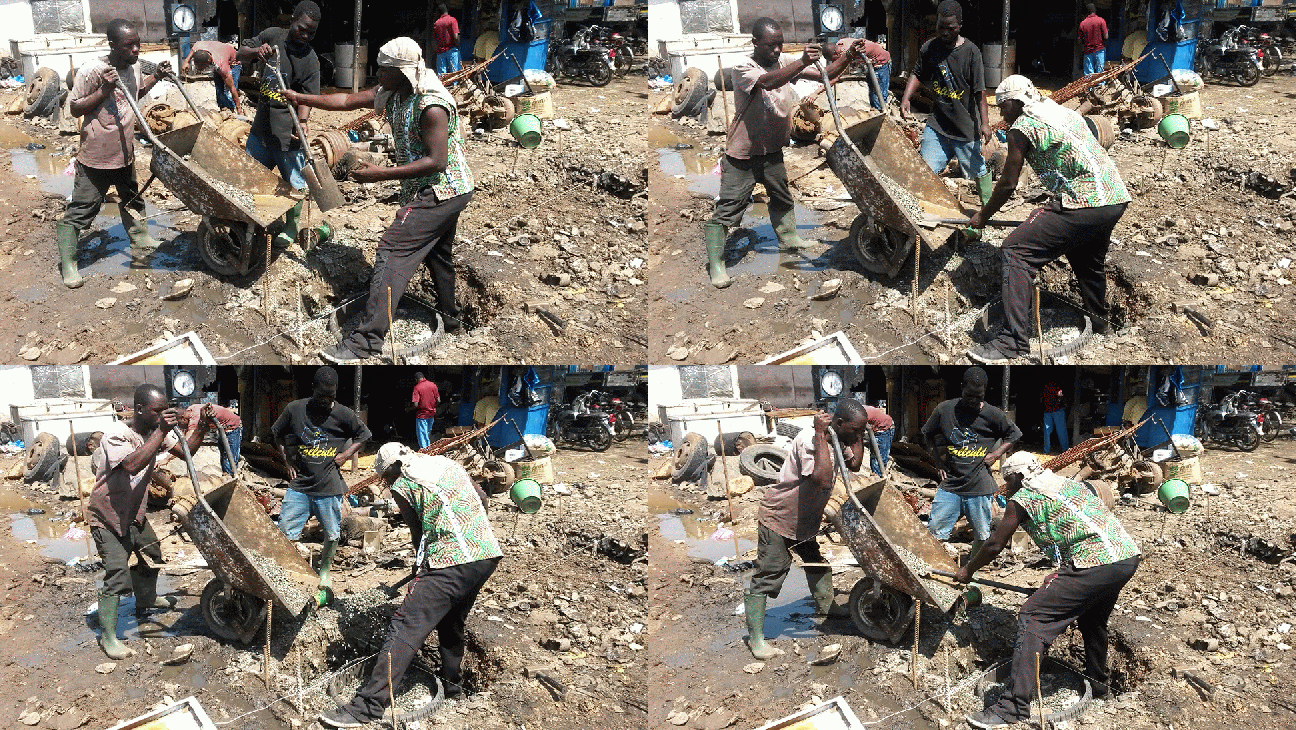
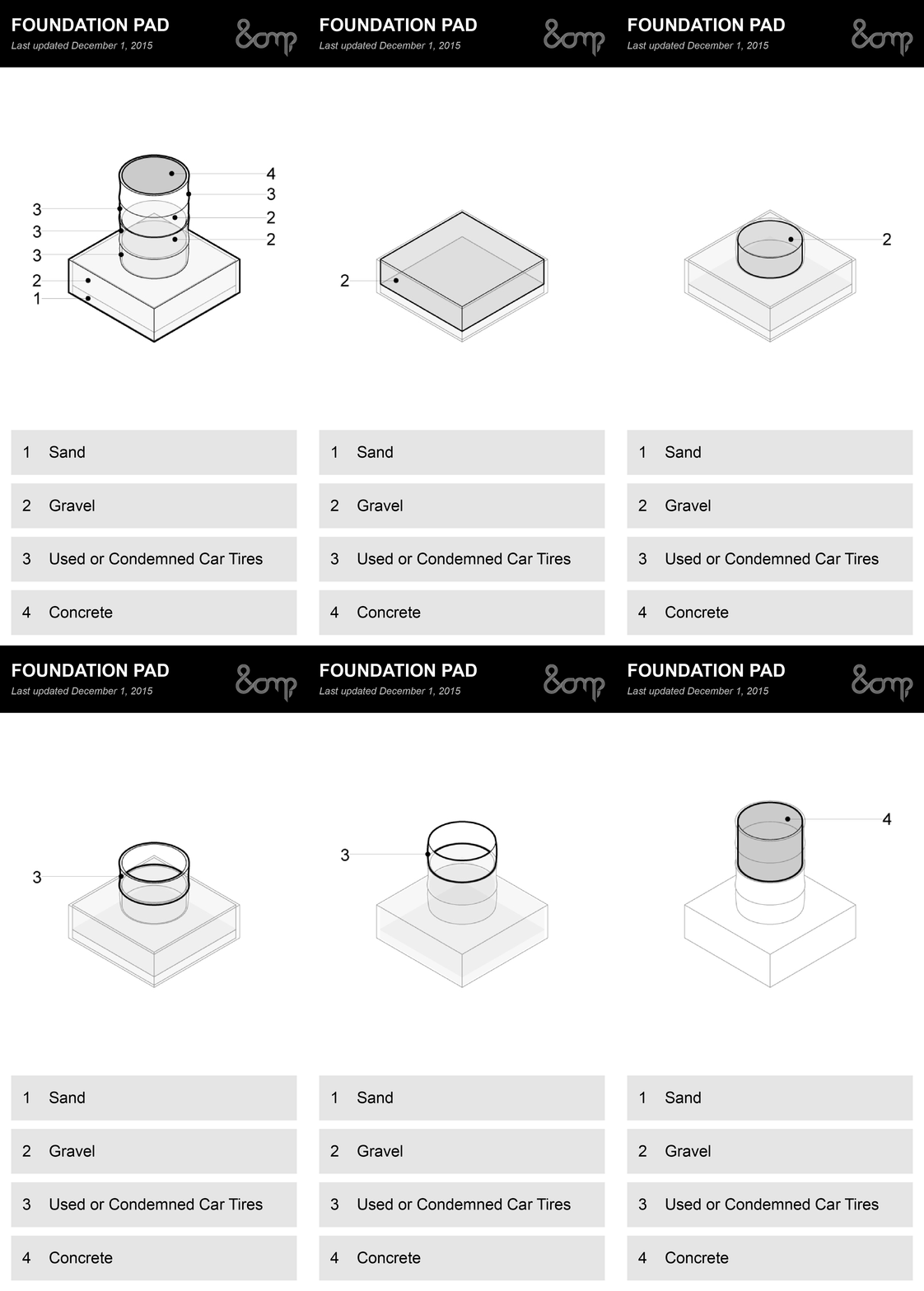
This was the first time we welded a complete full-length octet truss. Rudimentary structural tests after fabrication demonstrated good performance/strength but unacceptable dimensional tolerance (i.e. it was strong, but not precise).
Special thanks to Chamil, master maker at the Kokrobitey Institute makerspace, who suggested to develop a 2d truss jig (to hold 1in angle bar frame straight and square while welding) and square pyramid jig (to enable standardized production welding of square pyramids, as a component for full octet truss).




…
…

The African Innovation Foundation held a round-table discussion on the theme “A Path to Building Industrial Nation Skillsets in Africa” ahead of the 2014 Innovation Prize for Africa awards ceremony in Abuja, Nigeria. Thanks to invitation via Emeka Okafor, I participated on the first panel, where we explored the question “Africa’s Innovation Spaces: How do they unleash African ingenuity and are they enough?”
Other panelists were Karim SY (founder of Jokko Labs); McLean Sibanda (CEO of Innovation Hub in Pretoria); Kamau Gachigi (Founder Fablab University of Nairobi, Chairman and Coordinator of UoN Science and Technology Park); and Hauwa Yabani (Director of Abuja Technology Village).
Emeka Okafor — who in addition to AIF advisor is also curator of Maker Faire Africa, superblogger and director of TED Global in Arusha, Tanzania — mediated the panel and set up the conversation as follows:
“Unstructured interdisciplinary avenues ranging from hubs to fablabs promise to kickstart innovation across Africa in a multitude of ways. There is the further prospect of vastly more dynamic output from laboratories and inventors shops, adoption of non-traditional educational methods; quicker design for manufacturing techniques amongst other things.
“Expanding the focus of these ‘spaces’ from their existing concentration in software over to agri-industry, manufacturing, research, medical equipment etc. could provide an accelerated alternate paths into industrialization.
“Leading practitioners at the IPA 2014 roundtable will examine the existing landscape and formulate potential paths and in doing so provide a foretaste of what to expect in the near future.”
@emeka_okafor introducing panel. how do we make more things in Africa continent & be globally competitive? #IPA2014 pic.twitter.com/ZQ78ijAYUR
— Yaw DK Osseo-Asare (@dkoa) May 5, 2014
interesting question from @emeka_okafor “What should be the relationship btw universities & makerspaces?” #IPA2014
— Yaw DK Osseo-Asare (@dkoa) May 5, 2014
final question #IPA2014 panel 1: IMHO: right model, but not enough. need to link to resources, extractive industry pic.twitter.com/ixxAx0FIFy — Yaw DK Osseo-Asare (@dkoa) May 5, 2014
how @dkoa uses interclass #innovation to connect #AfricasYouth, build new cities and solve problems like ewaste? #IPA2014
— IPA Prize (@IPAprize) May 5, 2014
Left Abuja inspired by the incredible innovations that the other panelists and IPA finalists are driving across the continent, and appreciative of the opportunity to present AMP — a design experiment in interclass innovation that is both related to but distinct from typical “makerspace” projects, in that the tools and technologies we are co-developing are tailored specifically for the Agbogbloshie e-waste ecosystem. Our work to build e-learning content and micro-factories that can assist youth with remaking 3E-materials (Electrical and Electronic Equipment) is an effort to transcend the narrative of “e-waste” not as an end in itself, but as a vehicle to amplify at the grassroots indigenous innovation linked to youth-led entrepreneurship.
While I believe that universities have a role to play in nurturing maker culture, I see makerspaces as something separate, if not symbiotic. At the same time, we need to move beyond the idea that maker tech means making little Arduino-powered gadgets only. To truly innovate, African makerspaces need not only to 3D-print, solder and code, but also to sequence, grow, etch, mill, cast and forge.
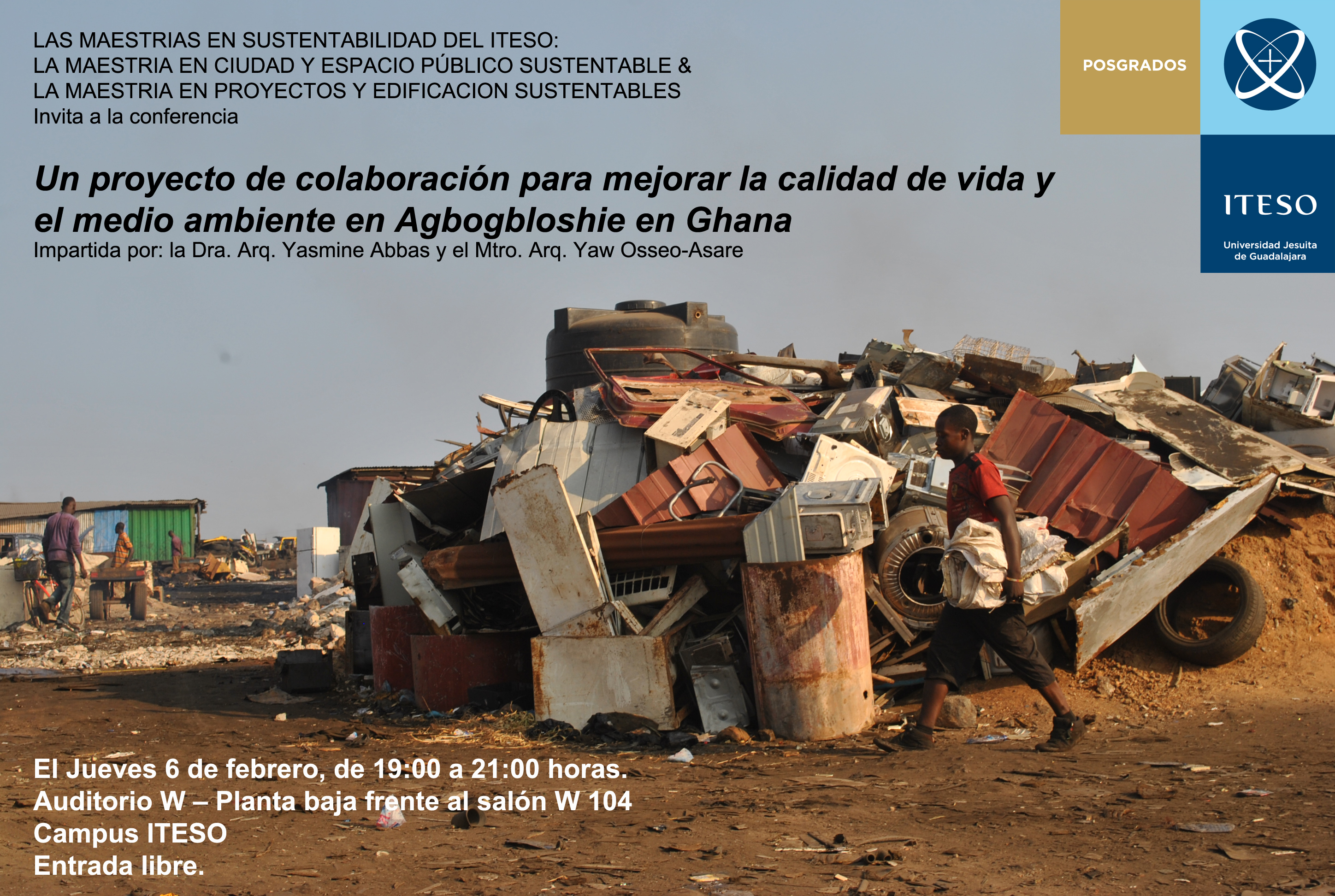
Thanks to the School of Architecture at the ITESO for the opportunity to present AMP to the Masters in City and Sustainable Public Space and Masters in Sustainable Construction programs in Guadalajara, Mexico. Great questions and discussion. Apparently 60% of Mexico’s economy is also “informal sector”…a lot to be done & also possibilities for future collaboration across the “global South”. Conference report “Waste as an opportunity: Agbogbloshie” by Adriana López-Acosta is online (in Spanish).
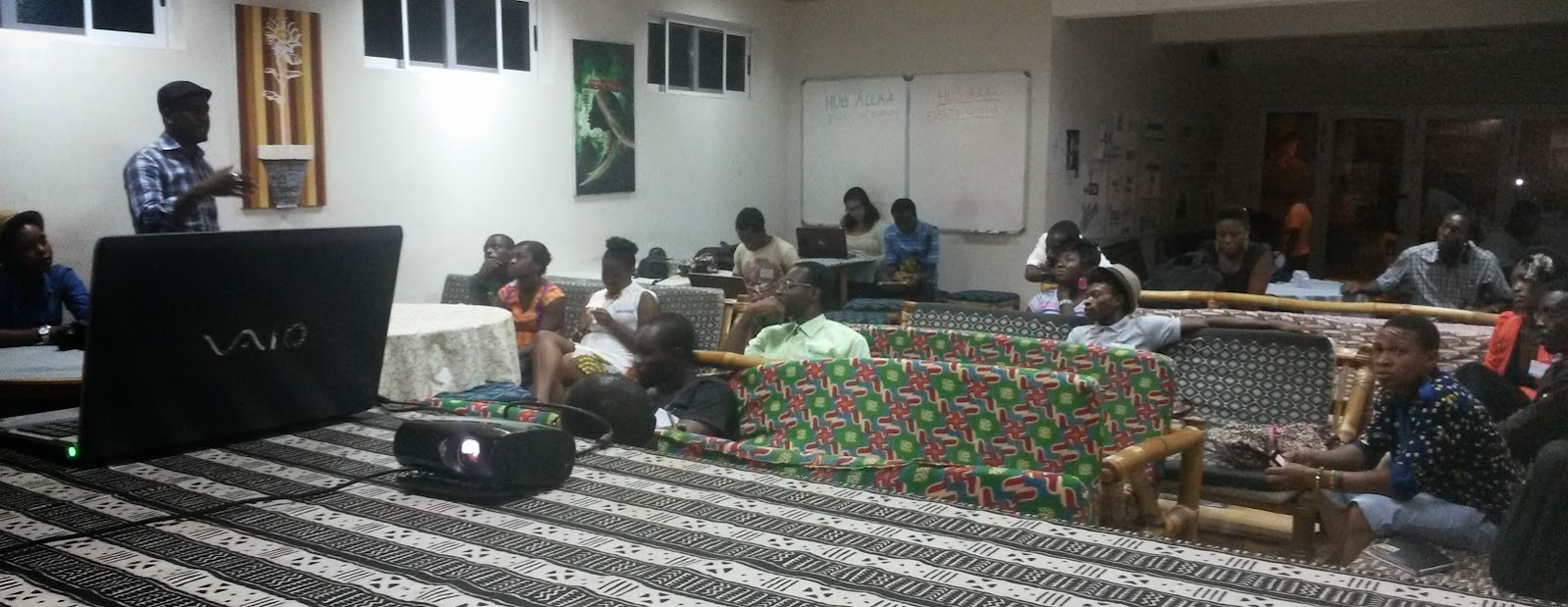
Had a lot of fun at Hub Accra this weekend, sharing work, feedback and inspiration with the creative crowd as part of world-wide Behance Portfolio Reviews (better pics here). The event was organized by Hassan Salih — the force behind the Accratopia project — and previewed his new venture MESH. Gave a quick intro to AMP, made this anigif and started recruiting awesome people who like to make things to get involved with building the Agbogbloshie Makerspace Platform.


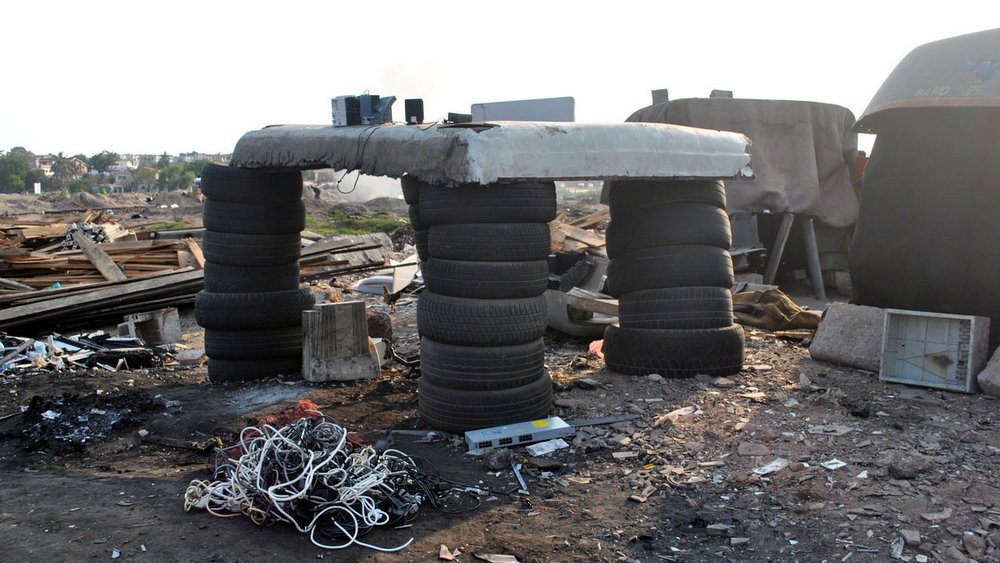

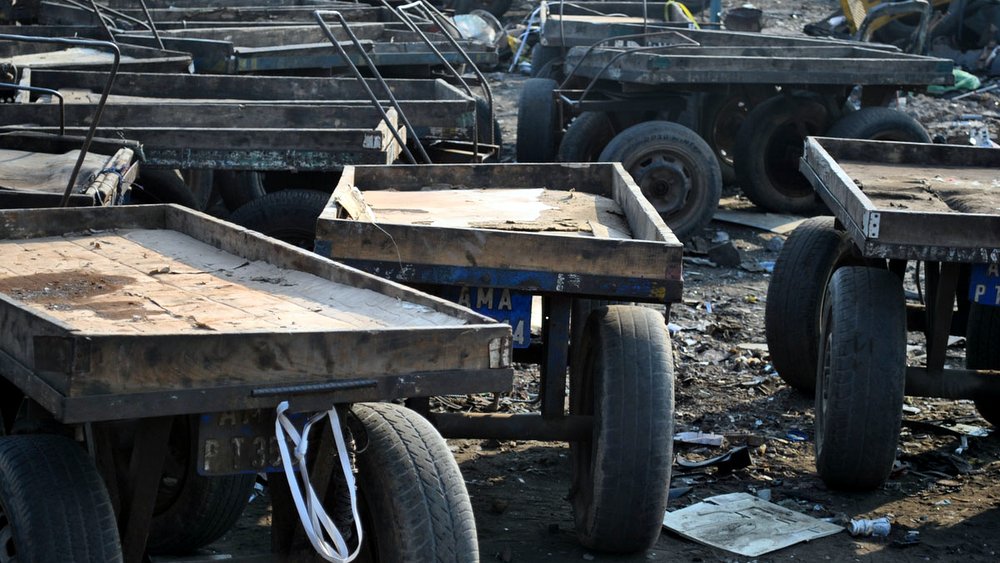

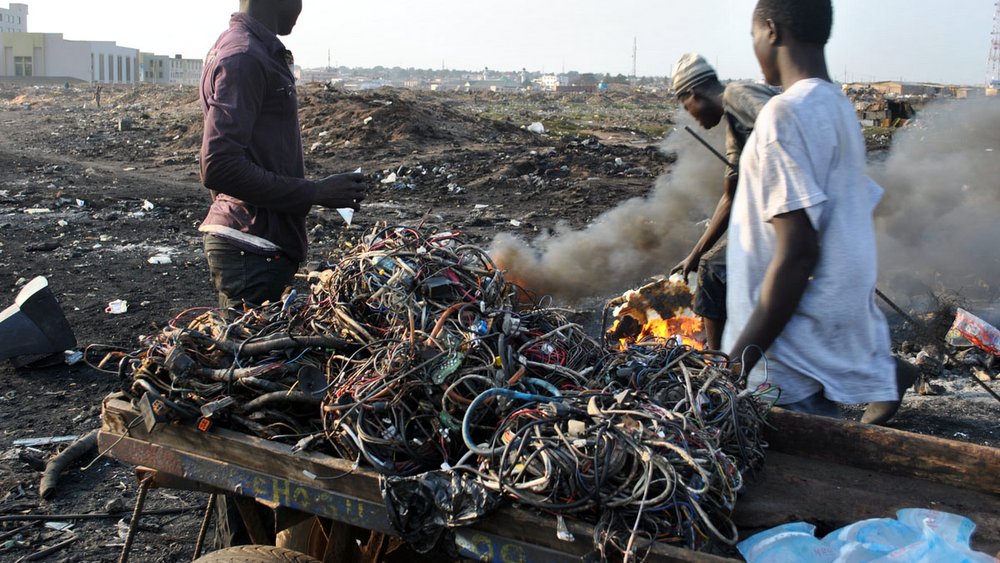





 AMP
AMP 